
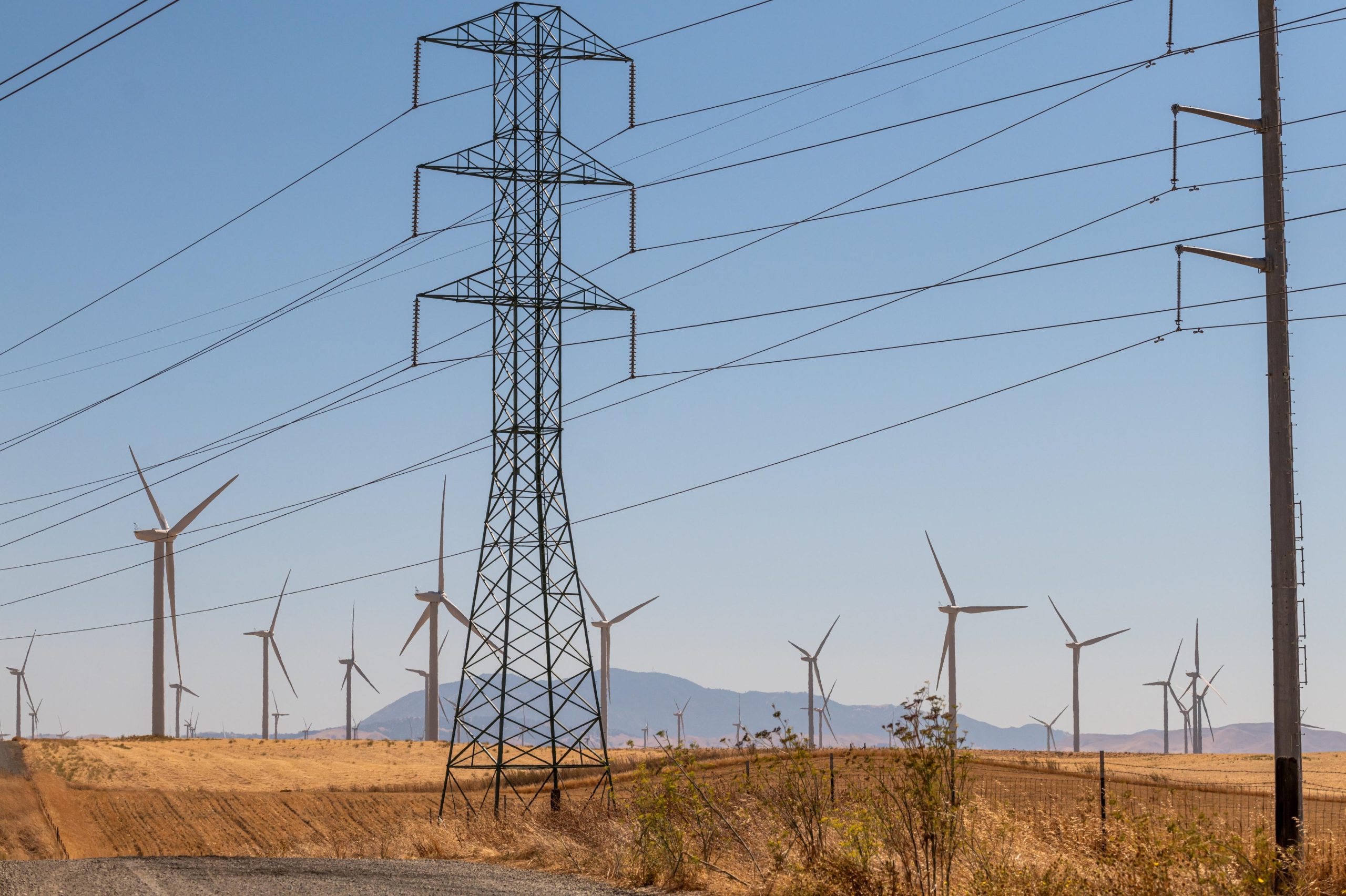
Kansas, a state long defined by its relentless winds, is poised to become a major player in the nation’s energy future. While historically known for winds that could drive farmers to distraction and send trampolines soaring, these same powerful gusts are now fueling a significant portion of the state’s electricity generation. With thousands of wind turbines dotting its vast plains, Kansas generates over half of its energy from this renewable resource, and lawmakers are now exploring ways to share this abundant “windy riches” with the rest of the country.
The challenge, however, lies in the complex and often frustrating process of transmitting power across state lines. Building the necessary high-voltage transmission lines is a significant hurdle, involving a labyrinth of regulations, legal battles, and bureaucratic red tape. One notable example is the proposed Grain Belt Express, an ambitious 800-mile project designed to carry clean energy from Kansas through Missouri, Illinois, and Indiana. Despite the potential for lower energy bills for consumers and a boost to the renewable energy sector, this project, like many of its kind, has faced considerable opposition and delays.
A Bipartisan Push for Lower Bills
Recognizing the potential benefits of harnessing more wind power and facilitating its distribution, Congress is now considering a bipartisan initiative aimed at streamlining the development of transmission infrastructure. The core of this plan revolves around addressing the “onerous, litigious, and bureaucratic slog” that has historically hindered such projects. By creating a more predictable and efficient regulatory environment, lawmakers hope to unlock the economic and environmental advantages of a more interconnected and renewable energy grid. This could translate directly into lower electricity bills for households and businesses across affected regions, as the cost of generating power from abundant wind resources is often lower than traditional fossil fuels.
The Road Ahead: Challenges and Opportunities
While the intention behind the congressional plan is commendable, the path to its successful implementation is not without its obstacles. The inherent complexities of interstate energy transmission involve balancing the interests of multiple states, utility companies, and landowners. Issues such as eminent domain, environmental impact assessments, and cost allocation will undoubtedly require careful negotiation and compromise. However, the bipartisan nature of the current proposal suggests a growing consensus on the importance of modernizing the grid and embracing renewable energy sources.
The success of this initiative could mark a significant turning point for the nation’s energy landscape. It offers the promise of not only reducing energy costs for consumers but also accelerating the transition to a cleaner, more sustainable energy future. As the roaring winds of Kansas continue to blow, the possibility of sharing that power more broadly could soon become a reality, benefiting millions and reshaping how America powers itself.
Based on materials: Vox



