
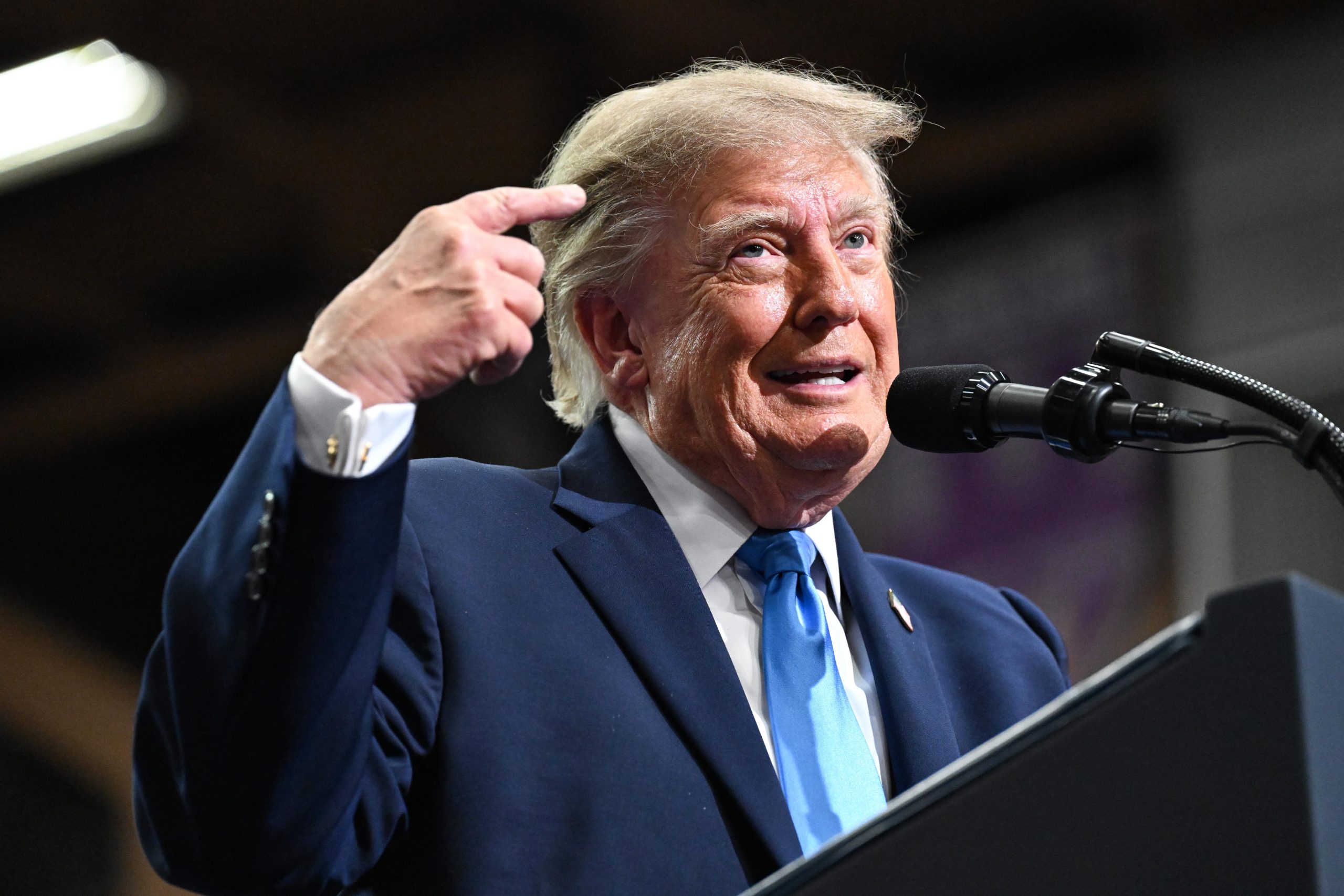
President Donald Trump has unveiled a proposal to send $90 checks to over 20 million American seniors, a move critics are decrying as a thinly veiled attempt to influence upcoming midterm elections. The plan, which taps into the Medicare Improvement Fund, has ignited debate about the intersection of political campaigning and public funds, particularly as Trump faces challenging electoral headwinds.
A Strategic Cash Infusion
The announcement, made over the weekend, positions the payments as a measure to “substantially LOWER costs for our Seniors,” according to a statement from the President. However, reports indicate that the funds earmarked for this initiative were already allocated to other existing programs. This redirection of resources has raised questions about the long-term implications for these other initiatives and the motivations behind the timing of the payments, which are scheduled to be disbursed this month. The move comes as President Trump’s party braces for what could be a significant electoral setback in the upcoming midterms, with polling suggesting a potential shift in power.
Examining the Political Calculus
The timing of this financial outreach is particularly striking. With the midterm elections looming and the President’s party showing signs of vulnerability in key races, this initiative appears to be a calculated effort to shore up support among a crucial demographic. Seniors, a significant voting bloc, are often perceived as more conservative and are a key target for any political campaign seeking to maintain or gain power. By offering a tangible, albeit modest, financial benefit, the Trump administration is seemingly attempting to appeal directly to the concerns and financial realities of older Americans. This tactic, while not entirely unprecedented in political history, is drawing sharp scrutiny given the current political climate and the substantial sums involved.
Broader Implications and Public Scrutiny
Beyond the immediate electoral implications, the plan raises broader questions about the responsible use of public funds and the ethical boundaries of political campaigning. Critics argue that using government programs, even those intended for seniors, as a tool for political gain undermines public trust and could set a problematic precedent. The Medicare Improvement Fund, designed to support various healthcare initiatives for seniors, is now being repurposed in a manner that could be interpreted as a direct bid for votes. As the midterms approach, this development is likely to remain a focal point of political discourse, with voters and analysts alike scrutinizing the administration’s motivations and the potential consequences of such a strategy. The long-term impact on the Medicare program and the political landscape will undoubtedly be a subject of ongoing discussion and analysis.
Based on materials: Vox



