
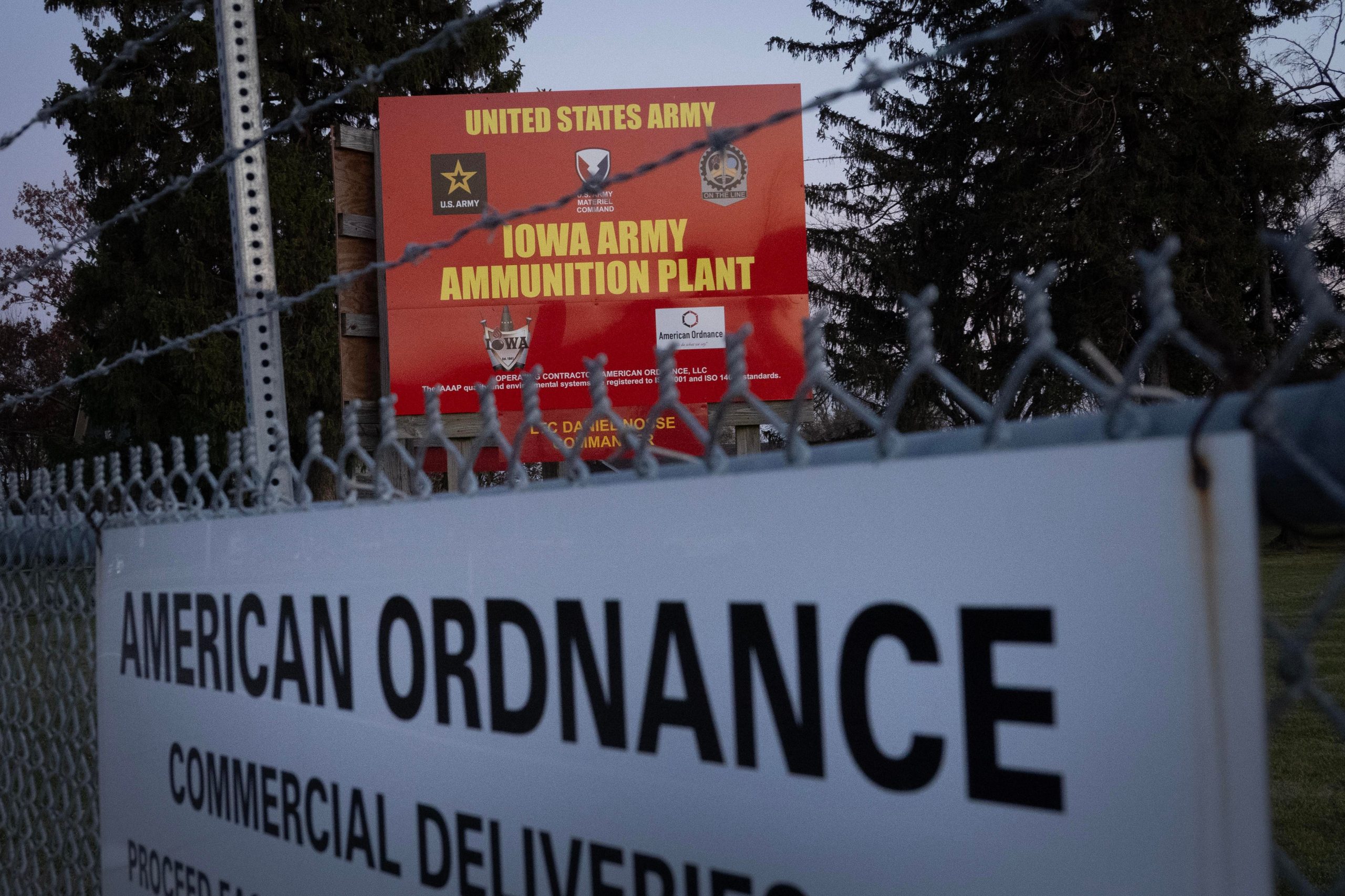
Middletown, Iowa – Residents of Iowa are bracing for a potentially hazardous event as the Pentagon plans to detonate approximately five tons of lead azide, a highly unstable explosive, at the Iowa Army Ammunition Plant. The controlled explosion, scheduled for the morning before Thanksgiving, aims to dispose of the hazardous material. However, concerns are mounting over the release of a toxic plume of lead dust into the atmosphere.
The Army asserts that the detonation is a necessary safety measure. Lead azide is known for its volatility and, according to military officials, poses a risk of uncontrolled detonation if not disposed of promptly. Declining temperatures in Iowa are reportedly exacerbating this risk, making an accidental explosion more probable if the material is not handled soon. This urgent need for disposal propelled the Army forward after a brief legal challenge.
Legal Hurdles Cleared for Hazardous Disposal
The planned detonation faced a temporary setback when a lower court issued a halt. However, a federal circuit court swiftly intervened, clearing the path for the Army to proceed with its disposal operation. This legal resolution underscores the tension between environmental and public health concerns and the military’s operational and safety imperatives. The rapid judicial review highlights the perceived urgency by the Army to neutralize the volatile explosive before a potential accidental detonation.
Environmental and Health Concerns Take Center Stage
The prospect of a toxic lead dust plume blanketing the area has ignited significant public outcry and environmental scrutiny. Lead is a potent neurotoxin, with well-documented adverse effects on human health, particularly in children, impacting cognitive development and other bodily functions. While the Army maintains that the detonation will be conducted under controlled conditions and with measures to mitigate environmental impact, critics question the adequacy of these safeguards given the scale of the explosive and the potential for widespread dispersion of lead particles.
Environmental advocates and local residents are calling for greater transparency and more robust environmental impact assessments. They argue that the long-term health and ecological consequences of releasing lead into the environment should be thoroughly evaluated, even in the context of military safety protocols. The timing of the detonation, just before a major holiday when families gather, amplifies these anxieties.
Balancing Military Needs with Community Safety
This incident in Iowa raises broader questions about how military operations, particularly those involving hazardous materials, are balanced with the well-being of civilian communities. The Army’s commitment to safety is undeniable, but the environmental implications of such disposal methods warrant continuous public discourse and rigorous oversight. As the detonation proceeds, the focus will undoubtedly shift to monitoring the environmental fallout and assessing the effectiveness of the mitigation strategies employed. The outcome will likely inform future decisions regarding the disposal of aging and unstable military ordnance across the country, emphasizing the critical intersection of national security and environmental stewardship.
The Army has stated that it will monitor air quality and take all necessary precautions. However, for the residents of Iowa, the pre-Thanksgiving detonation serves as a stark reminder of the complex challenges involved in managing hazardous military materials in proximity to populated areas.
SOURCE: Vox
Based on materials: Vox