
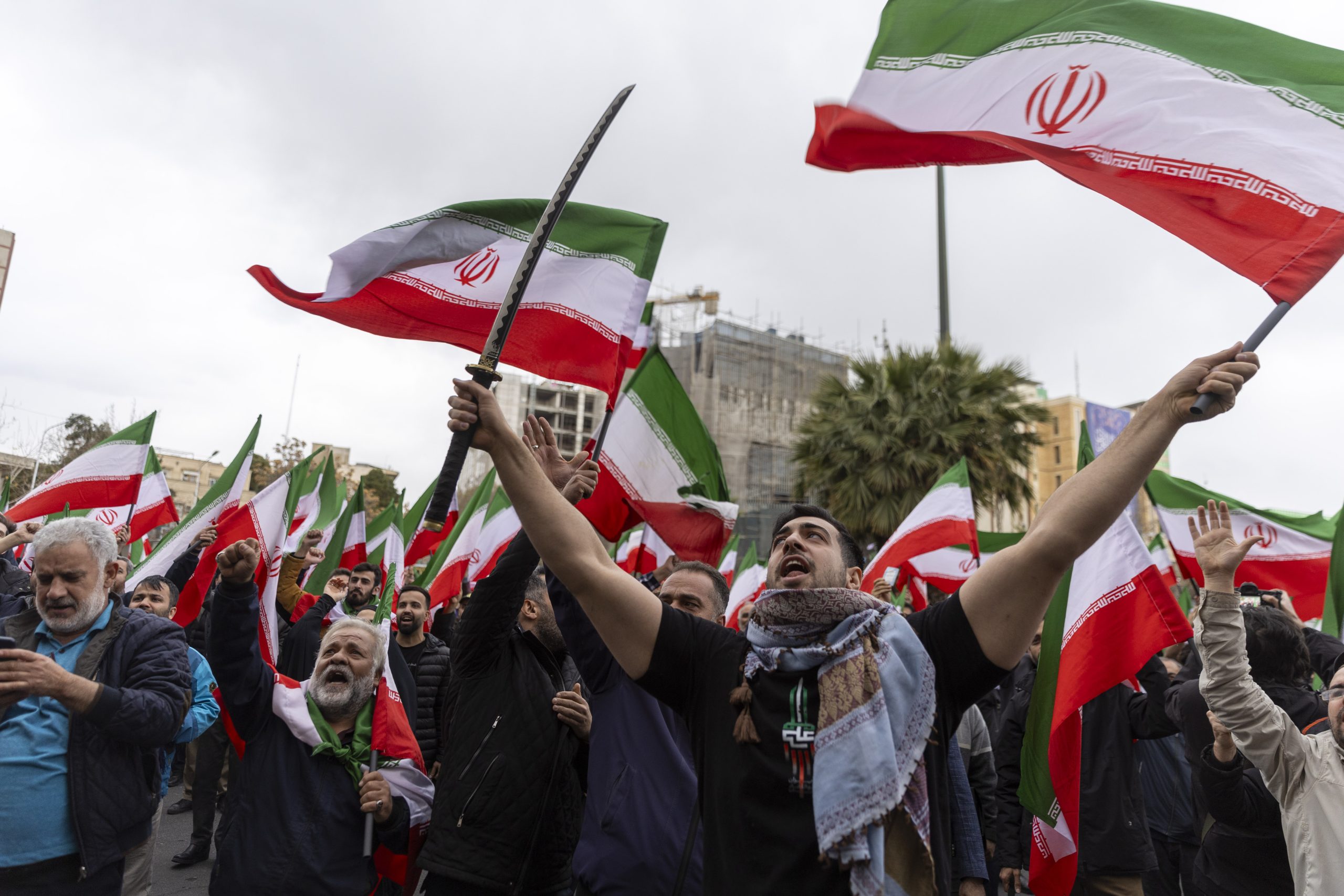
Is War with Iran Inevitable? Weighing the Costs and Risks
The rhetoric emanating from Washington regarding Iran has been thick with ambiguity lately, raising concerns about a potential escalation towards military conflict. While President Trump has declared a desire to dismantle Iran’s nuclear program and destabilize its government, the justifications for recent actions remain shrouded in secrecy and unsubstantiated claims. This creates a dangerous “fog of war,” where clear understanding and rational decision-making are compromised.
Justification Under Scrutiny: Imminent Threat or Political Maneuvering?
The Trump administration has asserted that joint US-Israeli strikes were necessary to thwart an immediate threat that posed a direct danger to American lives. However, concrete evidence supporting this claim has yet to be presented to the public. This lack of transparency fuels skepticism and prompts questions about the true motivations behind these actions. Is the administration genuinely acting to protect American interests, or is it pursuing a broader political agenda aimed at regime change in Iran? The absence of verifiable evidence makes it difficult to assess the legitimacy of the administration’s justification.
The Perilous Path of Escalation: Consequences of Military Action
A military confrontation with Iran carries profound risks and potentially devastating consequences for the region and the world. Beyond the immediate human cost, such a conflict could destabilize the Middle East, ignite proxy wars, and disrupt global energy supplies. Furthermore, it could embolden extremist groups and undermine international efforts to address other pressing global challenges. The long-term ramifications of a war with Iran are simply too significant to ignore. Careful consideration of all possible outcomes is paramount before any further military action is taken.
Diplomacy as the Preferred Alternative: De-escalation and Dialogue
While the situation remains tense, diplomatic efforts should be prioritized to de-escalate tensions and prevent further escalation. Engaging in constructive dialogue with Iran, alongside international partners, could pave the way for a negotiated resolution that addresses concerns about Iran’s nuclear program and regional activities. Diplomacy may not offer a quick fix, but it represents the most viable path towards a peaceful and sustainable solution. The alternative – a full-blown war – is simply too costly and unpredictable to contemplate.
In conclusion, the current trajectory of US-Iran relations is deeply concerning. The lack of transparency surrounding the administration’s actions and the potential consequences of military conflict demand a more cautious and diplomatic approach. The world must urge all parties involved to prioritize de-escalation, dialogue, and a commitment to peaceful resolution. The stakes are simply too high to gamble with war.
Based on materials: Vox



