
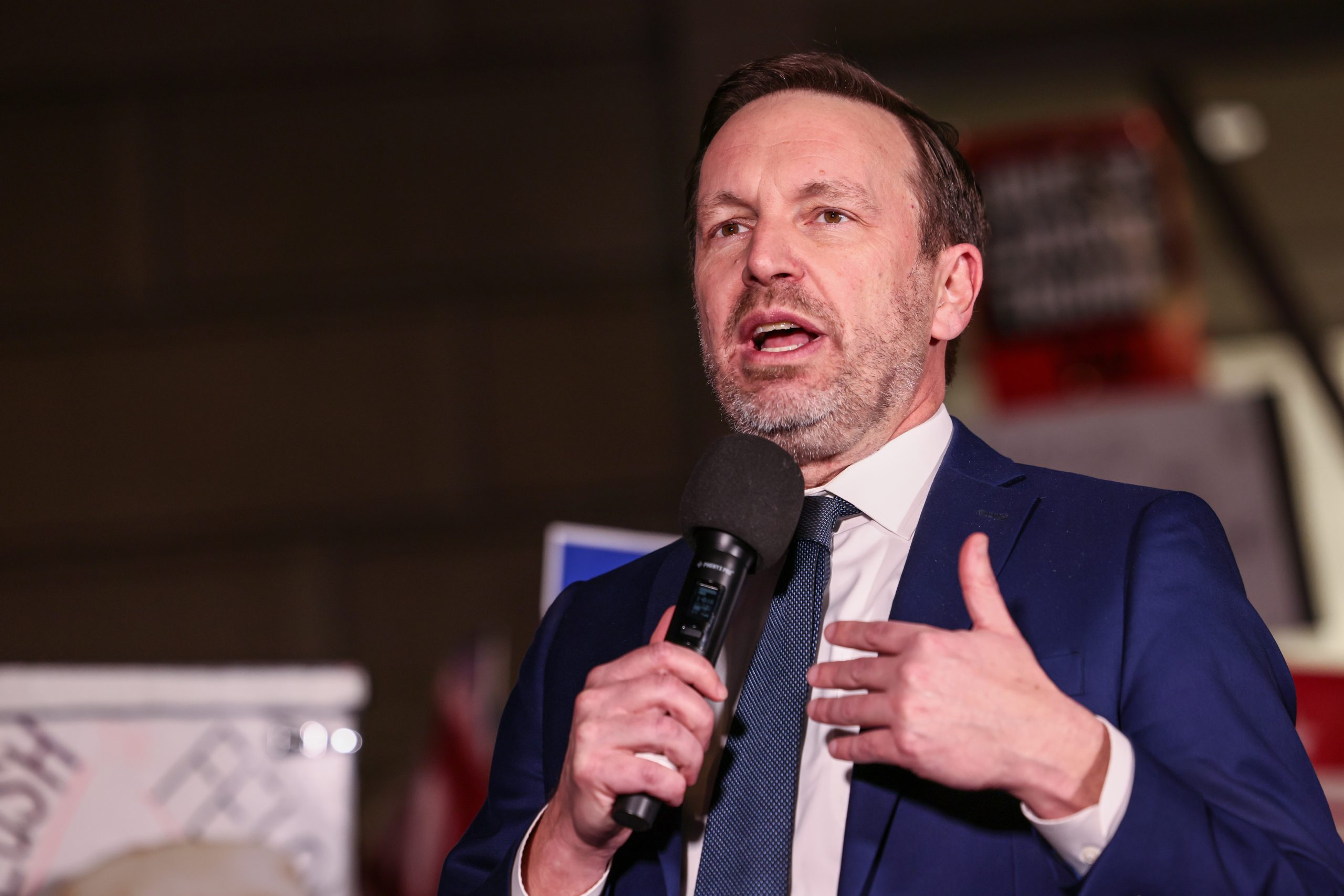
Murphy Takes Aim at Trump’s “Pay-to-Play” Politics
Senator Chris Murphy (D-CT) is emerging as a leading voice challenging what he describes as the blatant corruption of the Trump administration. While previous administrations often sought to project an image of ethical governance, Murphy argues that the Trump White House has openly embraced a “transactional relationship” with corporations, Silicon Valley, and foreign governments, effectively putting policy decisions up for sale.
A Focus on Accountability
Murphy’s anti-corruption stance has become a central theme in his political messaging and policy proposals since the 2024 election. He recently participated in a forum hosted by the American Economic Liberties Project, a think tank dedicated to combating corporate consolidation and holding powerful businesses accountable. The forum served as a platform to discuss the pervasiveness of “pay-to-play” politics and potential solutions. Murphy emphasized the need for greater transparency and stricter regulations to prevent wealthy interests from unduly influencing government policy.
Challenging the Status Quo
The senator’s critique highlights a growing concern among some observers about the potential for conflicts of interest and undue influence in the Trump administration. Critics point to instances where policies appeared to benefit specific companies or industries that had close ties to the President or his administration officials. Murphy argues that this erodes public trust in government and undermines the fairness of the political system. He advocates for reforms such as campaign finance reform and stronger ethics rules for government officials.
Seeking Systemic Change
Murphy’s efforts to combat corruption go beyond simply criticizing the Trump administration. He is actively involved in crafting legislation aimed at addressing systemic issues that contribute to the problem. This includes proposals to limit corporate lobbying, increase transparency in political spending, and strengthen whistleblower protections. By focusing on systemic change, Murphy hopes to create a more level playing field and ensure that government decisions are made in the public interest, rather than the interests of a select few.
In a political landscape often dominated by partisan gridlock, Senator Murphy’s focus on anti-corruption offers a potential area for bipartisan cooperation. While disagreements may exist on the specifics of policy solutions, the goal of ensuring ethical governance and preventing undue influence in government is something that resonates across the political spectrum. Whether Murphy’s efforts will translate into meaningful legislative action remains to be seen, but his commitment to challenging the status quo has positioned him as a key voice in the debate over government accountability.
Based on materials: Vox



