
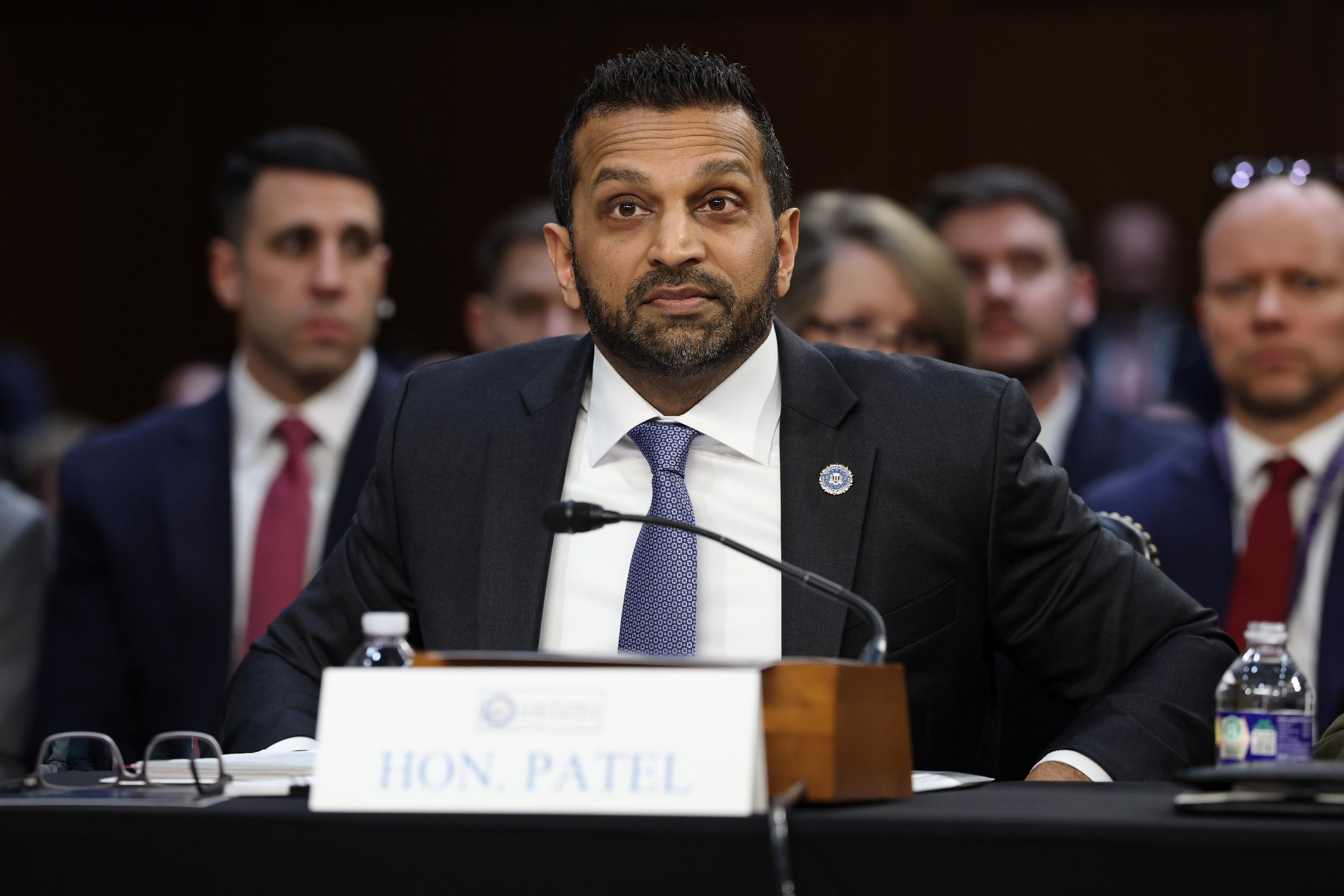
FBI Probes Reporter After Damning Story on Director Patel
The FBI is reportedly investigating journalist Sarah Fitzpatrick following the publication of a critical exposé on FBI Director Kash Patel in
The Atlantic
. The story, which paints a picture of Patel as paranoid and unfit for his leadership role, has triggered a federal criminal investigation focusing on Fitzpatrick, raising concerns about potential overreach and the protection of journalistic freedom.
The Story That Sparked the Investigation
Fitzpatrick’s article, published last month, relies on insights from over two dozen sources, alleging that Patel is frequently drunk and generally ill-equipped to handle the responsibilities of FBI Director. However, the article primarily focuses on Patel’s personal conduct within the role rather than delving into classified information or national security matters. It’s this focus on personal behavior that makes the FBI’s decision to launch a criminal investigation particularly noteworthy and, to many, alarming.
Questions of Journalistic Freedom
The investigation immediately raises questions about the balance between national security, government transparency, and the freedom of the press. While the exact nature of the FBI’s inquiry remains unclear, the fact that it was launched following the publication of a critical story suggests a potential attempt to silence or intimidate journalists who are willing to scrutinize powerful figures. Legal experts are already weighing in, emphasizing the importance of protecting journalists’ ability to report on matters of public interest without fear of retribution. The investigation could set a chilling precedent if it’s perceived as a politically motivated attempt to punish unfavorable coverage.
Implications and Potential Outcomes
The investigation’s outcome could have significant implications for the relationship between the government and the press. A successful prosecution of Fitzpatrick would undoubtedly embolden government officials to pursue similar actions against journalists who publish critical stories. Conversely, a failure to find any wrongdoing on Fitzpatrick’s part would serve as a reaffirmation of the importance of protecting journalistic freedom, even when the reporting is unflattering to those in power. The case is likely to be closely watched by media organizations and civil liberties advocates, as it represents a crucial test of the principles of free speech and government accountability.
CONCLUSION:
The FBI’s investigation of Sarah Fitzpatrick highlights the ongoing tension between the government’s desire to control information and the public’s right to know. The case underscores the importance of a robust and independent press, capable of holding those in power accountable without fear of reprisal. As the investigation unfolds, it will be crucial to ensure that the principles of journalistic freedom are upheld and that the government does not use its power to stifle critical reporting.
Based on materials: Vox



