
Musk vs. OpenAI: Explosive Revelations from the Courtroom
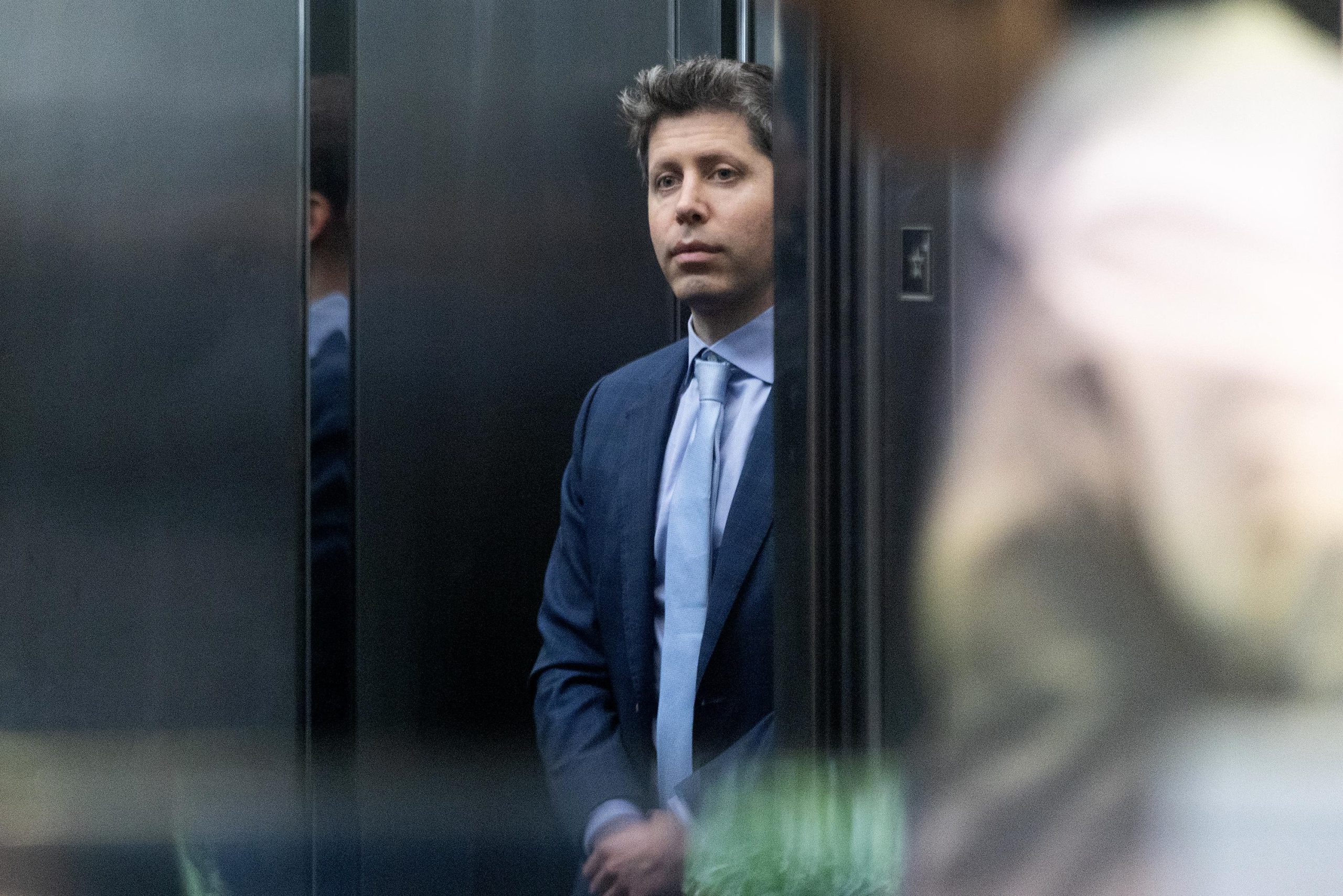
The tech world is buzzing as the legal battle between Elon Musk and OpenAI reaches its climax. Closing arguments concluded Thursday in Musk’s lawsuit, leaving a jury to decide whether OpenAI, led by CEO Sam Altman, betrayed its original mission. The lawsuit, fueled by a fractured friendship and billions of dollars, has unearthed a series of startling claims and accusations that paint a picture of ambition, betrayal, and a fundamental clash over the future of artificial intelligence.
From Philanthropy to Profit: The Core of the Dispute
At the heart of Musk’s lawsuit lies the allegation that OpenAI, initially conceived as a non-profit dedicated to developing AI for the benefit of humanity, has morphed into a profit-driven enterprise controlled by Altman and other executives. Musk’s legal team argues that this transformation violates the original agreement and constitutes a “theft of a charity.” They contend that Musk was induced to donate approximately $38 million to OpenAI under false pretenses, believing it would remain committed to open-source research and prioritize safety over financial gain.
Unhinged Evidence and Damning Accusations
The three-week trial has been anything but dull, with both sides presenting a barrage of evidence aimed at discrediting the other. Lawyers have painted Musk as a disgruntled former partner who regrets relinquishing control of OpenAI, while portraying Altman as a shrewd businessman who prioritized profit over the company’s founding principles. Specific accusations include OpenAI’s alleged suppression of research that could threaten its competitive advantage and its pursuit of exclusive licensing agreements that benefit Microsoft at the expense of the public good. The trial has exposed the raw emotions and conflicting visions driving the development of AI.
The Future of AI in the Balance
Beyond the personal drama and financial stakes, the Musk vs. OpenAI lawsuit raises profound questions about the ethical and societal implications of artificial intelligence. The case highlights the tension between open-source development and proprietary control, as well as the challenges of ensuring that AI is used for the benefit of humanity rather than for the enrichment of a select few. The jury’s decision could have far-reaching consequences for the future of AI research, innovation, and regulation. Whatever the outcome, the trial has already served as a stark reminder of the immense power and potential dangers of this transformative technology.
CONCLUSION:
The jury’s upcoming verdict in the Musk-OpenAI case promises to be a watershed moment for the AI industry. The trial has not only exposed the inner workings of a groundbreaking company but also ignited a crucial debate about the direction of AI development and the responsibilities of those who wield its power. As the world grapples with the rapid advancements in artificial intelligence, the lessons learned from this legal battle will undoubtedly shape the future of this revolutionary technology.
Based on materials: Vox



