
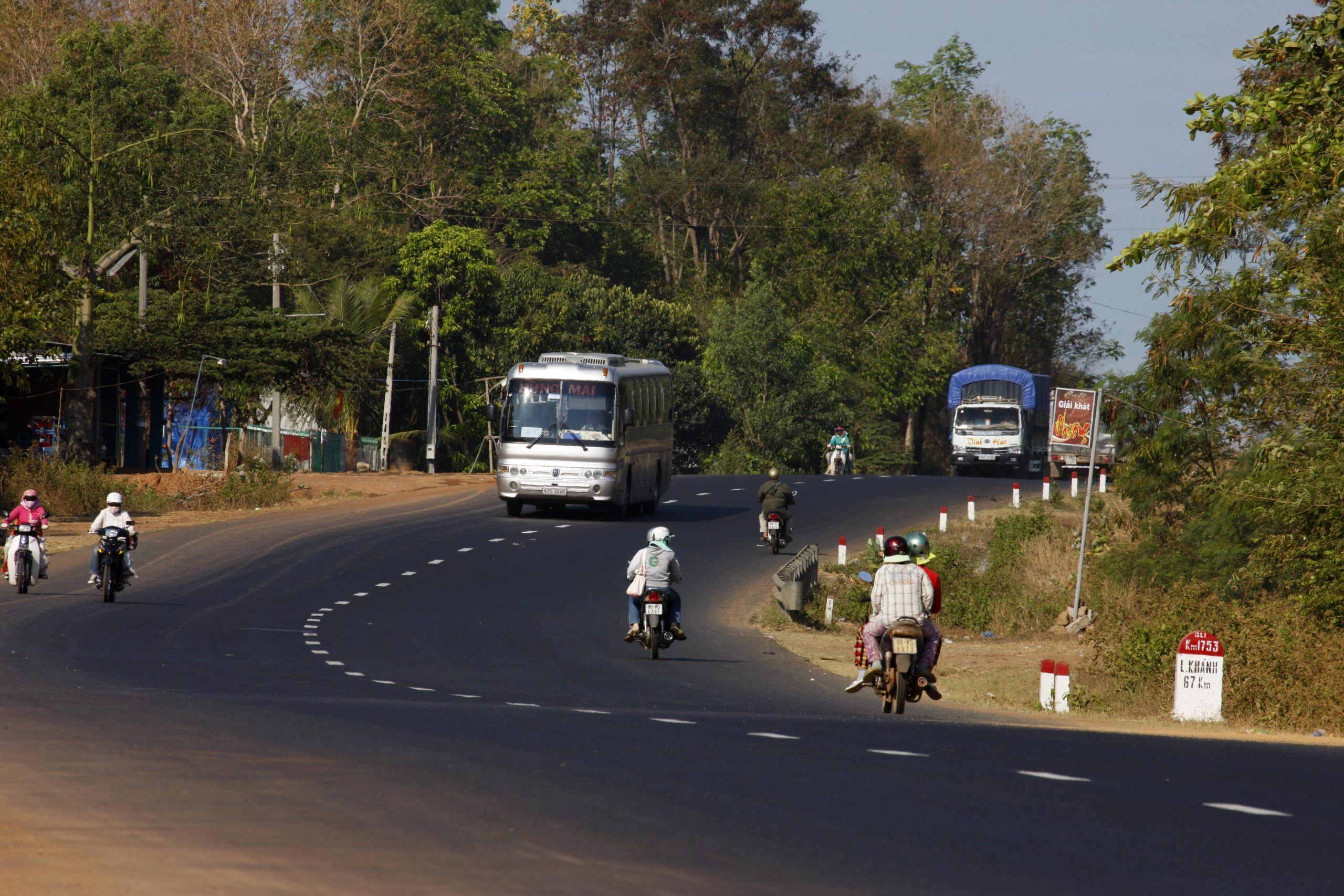
The Unseen Epidemic: Road Deaths Devastate Developing Nations
While global health has seen remarkable advancements in combating infectious diseases and extending lifespans, a silent killer continues to plague the modern world: the automobile. A staggering 1.19 million people are killed annually in road crashes, a figure comparable to the global death toll of tuberculosis. This crisis disproportionately affects low- and middle-income countries, highlighting a stark disparity in road safety.
A Modern Gift with a Deadly Cost
The automobile, a symbol of progress and personal freedom, has become a leading cause of death for individuals aged 5 to 29 worldwide. The World Health Organization (WHO) reports that road traffic injuries are a major public health concern, particularly in developing nations where infrastructure and safety regulations often lag behind. The statistics paint a grim picture: the risk of dying in a road crash is significantly higher in poorer countries than in wealthier ones. This isn’t merely a matter of individual negligence; it’s a systemic issue rooted in inadequate road design, lax enforcement of traffic laws, and a lack of access to safe vehicles.
Why Are Poor Countries Disproportionately Affected?
Several factors contribute to the higher rates of road fatalities in developing nations. These include:
*
Poor Infrastructure:
Many roads are poorly maintained, lack proper lighting, and lack safety features such as guardrails and pedestrian walkways.
*
Unsafe Vehicles:
Older, poorly maintained vehicles are more common in these countries, increasing the risk of mechanical failures and accidents.
*
Weak Enforcement of Traffic Laws:
Inconsistent enforcement of speed limits, drunk driving laws, and seatbelt regulations contributes to a culture of reckless driving.
*
Limited Access to Emergency Services:
Delays in medical assistance after a crash can significantly reduce the chances of survival.
A Call to Action: Prioritizing Road Safety
Addressing this global road safety crisis requires a multi-pronged approach. Governments must invest in improving road infrastructure, enforcing traffic laws, and promoting safer vehicle standards. International organizations and development agencies can play a crucial role in providing technical assistance and financial support to help developing countries implement effective road safety measures. Furthermore, public awareness campaigns are essential to educate drivers, pedestrians, and cyclists about road safety risks and responsible behavior.
Conclusion: A Global Responsibility
The high number of road fatalities, particularly in low- and middle-income countries, is a stark reminder that the benefits of modern technology come with a responsibility to mitigate its risks. By prioritizing road safety through infrastructure improvements, stricter regulations, and public education, we can significantly reduce the tragic toll of road crashes and create a safer world for everyone. The issue demands urgent attention and sustained commitment from governments, international organizations, and individuals alike.
Based on materials: Vox



