
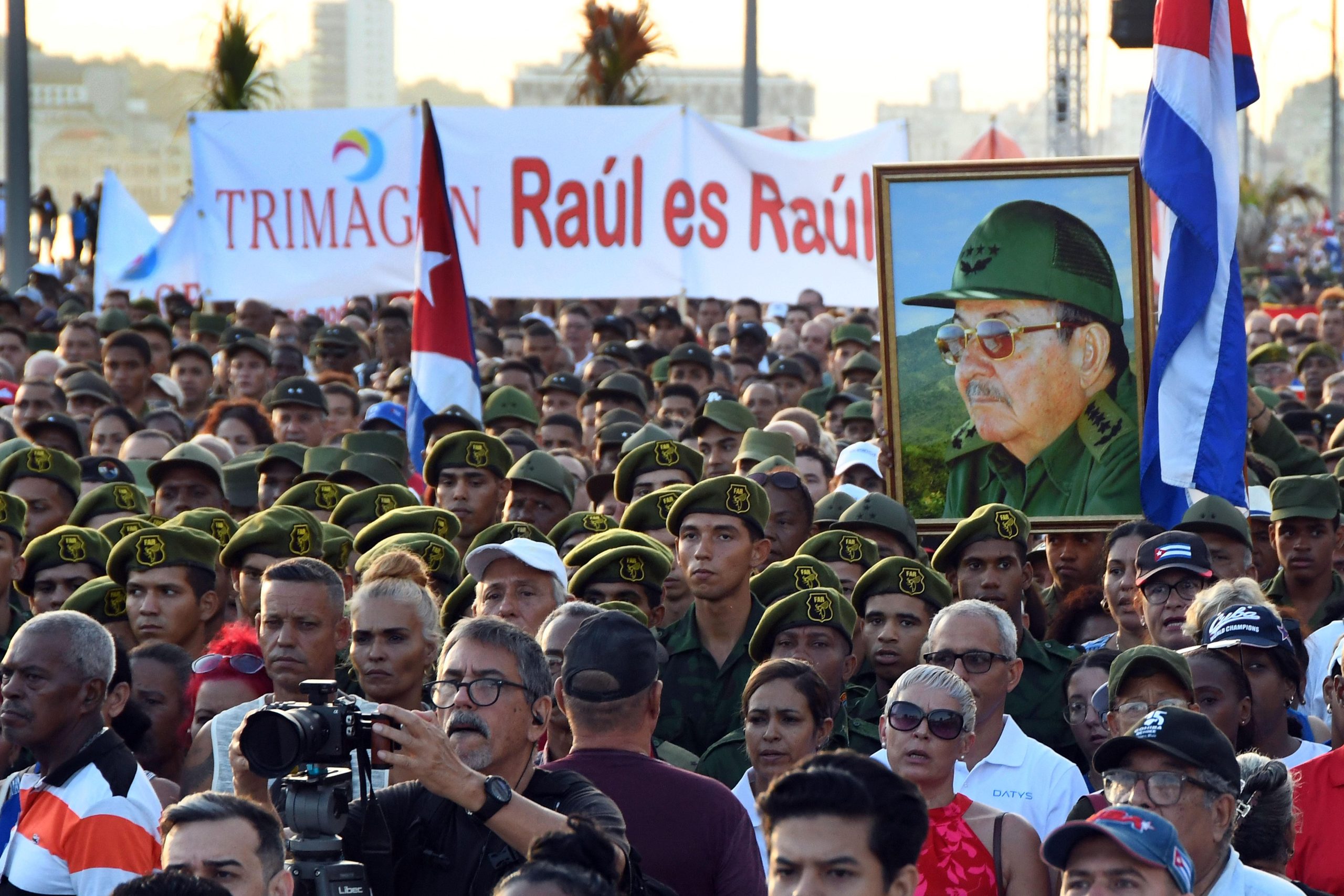
Cuba-US Tensions Flare: Castro Indictment & Embargo Pressure
A decades-long diplomatic chill between the United States and Cuba has deepened in recent weeks, marked by a provocative indictment of former Cuban President Raúl Castro and the tightening of economic pressures that are pushing the island nation to its limits. The U.S. government’s recent actions signal a potential shift towards a more assertive policy, but analysts question whether this approach will yield desired results or further destabilize the region.
The Castro Indictment: A Symbolic Blow?
The unsealed indictment against Raúl Castro, now 94, along with five other Cuban officials, accuses them of involvement in the 1996 downing of two civilian aircraft over Cuba. The incident resulted in the deaths of four individuals, three of whom were U.S. citizens. While the indictment is unlikely to lead to Castro’s extradition and prosecution, it serves as a potent symbol of the U.S.’s enduring condemnation of the Cuban government’s actions and its support for the victims’ families.
However, the timing and purpose of the indictment are raising eyebrows. Some observers argue that it is a largely symbolic gesture aimed at placating hardline anti-Castro factions within the U.S. and sending a message of resolve. Others worry that it could further inflame tensions and hinder any potential for future dialogue or reconciliation.
Economic Squeeze: A Nation Under Pressure
Beyond the legal arena, Cuba is grappling with a severe economic crisis exacerbated by U.S. sanctions. The U.S. embargo on Venezuelan oil shipments to Cuba has plunged the country into a crippling energy shortage, triggering widespread blackouts that disrupt daily life and essential services. In response, the Cuban government has resorted to drastic measures, including shortening the workweek for state employees and reducing school hours.
This economic hardship is fueling discontent and emigration, with many Cubans seeking better opportunities elsewhere. Critics of the U.S. policy argue that the embargo is counterproductive, inflicting undue suffering on the Cuban people while failing to achieve its stated goal of regime change. They advocate for a more nuanced approach that combines targeted sanctions against human rights abusers with engagement and humanitarian assistance.
A Path Forward: Between Confrontation and Cooperation
The current standoff presents a complex challenge for both nations. While the U.S. may see its actions as a necessary defense of its interests and values, Cuba views them as acts of aggression and interference. Finding a path forward will require a willingness to engage in dialogue, address mutual concerns, and explore opportunities for cooperation on issues such as migration, climate change, and public health. Whether both nations can overcome their deep-seated mistrust and find a way to coexist peacefully remains to be seen.
Based on materials: Vox



