
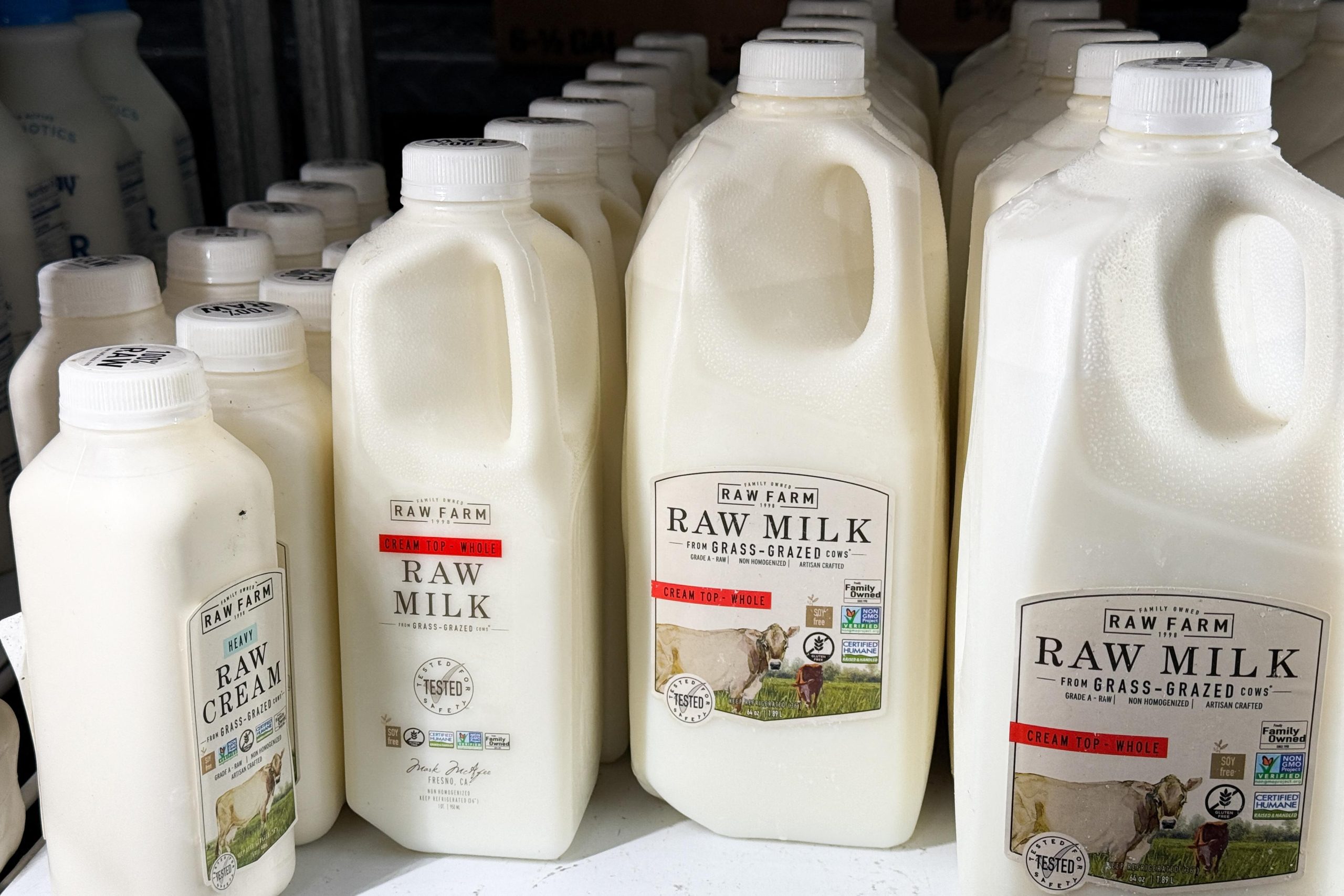
The debate over raw milk, a controversy simmering for nearly a century, is once again bubbling to the surface. While proponents tout its purported health benefits, public health officials and scientific research consistently warn of the significant risks associated with consuming unpasteurized dairy.
A Century of Controversy: Pasteurization’s Role
Almost a century ago, pasteurization became a standard practice, mandated by public health agencies to safeguard consumers. This process, which involves heating milk to 161°F (72°C) for 15 seconds followed by rapid cooling, effectively eradicates harmful bacteria, viruses, and parasites. Numerous studies have confirmed pasteurization’s efficacy in mitigating the risk of foodborne illnesses such as listeria, E. coli, salmonella, tuberculosis, and even bird flu – diseases that can prove deadly, especially for vulnerable populations like children, the elderly, and those with compromised immune systems.
Despite the overwhelming scientific consensus supporting pasteurization, a vocal contingent of raw milk advocates persists. They argue that pasteurization diminishes the milk’s nutritional value by destroying beneficial bacteria and enzymes. However, these claims lack robust scientific backing.
The Allure of Raw Milk: Benefits vs. Risks
The central argument of raw milk proponents revolves around its perceived superior nutritional profile and probiotic qualities. They believe that the natural enzymes and bacteria present in raw milk contribute to improved digestion and overall health. However, leading health organizations, including the Food and Drug Administration (FDA) and the Centers for Disease Control and Prevention (CDC), firmly refute these claims. They maintain that the potential benefits of raw milk are far outweighed by the very real risk of contracting dangerous, and potentially fatal, infections.
Navigating the Debate: Informed Choices
The raw milk debate highlights the tension between personal choice and public health. While advocates champion the right to consume raw milk, regulators prioritize protecting the population from preventable illnesses. Consumers need to be aware of the facts. Pasteurization significantly reduces the risk of dangerous pathogens without demonstrably affecting the nutritional value of milk. Choosing pasteurized milk remains the safest option, especially for vulnerable individuals. The decision to consume raw milk should be based on a clear understanding of the documented risks, not on unsubstantiated claims of health benefits.
Ultimately, the raw milk debate is a complex one, with passionate arguments on both sides. However, when it comes to public health, erring on the side of caution, supported by scientific evidence, is paramount.
Based on materials: Vox



