
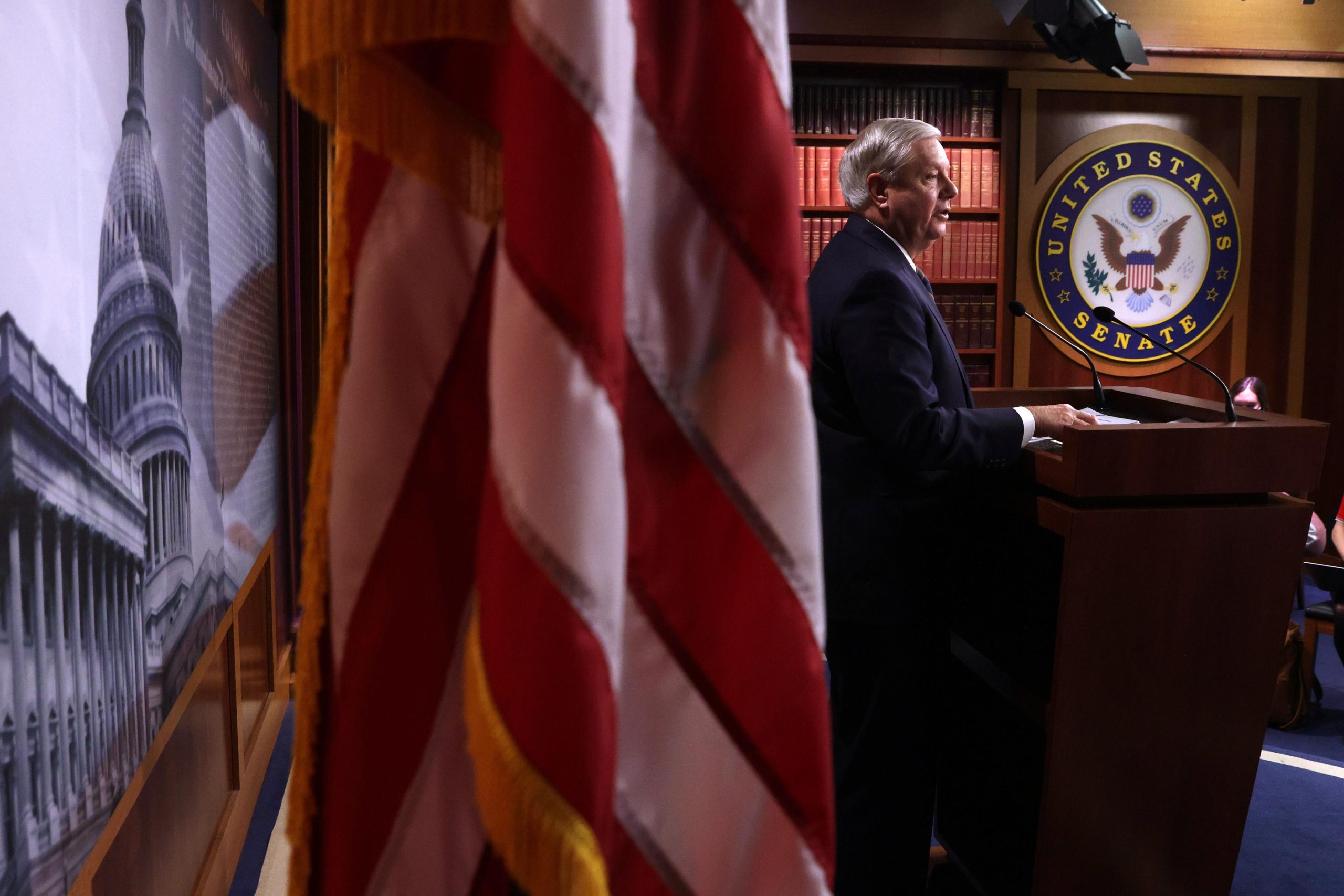
The halls of Congress are growing older, a trend that sparks debate about whether it brings invaluable wisdom or signals a disconnect from contemporary concerns. While the average age of lawmakers has steadily climbed, the reasons behind this demographic shift are complex, rooted in electoral dynamics, career trajectories, and the very nature of political service.
The Seniority Advantage and Electoral Fortunes
One of the primary drivers of an aging Congress is the phenomenon of incumbency advantage. Established politicians often possess name recognition, fundraising networks, and established voting records that make them formidable opponents for challengers. This allows many to serve for decades, accumulating seniority and the power that comes with it. Seniority in Congress translates to influence, particularly in committee leadership roles, where critical legislative decisions are shaped. This system, while rewarding experience, can also create a barrier for younger, newer voices seeking to enter the political arena.
Furthermore, the current electoral landscape often favors candidates with deep roots and established careers. Running for office is a demanding, often years-long endeavor. By the time many individuals reach Congress, they have already spent significant portions of their lives in public service, law, or other established professions, naturally leading to a higher average age. The perceived stability and experience that older candidates can project also resonate with voters, particularly in times of uncertainty.
A Shifting Landscape of Political Careers
The traditional pathway to political office has evolved. For many, Congress is not just a stepping stone but a lifelong career. The financial security and influence offered by a prolonged tenure can be a strong incentive to remain in office. This contrasts with previous eras where political careers might have been shorter or led to other public service roles. The increased polarization in politics may also contribute, as entrenched incumbents are more likely to win re-election within their party’s stronghold.
Moreover, the demands of modern campaigning and governance require significant personal and professional investment. Younger individuals, often still building their careers or raising families, may find the prospect of a congressional term less appealing or feasible compared to those with more established lives and fewer immediate personal obligations. This creates a self-perpetuating cycle where the existing demographics of Congress may inadvertently discourage younger candidates from entering the race.
The Debate: Wisdom vs. Inertia
The increasing age of Congress prompts crucial questions about representation and effectiveness. Proponents argue that experienced lawmakers bring a deep understanding of policy, historical context, and the intricacies of governance, which are invaluable for navigating complex issues. They point to the ability of seasoned legislators to forge bipartisan compromises and offer steady leadership.
However, critics express concern that an aging Congress may struggle to connect with the concerns of younger generations and adapt to rapidly evolving societal and technological changes. There are worries that a lack of generational diversity could lead to policies that are out of touch with the needs of a changing America, potentially hindering innovation and progress. As the demographic makeup of Congress continues to trend older, the debate over its impact on American governance is likely to remain a central theme in political discourse.
Based on materials: Vox



