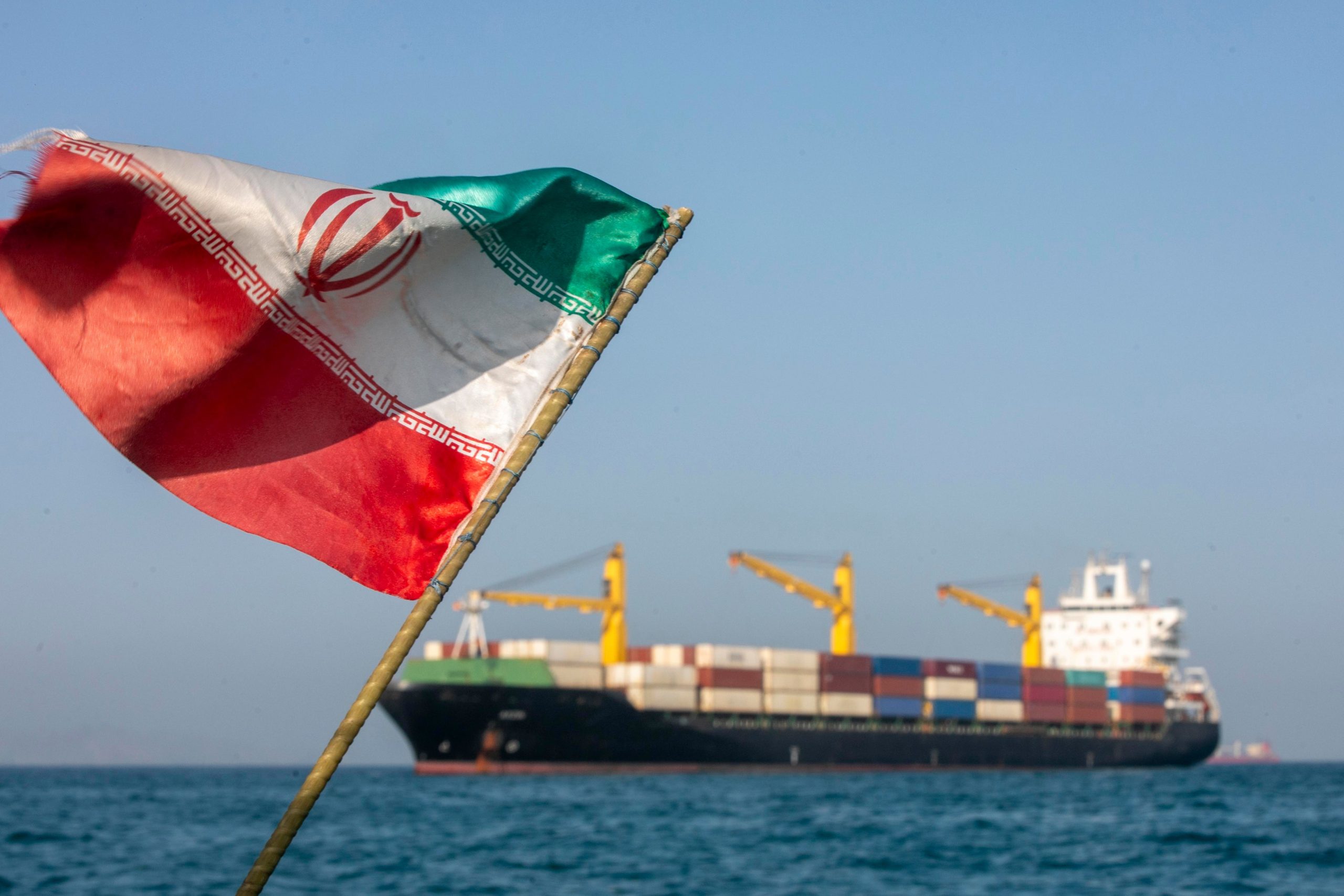
The strategic Strait of Hormuz, a vital artery for global oil trade, has become the focal point of escalating tensions between the United States and Iran. In a dramatic shift of policy, President Donald Trump has declared U.S. control over the waterway, coupled with an unprecedented demand for a significant toll on all cargo passing through. This move follows a recent breakdown in a fragile ceasefire and a series of retaliatory strikes, raising serious questions about the potential for renewed conflict.
Ceasefire Collapses Amidst Escalating Aggression
Just weeks after a mid-June ceasefire agreement was tentatively brokered between the U.S. and Iran, the fragile peace has shattered. Iran initiated a series of attacks on oil tankers navigating the crucial Strait of Hormuz, a move that prompted a swift and forceful response from the United States. In what was described as a significant escalation, U.S. forces launched strikes on over 300 targets within Iran. This military action was accompanied by the reimposition of stringent economic sanctions, aiming to cripple Iran’s economy. However, the situation did not de-escalate. Iran retaliated by resuming attacks on U.S. bases in the Persian Gulf, indicating a dangerous cycle of retribution.
U.S. Assertion of Control and Financial Demands
In the wake of this intensified exchange, President Trump announced a decisive U.S. takeover of naval operations in the Strait of Hormuz. More controversially, the U.S. administration is now demanding a 20 percent levy on the value of all cargo transiting the strait. This unprecedented financial demand signals a new and aggressive approach to controlling a waterway that handles a significant portion of the world’s oil supply. The reimposition of the U.S. naval blockade in the region further underscores the heightened state of alert and the administration’s commitment to asserting dominance.
Geopolitical Ramifications and Future Uncertainty
The implications of these developments are far-reaching. The Strait of Hormuz is not merely a transit point for oil; it is a critical chokepoint with immense geopolitical significance. The U.S. assertion of control and its demand for payment could disrupt global trade, potentially leading to increased energy prices and economic instability worldwide. The breakdown of diplomatic efforts and the return to a posture of military confrontation raise serious concerns for regional security and international relations. Analysts are closely watching to see how Iran will respond to these aggressive U.S. actions and whether other global powers will intervene to de-escalate the situation. The path forward remains uncertain, with the specter of a broader conflict looming over the strategically vital waterway.
Based on materials: Vox