
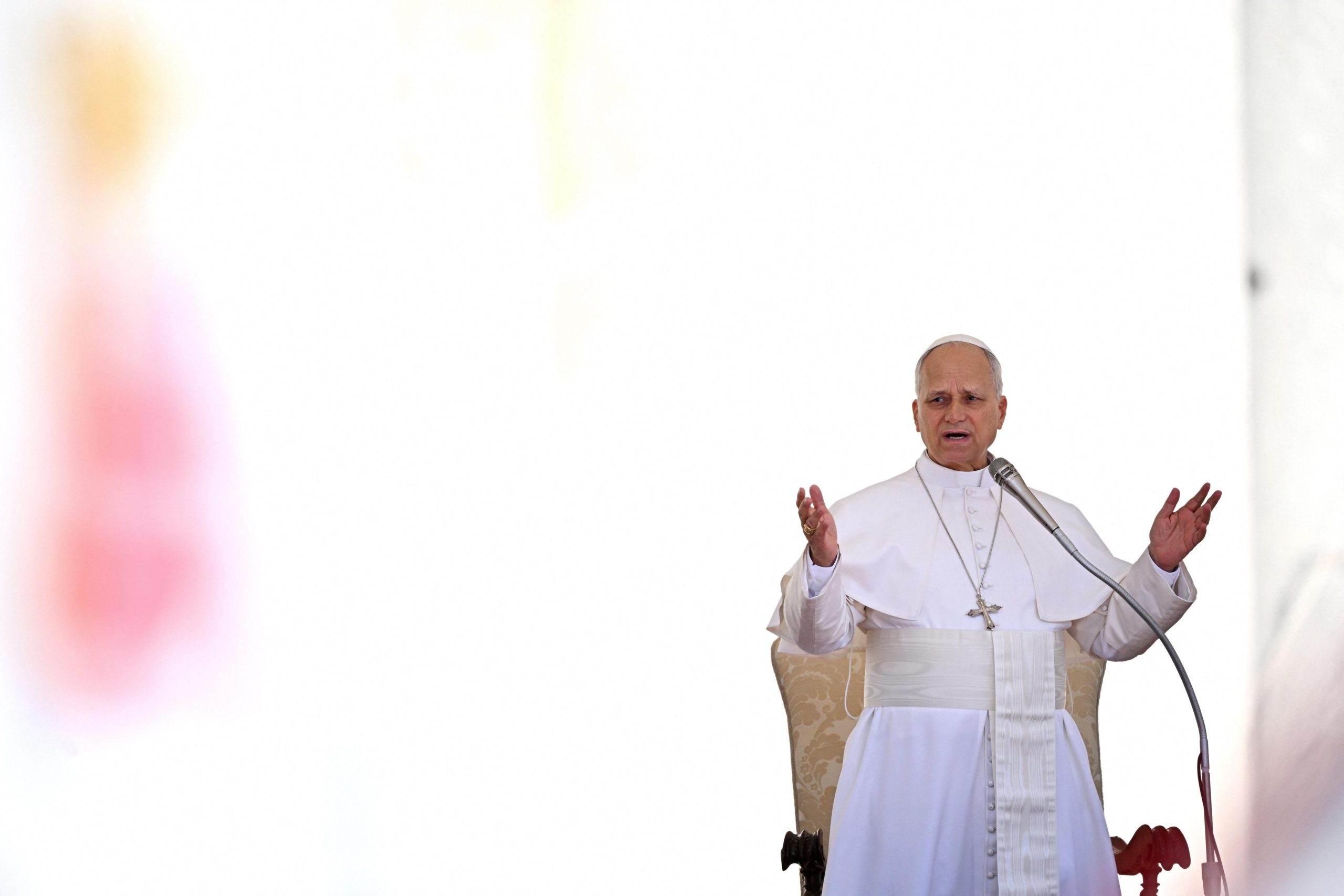
Pope Leo XIV has swiftly addressed his first major internal crisis, taking decisive action against a conservative Catholic sect that defied papal authority. Earlier this month, a group of individuals within the church were excommunicated after unilaterally ordaining bishops without the pontiff’s consent. This significant move by the first American Pope signals a clear intent to establish a strong and unwavering leadership style within the Catholic Church.
The excommunication comes just months after Pope Leo XIV made headlines for his call to “disarm AI,” indicating a pattern of taking bold stances on complex issues. This latest development, however, delves into the intricate dynamics of religious governance and the enduring power of papal authority.
A Test of Papal Authority
The schism, though involving a small faction, represents a direct challenge to the hierarchical structure of the Catholic Church. By excommunicating the dissenting group, Pope Leo XIV is not only asserting his own authority but also reminding the faithful of the profound consequences of defying the Holy See. This drastic measure underscores the gravity of the situation and serves as a clear message to any who might consider similar acts of insubordination.
David Gibson, director of the Center on Religion and Culture at Fordham University, offers a broader perspective on the Pope’s actions. He suggests that the way Pope Leo XIV handles this internal religious dispute might offer insights into how similar challenges are navigated within secular political landscapes. The act of excommunication, a tool wielded for centuries, remains a potent symbol of the Church’s ability to enforce its doctrines and maintain its unity.
The Enduring Power of the Papacy
Gibson’s analysis points to a potential losing battle for those who choose to oppose the Pope directly. Historically, the papacy has weathered numerous internal disputes and external pressures, often emerging stronger by demonstrating its resolve. The excommunication of this conservative sect can be seen as an assertion of the papacy’s enduring power and its capacity to make difficult decisions to preserve the Church’s integrity.
This event highlights a fundamental aspect of religious institutions: the tension between adherence to tradition and the need for adaptation or reform. While the excommunicated group likely viewed their actions as a return to more traditional practices, the Pope’s response emphasizes the established order and the ultimate authority vested in his office. The long-term implications of this schism for the Catholic Church, and how it might influence broader societal discussions on authority and dissent, remain to be seen.
Based on materials: Vox



