
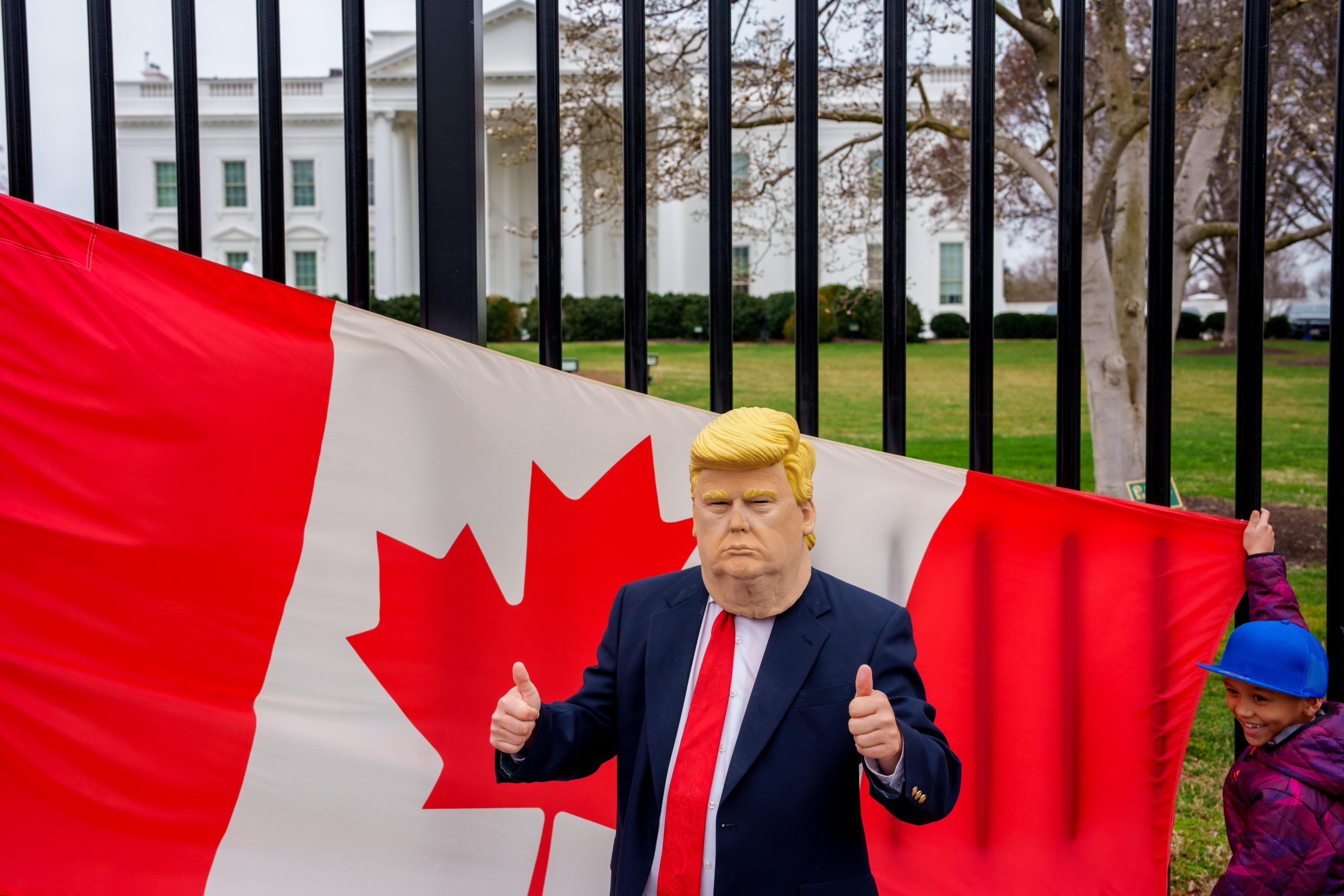
President Donald Trump has ignited a significant trade dispute with Canada, announcing sweeping new tariffs on a range of Canadian goods. The tariffs, slated to take effect in 30 days, have thrown both nations’ trade negotiators into a high-stakes scramble to avert an escalating economic conflict.
The White House’s late Monday announcement detailed a 50 percent levy on numerous Canadian products. The list includes items as diverse as whiskey, cheese, down jackets, and, perhaps predictably, hockey sticks. This move comes as the United States-Mexico-Canada Agreement (USMCA), the trade pact that replaced NAFTA and previously governed these goods, expired on July 1st, and the U.S. has seemingly declined to renew its participation.
A Legal Maneuver in Trade Policy
What makes this tariff imposition particularly noteworthy is the legal avenue President Trump is reportedly pursuing. Citing limitations placed on his tariff authority by the Supreme Court earlier this year, the administration is said to be leveraging a seldom-used provision within Section 338 of the Tariff Act of 1930. This historical legislation, largely dormant in modern trade relations, could signal a departure from established diplomatic and trade practices, potentially setting a precedent for future international economic disputes.
The implications of invoking such an old and potentially defunct authority are significant. It raises questions about the legality and enforceability of these tariffs and could invite legal challenges. For Canadian businesses and consumers, the immediate concern is the substantial price increase these tariffs would impose, impacting competitiveness and affordability across a broad spectrum of products. The economic ripple effects could extend beyond direct trade, potentially affecting supply chains and consumer confidence in both nations.
Navigating a Thorny Trade Landscape
The timing of these tariffs is also critical. With negotiators reportedly working against the clock, the coming weeks will be crucial in determining whether a diplomatic resolution can be reached. The USMCA’s expiration had already introduced an element of uncertainty into the North American trade relationship. Trump’s latest move exacerbates this instability, introducing a direct confrontation rather than a collaborative renegotiation.
Analysts suggest that this aggressive tariff strategy may be a negotiating tactic, designed to pressure Canada into concessions on other trade-related issues. However, such a bold move also risks alienating a key ally and trading partner, potentially leading to retaliatory measures from Canada. The broader geopolitical implications of a trade war between two of the world’s closest economic partners cannot be overstated, potentially impacting regional stability and global trade norms. The coming month will undoubtedly be a test of diplomatic skill and economic resilience for both the United States and Canada.
CONCLUSION:
President Trump’s imposition of new tariffs on Canadian goods marks a significant escalation in trade relations between the two North American neighbors. The reliance on an obscure historical law to enact these measures, coupled with the looming expiration of the USMCA, creates a volatile and uncertain trade environment. As negotiators race against time, the outcome of these looming tariffs will have far-reaching economic and diplomatic consequences, shaping the future of US-Canada trade and potentially influencing global trade dynamics.
Based on materials: Vox



