
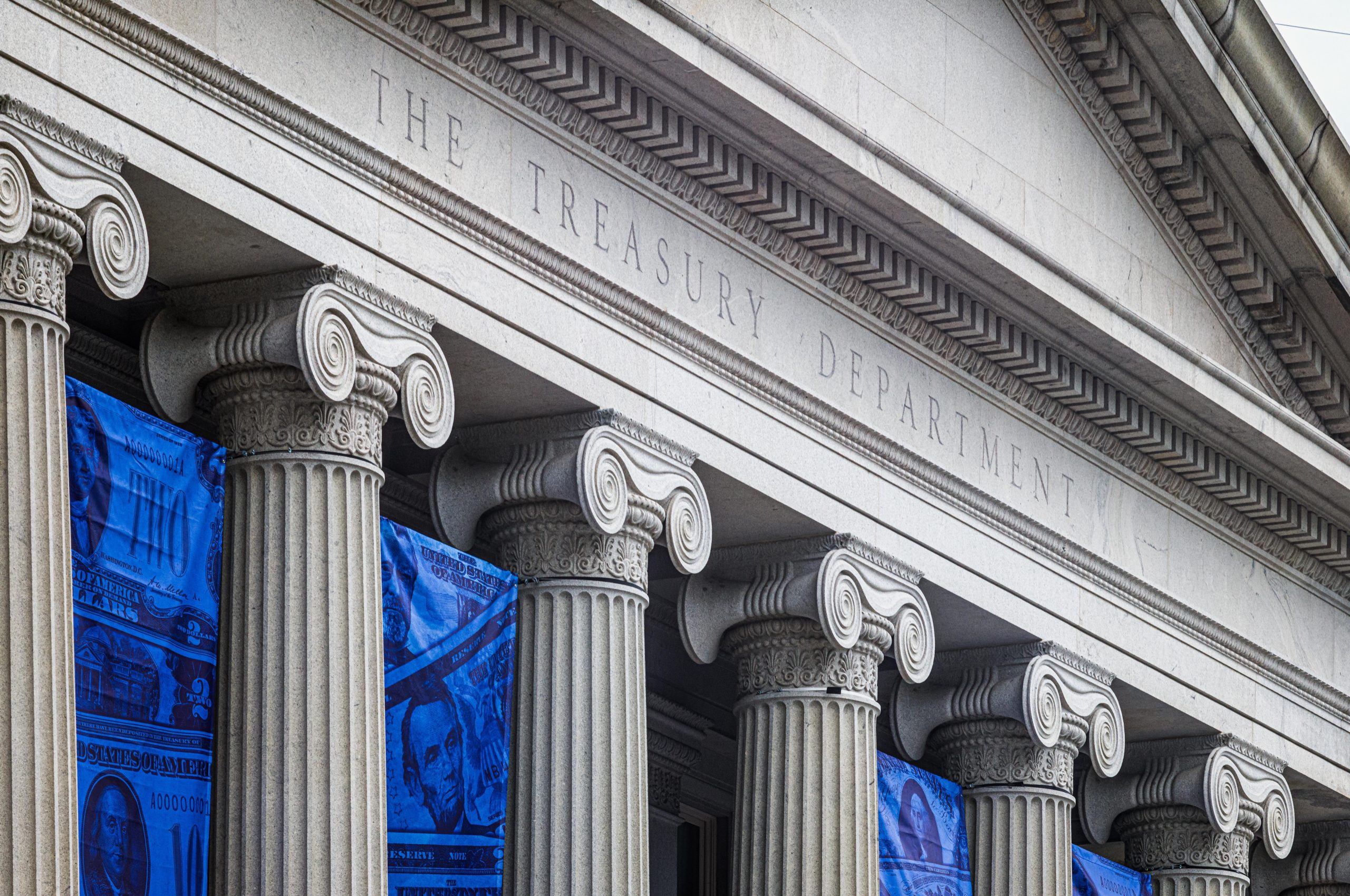
The rumblings in the U.S. bond market are growing louder, with the 30-year Treasury yield recently surging to a 19-year peak, a level not seen since the economic landscape of June 2007. This significant uptick, mirroring similar multi-year highs in countries like Japan, Germany, and France, is more than just a technical financial indicator; it’s a flashing red light that could have far-reaching consequences for consumers and the broader economy.
At its core, the bond market reflects the cost of borrowing money. When the government issues bonds to finance its operations, the yield represents the interest rate it pays to investors. These yields, particularly those on U.S. Treasuries, serve as a foundational benchmark for interest rates across a vast spectrum of financial products. From the mortgage rates that shape housing affordability to the auto loan rates influencing vehicle purchases, the underlying cost of borrowing is intrinsically linked to these bond market movements. A rise in bond yields means a rise in the cost of debt for everyone.
The Ripple Effect of Rising Yields
The recent spike in Treasury yields is not an isolated event but a symptom of larger economic forces at play. Inflationary pressures and the potential for sustained higher interest rates from central banks are key drivers. As investors demand higher returns to compensate for the eroding purchasing power of their money and the increased risk associated with longer-term investments, bond prices fall, and their yields climb. This dynamic creates a cascade effect. For individuals, it translates directly into more expensive mortgages, higher car payments, and potentially more costly credit card interest. Businesses, too, face increased borrowing costs, which can stifle investment, expansion, and hiring.
What Lies Ahead for Consumers and Businesses?
The implications of these elevated yields extend beyond immediate borrowing costs. They signal a potential shift in the economic environment, moving away from the era of ultra-low interest rates that has characterized much of the past decade. For those with existing variable-rate debt, the impact will be felt immediately. For those planning major purchases like a home or a new vehicle, the affordability equation has changed significantly. Furthermore, a sustained period of higher yields could impact retirement savings, particularly for individuals with significant exposure to fixed-income investments within their 401(k)s or other portfolios. The market’s message is clear: the cost of money is rising, and borrowers and investors alike need to recalibrate their expectations.
The surge in bond yields is a stark reminder of the interconnectedness of global financial markets and the delicate balance of economic forces. While the technical details may seem abstract, the tangible impact on everyday financial decisions is undeniable. As the U.S. and other nations navigate this period of heightened borrowing costs, a careful watch on the bond market will be crucial for understanding the trajectory of economic growth, inflation, and the financial well-being of households and businesses worldwide.
Based on materials: Vox



