
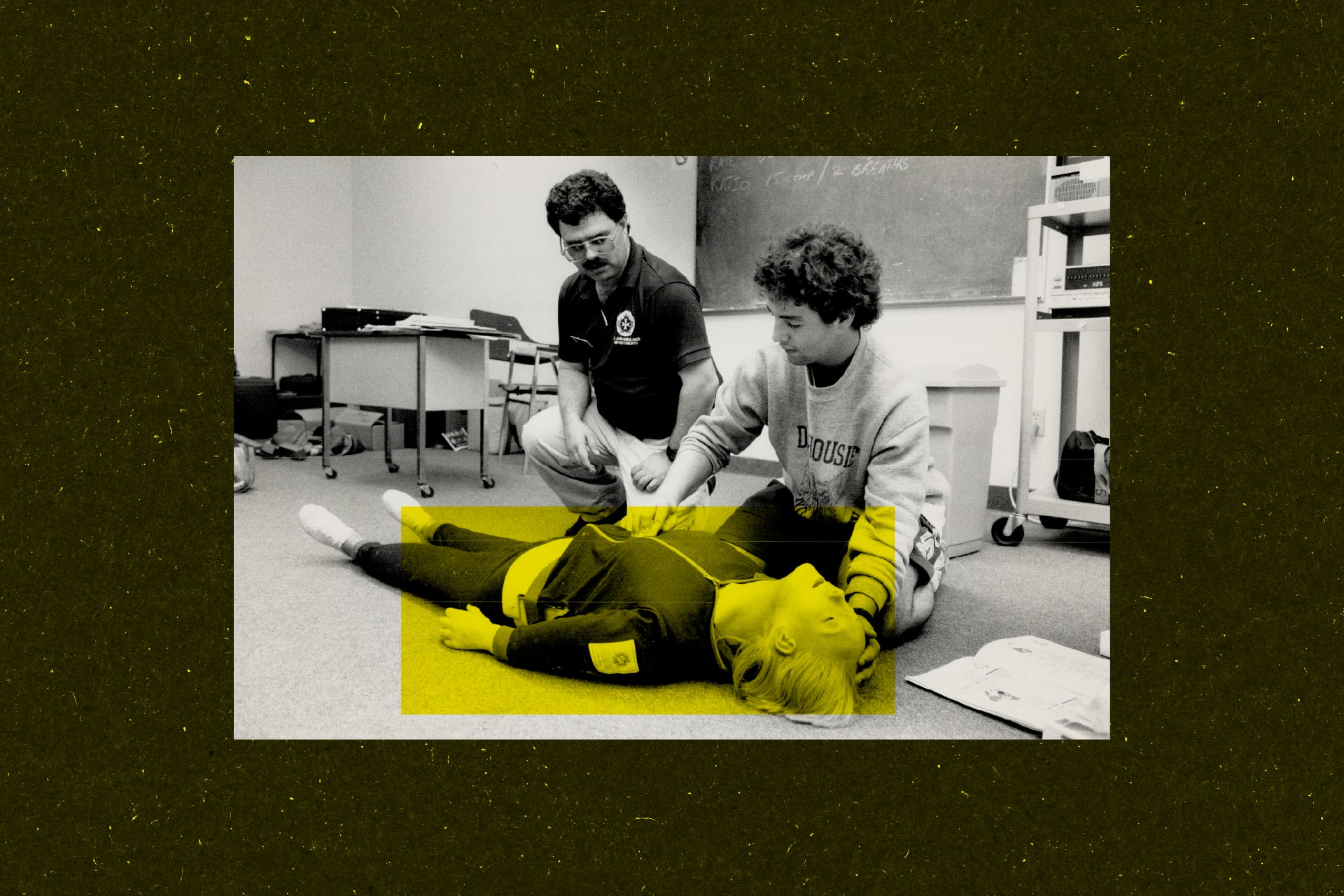
The familiar sight of a CPR training dummy—a flat-chested, often male-featured plastic torso—may be more than just an anatomical oversight; it could be a life-threatening flaw. A growing body of evidence suggests that the standard training tools used to teach cardiopulmonary resuscitation (CPR) are failing to adequately prepare individuals to assist women experiencing cardiac arrest, potentially leading to a significant disparity in survival rates.
The Gender Gap in Public CPR
Recent analyses have highlighted a concerning trend: women are less likely than men to receive bystander CPR in public cardiac arrest events. A comprehensive review of over 300,000 cardiac arrests revealed that women are approximately 14% less likely to receive this critical intervention from strangers. This statistic points to a complex issue, but experts increasingly believe that a significant contributing factor lies in the very tools used for training. The overwhelming reliance on anatomically male or androgynous mannequins means that many individuals learn CPR techniques on a body that doesn’t represent the female anatomy, particularly the presence of breasts. This can create hesitation and discomfort among potential rescuers when faced with a female patient.
Anatomical Discrepancies Lead to Hesitation
The presence of breasts can be a significant deterrent for untrained bystanders attempting to administer CPR or use an automated external defibrillator (AED). The unfamiliarity with how to properly position hands or place AED pads on a female chest can lead to awkwardness and a reluctance to act. This hesitation, even if brief, can be the difference between life and death in a cardiac arrest situation, where every second counts. The “first-time” experience of a lay rescuer encountering the female anatomy in such a high-stakes scenario, without prior practice on a representative model, can be overwhelming. This gap in training directly translates to a gap in care when it matters most.
The Lifesaving Imperative for Inclusive Training
The solution, advocates argue, is straightforward yet has been slow to be adopted: introducing CPR training manikins that accurately reflect female anatomy. Incorporating breasts into training models would allow future rescuers to practice on a more realistic representation, building confidence and familiarity. This would not only address the discomfort factor but also ensure that the techniques learned are applicable to a broader range of patients. As the medical community and public health organizations increasingly recognize the impact of implicit bias and anatomical representation in healthcare, prioritizing inclusive CPR training is a crucial step towards achieving equitable outcomes in emergency medical care. The simple act of updating training manikins could have a profound and lifesaving impact on women’s survival rates during cardiac emergencies.
Based on materials: Vox



