
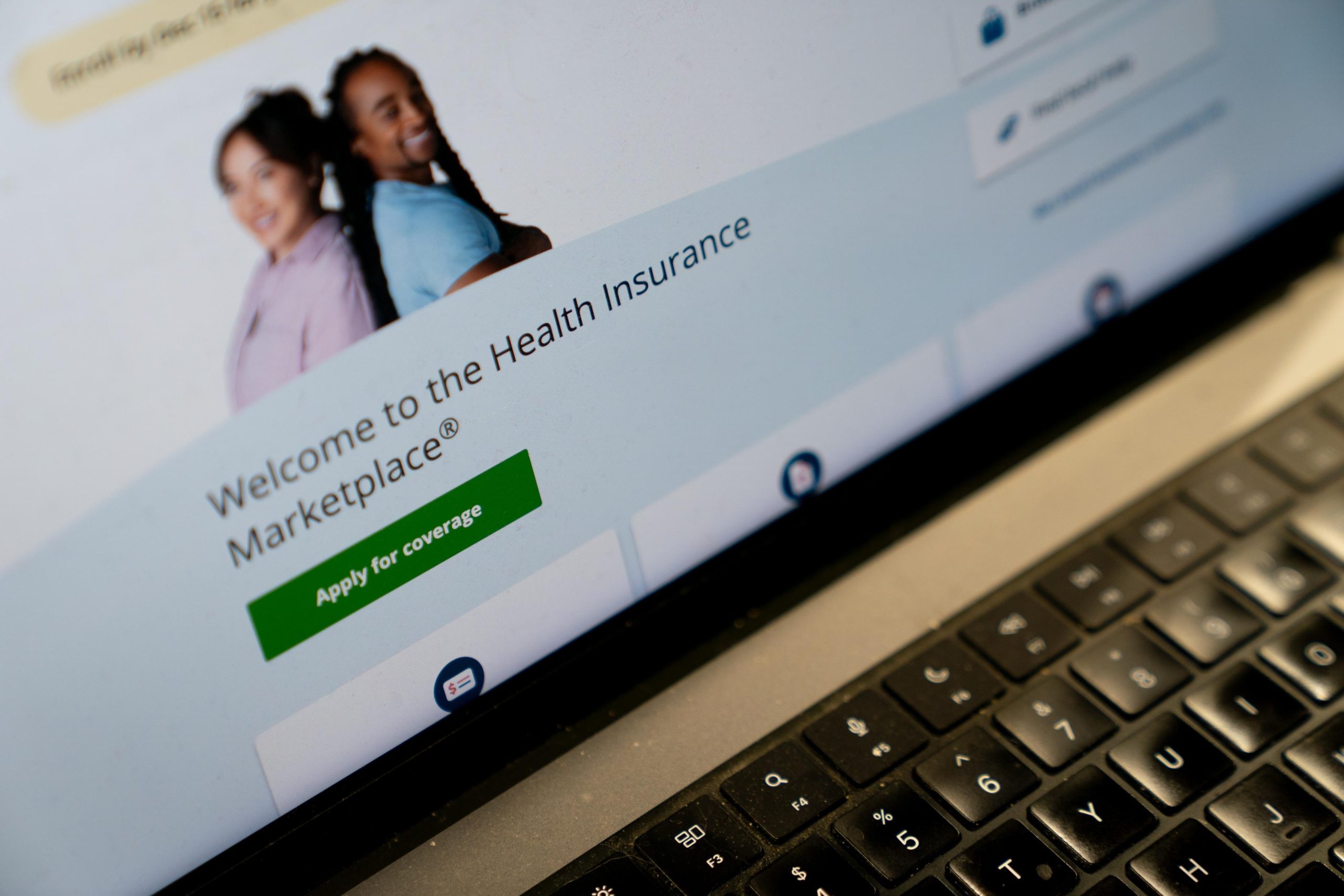
The landmark Affordable Care Act (ACA), widely known as Obamacare, is experiencing a significant downturn in health insurance enrollment. Federal data released in June reveals a stark decline, with nearly three million fewer Americans now covered by the program compared to the previous year. This sharp drop is directly linked to the expiration of enhanced subsidies in January, a move that has left many individuals facing substantial increases in their health insurance premiums.
The Unraveling of Affordability
The expiration of enhanced subsidies, a crucial component designed to make health insurance more accessible, has had a profound impact on consumers. For many, this led to an average spike of approximately 30 percent in their monthly premiums. This sudden and significant increase in cost has pushed a substantial number of Americans to the brink, forcing them to re-evaluate their ability to afford coverage. The ripple effect is clear: as premiums become less tenable, individuals are compelled to drop their health insurance altogether. This situation is particularly concerning as affordability remains a paramount issue for voters, especially with midterm elections on the horizon, making healthcare costs a focal point for political discourse.
A Shifting Healthcare Landscape
The current trajectory of Obamacare enrollment raises critical questions about the future of health insurance in the United States. As policy experts and industry leaders observe, the primary concern is the absence of a clear and viable alternative. “The big question is: What is going to be put forward as an alternative and how palatable will that be to consumers, lawmakers, the healthcare industry?” KFF Health News senior correspondent Julie Appleby articulated to Vox’s Today, Explained. This sentiment underscores the uncertainty and potential instability facing millions who rely on the ACA for their healthcare needs. The expiration of subsidies not only affects individual enrollment but also signals a potential shift in the broader healthcare ecosystem, prompting discussions about policy adjustments and the long-term sustainability of accessible healthcare.
The Road Ahead: Uncertainty and Policy Debates
The decline in Obamacare enrollment and the associated premium hikes are poised to intensify the ongoing debate surrounding healthcare policy. With affordability now a central theme in political campaigns, candidates are under pressure to present concrete solutions. The expiration of the enhanced subsidies has effectively removed a vital safety net for many, highlighting the delicate balance between government support and market forces in the healthcare sector. The coming months will likely see increased calls for legislative action to address the affordability crisis and potentially reshape the future of health insurance access for millions of Americans. The effectiveness and acceptance of any proposed alternatives will be crucial in determining the stability and accessibility of healthcare moving forward.
Based on materials: Vox



