
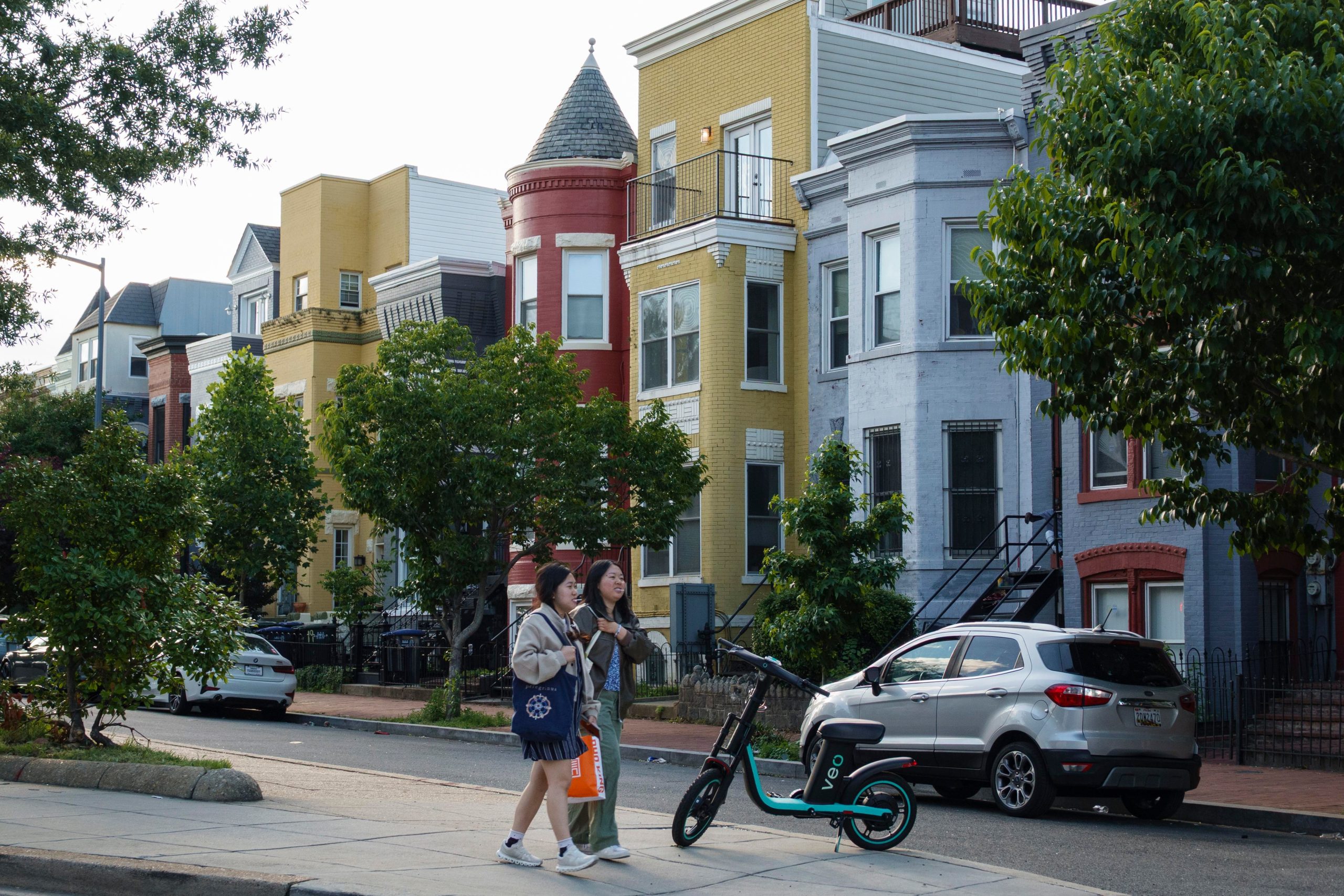
For decades, the American ideal has been synonymous with the open road and the suburban dream. We flock to historic European cities or meticulously crafted theme park versions of Main Street, enchanted by the charm of walkable environments. Yet, upon returning to our own sprawling landscapes, a familiar refrain often echoes: “Such a lifestyle could never work here.” This sentiment, while widely held, may be masking a deeper, unacknowledged yearning for something different.
The perception that Americans are inherently resistant to walkable communities is a persistent narrative. Many express a preference for spacious homes and expansive lots, seemingly content with a lifestyle built around the automobile. A recent Pew Research Center survey highlighted this, with a majority of Americans reportedly favoring spread-out communities. However, the very framing of such surveys, and the ingrained habits of a car-dependent society, may be obscuring a significant, yet often unarticulated, demand for more pedestrian-friendly living.
The Illusion of Sprawl Preference
The notion that Americans exclusively desire sprawl is a convenient, albeit incomplete, picture. The “two-car garage” and the sprawling subdivision have become deeply embedded in our cultural identity, often presented as the ultimate symbol of success and freedom. This has led to a significant inertia in urban planning and development, where the default remains prioritizing automotive access and infrastructure. Consequently, many communities actively resist proposals for denser, more walkable developments, fearing disruption to their established way of life. This resistance, however, doesn’t necessarily equate to a genuine, heartfelt preference for car-centric living. Instead, it can stem from a lack of viable alternatives, a fear of the unknown, or a misunderstanding of what walkable communities can truly offer beyond romanticized notions.
Uncovering Latent Demand for Pedestrian Life
Beneath the surface of suburban conformity and the vocal opposition to change, a compelling trend is emerging: a growing desire for environments that prioritize people over cars. As urban centers begin to reclaim streets for pedestrians, introduce bike lanes, and foster mixed-use developments, a noticeable shift is occurring. People are increasingly seeking out neighborhoods where daily errands can be accomplished on foot, where public spaces encourage community interaction, and where the hum of traffic is replaced by the sound of conversation. This “hidden demand” is not about replicating European cobblestone streets, but about creating accessible, convenient, and vibrant living spaces that foster a stronger sense of place and belonging, even within the American context. The success of revitalized urban cores and the growing popularity of “New Urbanism” principles are strong indicators that the traditional model of American living is ripe for evolution.
The Future of American Living
The challenge lies in bridging the gap between the deeply ingrained car culture and the emerging desire for more walkable, human-scaled communities. This requires a fundamental rethinking of urban planning, zoning laws, and public investment. It necessitates creating environments that are not only aesthetically pleasing but also practically functional for everyday life, offering genuine alternatives to car dependency. As more cities and developers embrace this vision, the “unkind old joke” about American culture may begin to fade, replaced by a new reality where the charm of a stroll down the street is not a vacation fantasy, but an accessible everyday experience. The future of American living might just be built, not just for driving, but for walking, connecting, and thriving.
Based on materials: Vox



