
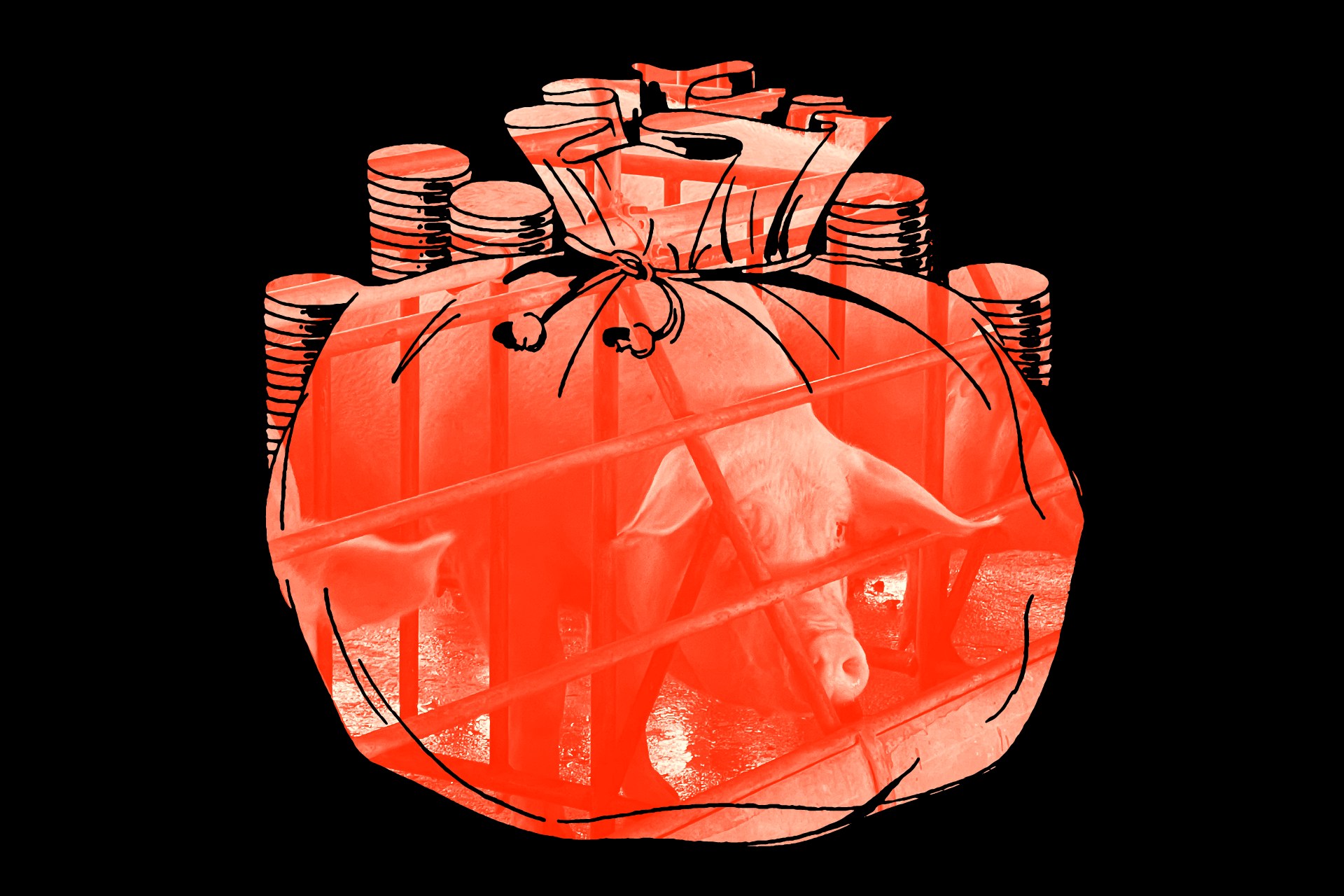
The Paradox of Pork: How Producer Dues Fuel Opposition to Farmers Like Russ Kremer
In the rolling hills of the Missouri Ozarks, Russ Kremer practices a style of hog farming that stands in stark contrast to modern industrial operations. With 2,000 pigs roaming freely on his 150 acres, eschewing antibiotics and cages, Kremer represents a segment of producers prioritizing animal welfare and a more sustainable approach. Yet, the very system designed to promote pork as a product is inadvertently funding efforts that work against farmers like him.
Every American hog farmer, including Kremer, is legally mandated to contribute a small percentage of their sales—currently 35 cents for every $100—to the National Pork Board. This organization, perhaps best known for its past “Pork. The Other White Meat.” campaign, exists to boost pork consumption and, by extension, benefit all producers. However, an exclusive investigation reveals a disconcerting reality: a significant portion of these mandatory farmer contributions is being channeled into lobbying efforts that actively oppose the very practices championed by independent and smaller-scale farmers.
A Divided Industry: Mandatory Contributions and Conflicting Agendas
The National Pork Board’s mission is ostensibly to serve the collective interests of pork producers. But the “check-off” program, as these mandatory contributions are known, has become a contentious issue within the industry. While the board uses these funds for research, promotion, and consumer education, a substantial portion is also allocated to organizations like the National Pork Producers Council (NPPC). It is through the NPPC that many of these farmer-dues are then used to influence policy and legislation.
Critics argue that this funding structure creates a conflict of interest. Farmers who prioritize ethical practices, environmental stewardship, or simply operate on a smaller scale find themselves contributing financially to lobbying groups that often advocate for policies favoring large, consolidated industrial farms. These policies can include advocating for weaker environmental regulations, opposing stricter animal welfare standards, and supporting trade agreements that may not benefit smaller producers. This creates a scenario where farmers are compelled to fund their own opposition, a paradox that raises significant questions about fairness and representation within the agricultural sector.
The Unseen Hand: Lobbying Power Derived from Producer Pockets
The funds collected through the check-off program provide considerable financial muscle for lobbying efforts. These resources allow organizations to engage with lawmakers, influence regulatory bodies, and shape public discourse around agricultural policy. For farmers like Kremer, this means their own contributions are, in effect, being used to lobby against their interests, potentially leading to regulations that make it harder for them to compete or even to continue operating according to their principles.
This dynamic highlights a broader challenge within agricultural policy: the disproportionate influence of large industry players. While the check-off program was designed with good intentions, its implementation has led to a situation where the collective voice, amplified by mandatory funding, often drowns out the concerns of independent and smaller-scale producers. As the agricultural landscape continues to evolve, the question of how these producer funds are utilized, and whether they truly serve the diverse interests of all farmers, remains a critical point of debate and a significant challenge for the future of the pork industry.
Based on materials: Vox



