
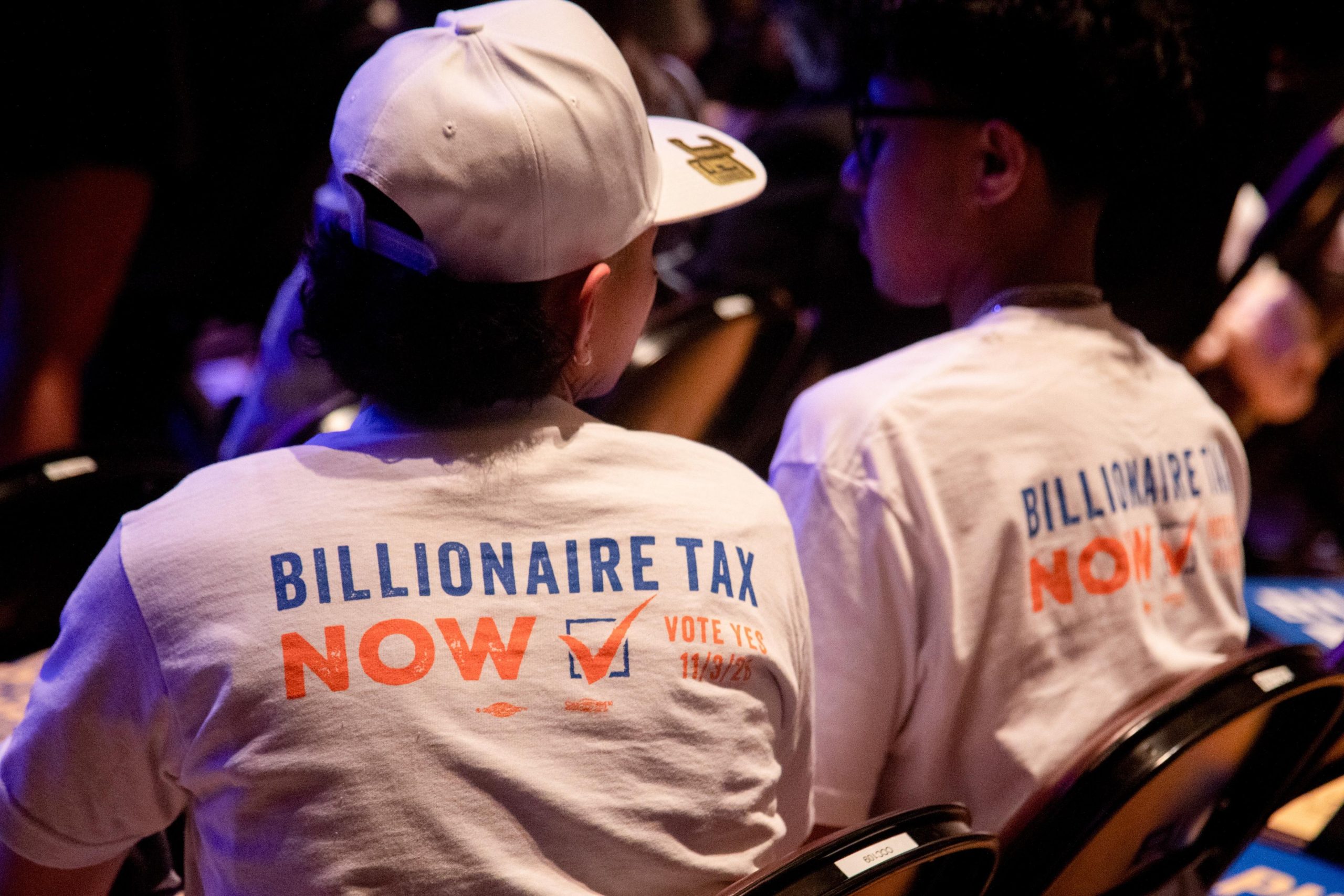
California is on the cusp of a groundbreaking decision this November, as voters grapple with a proposal that could reshape the state’s fiscal landscape and spark a national conversation about wealth inequality. The “California Billionaire Tax Act” aims to impose a one-time, 5% tax on the total assets of the state’s roughly 250 billionaires. This ambitious initiative, driven by a growing sentiment among Democratic politicians that the wealthiest individuals should contribute more, places California at the forefront of wealth taxation debates.
The movement to tax the ultra-rich is gaining traction nationwide, with figures like New York Mayor Zohran Mamdani and Texas Senate candidate James Talarico making it a central theme in their political platforms. Georgia Senator Jon Ossoff has also highlighted the issue, drawing attention to the concentration of wealth. However, California stands apart as the only state where such a tax is poised to be directly decided by voters. If passed, it would represent a significant departure from traditional tax structures and could set a precedent for other states and potentially the federal government.
A Bold Move Amidst Economic Shifts
The proposed tax is a direct response to the increasing concentration of wealth and the perceived imbalance in tax burdens. Proponents, including labor groups, argue that the revenue generated could fund vital public services, address infrastructure needs, and mitigate the impact of economic disparities. They point to the substantial fortunes amassed by a small segment of the population, suggesting that a modest tax on these assets is a fair contribution to the common good. The initiative has galvanized support among those who believe the current system disproportionately benefits the wealthy, while the burden falls more heavily on middle and lower-income citizens.
Billionaire Backlash and Economic Uncertainty
The prospect of the billionaire tax has ignited fierce opposition from the state’s wealthiest residents. Many are reportedly furious, with some already making plans to relocate their primary residences to avoid the tax. Critics argue that such a levy is punitive, could stifle investment, and may lead to capital flight, ultimately harming the state’s economy. They contend that taxing assets rather than income or consumption is a complex and potentially unconstitutional approach. Furthermore, concerns have been raised about the practicalities of valuing and taxing vast and often illiquid assets. The debate highlights a fundamental tension between the desire for increased public revenue and the potential economic consequences of aggressive wealth taxation.
The Future of Wealth Taxation on the Ballot
The outcome of California’s vote will undoubtedly have far-reaching implications. A “yes” vote could embolden advocates for wealth taxes across the country, potentially influencing future legislative efforts and even national policy discussions. Conversely, a “no” vote could signal a preference for less interventionist approaches to wealth concentration and may provide ammunition to opponents of such measures. Regardless of the result, the California Billionaire Tax Act has already succeeded in placing a critical issue of economic fairness and taxation at the center of public discourse, forcing a national reckoning with how wealth is generated, held, and taxed in the 21st century. The decision by California voters this November will be closely watched as a bellwether for the future of wealth taxation in the United States.
Based on materials: Vox



