
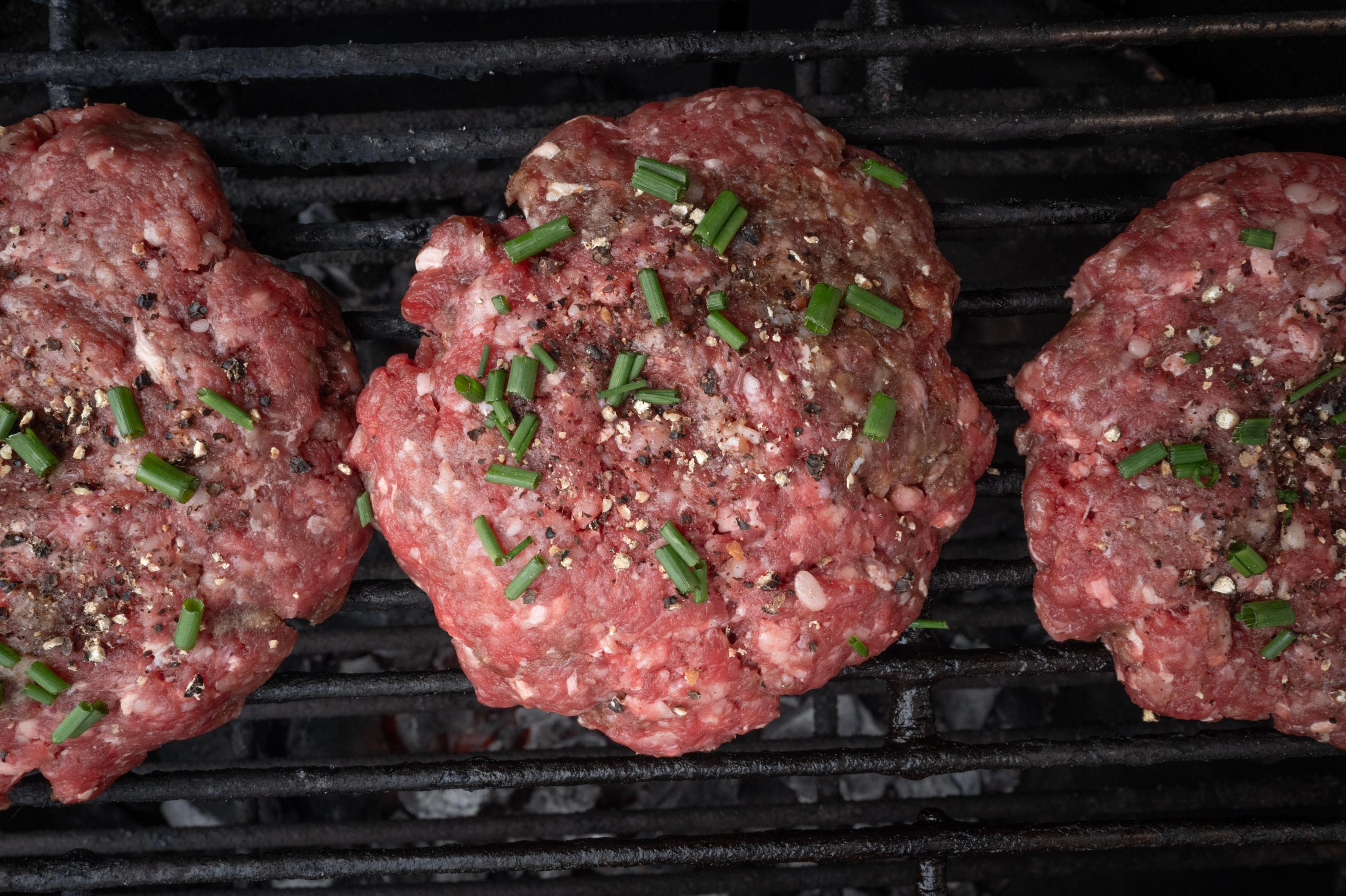
President Donald Trump’s administration recently attempted a targeted policy to lower consumer costs, specifically by reducing tariffs on imported beef trimmings. The initiative aimed to address rising ground beef prices, which had seen an approximately 8% increase year-over-year. However, this seemingly straightforward economic intervention has reportedly encountered significant challenges, failing to deliver the expected price relief and instead becoming a political misstep.
The Rationale Behind the Beef Tariff Reduction
In late August, the Trump administration announced the elimination of tariffs on up to 661 million pounds of imported lean beef trimmings. These trimmings are a crucial component in the production of ground beef, a staple in American diets. The policy was presented as a direct response to escalating prices at the grocery store, a move intended to benefit consumers ahead of the November midterms. The administration’s broader economic agenda has often been criticized for not prioritizing cost of living reductions, particularly in light of ongoing trade disputes and a refusal to de-escalate certain international conflicts that contribute to higher fuel prices. This specific action on beef tariffs represented a more focused effort to impact household budgets positively.
Unforeseen Consequences and Political Fallout
Despite the clear intention to alleviate price pressures, reports suggest the policy has not translated into cheaper burgers for consumers. Several factors may be at play. The complexity of the global meat supply chain, coupled with potential consolidation within the domestic beef processing industry, could be absorbing the tariff savings before they reach the retail level. Furthermore, the timing of the tariff reduction might not align with typical pricing cycles for ground beef. Critics argue that the administration’s approach to economic policy often overlooks such intricate market dynamics, leading to well-intentioned initiatives with limited real-world impact. This particular instance highlights a potential disconnect between policy decisions and their practical outcomes, raising questions about the administration’s understanding of market forces.
Broader Economic Context and Future Implications
The backfiring of the beef tariff reduction comes at a sensitive time for the administration, which has been seeking to demonstrate economic progress to voters. While the president has pursued aggressive trade policies, including tariffs on goods from adversaries and allies alike, the impact on American consumers has been a persistent concern. The failure to effectively lower ground beef prices through this targeted tariff cut could be seen as another instance where broader economic strategies have not yielded the desired consumer benefits. Moving forward, the administration may face increased scrutiny regarding the efficacy of its trade and economic policies, particularly as they relate to everyday household expenses. The incident serves as a reminder that even seemingly simple interventions in complex markets can produce unexpected and politically challenging results.
Conclusion
President Trump’s attempt to make burgers more affordable by cutting tariffs on beef trimmings appears to have fallen short of its objective. The initiative, while conceptually sound in addressing a specific consumer pain point, underscores the intricate nature of global supply chains and market economics. The political fallout from this unfulfilled promise could add to broader concerns about the administration’s ability to deliver tangible cost-of-living relief to American households.
SOURCE INFORMATION:
TITLE: Trump tried to make burgers cheaper. It backfired spectacularly.
DESCRIPTION: On most fronts, President Donald Trump has shown little concern for reducing Americans’ cost of living ahead of November’s midterms. Trump has refused to accept Iran’s ceasefire proposals, even as the conflict pushes fuel costs to new heights. And he’s declined to abandon his trade wars — with US adversaries and allies alike — even […]
CONTENT: In this photo illustration, ground beef patties are cooked on a grill on May 22, 2026, in Chicago, Illinois. | Scott Olson/Getty Images On most fronts, President Donald Trump has shown little concern for reducing Americans’ cost of living ahead of November’s midterms. Trump has refused to accept Iran’s ceasefire proposals, even as the conflict pushes fuel costs to new heights. And he’s declined to abandon his trade wars — with US adversaries and allies alike — even as tariffs nudge up Americans’ expenses. Yet there is one area where Trump has recently tried to lower consumer prices in an economically coherent way, and it’s been a political disaster. In late August, the president lowered tariffs on up to 661 million pounds of imported lean beef trimmings, a key ingredient in hamburger meat. This policy directly addressed a genuine problem facing US consumers: Ground beef prices were roughly 8 percent higher last month than they had been one year earlier. And unlike m
SOURCE: Vox
Based on materials: Vox



