
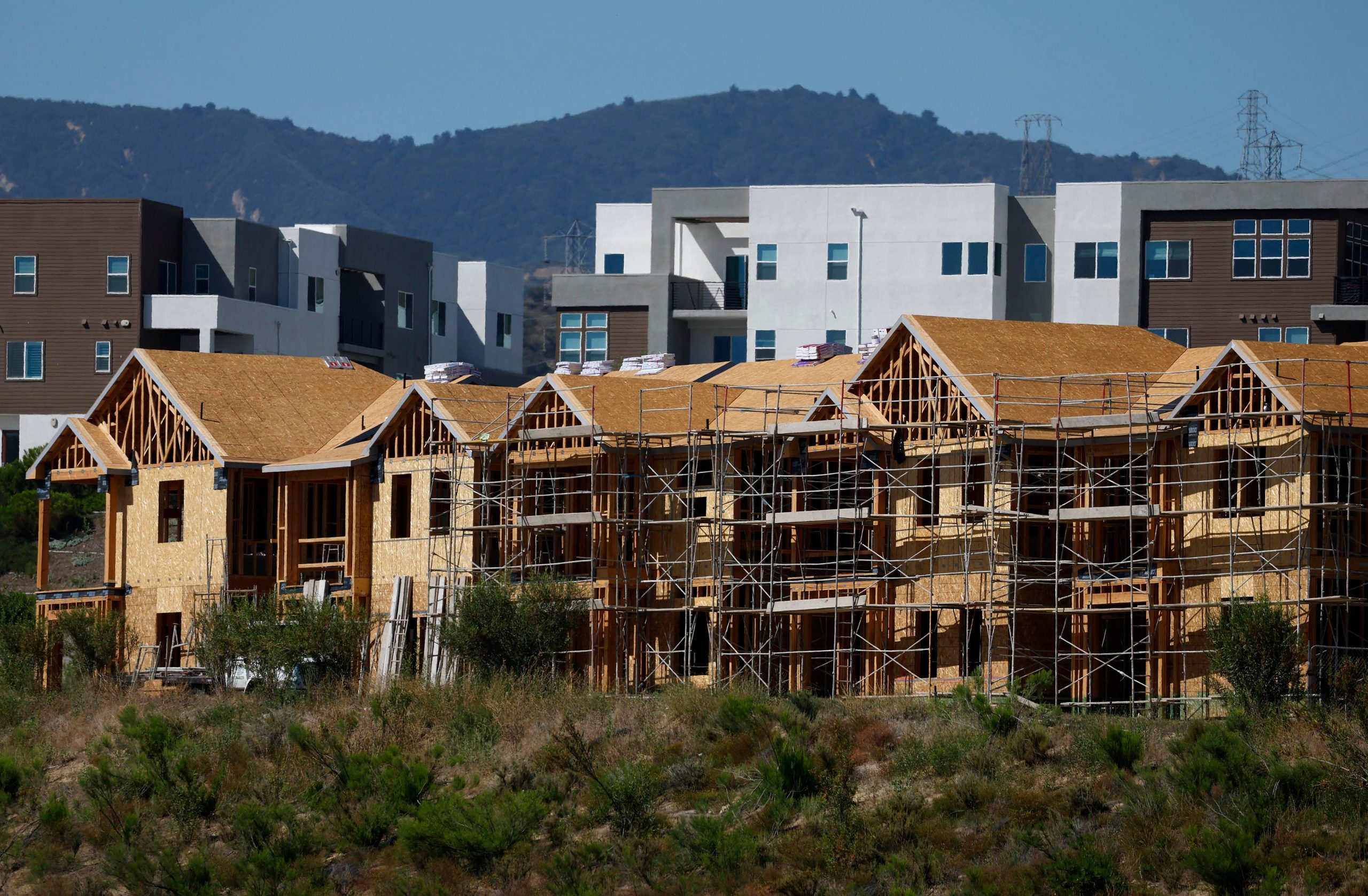
The stark contrast between America’s sluggish housing construction and the rapid development seen in countries like the former Soviet Union, Sweden, and Japan highlights a critical inefficiency in the U.S. system. While American cities grapple with soaring housing costs and persistent shortages, other nations have demonstrated that building homes can be a swift and streamlined process, offering a potential roadmap for addressing the current crisis.
Prefabrication: A Global Success Story
The Soviet Union, in its mid-20th-century housing drive, famously erected tens of thousands of apartment buildings with remarkable speed, some completed in as little as 12 days. This feat, often associated with grim concrete structures, wasn’t solely a product of a command economy. Today, modern, high-quality homes are being factory-built and assembled in weeks in countries like Sweden and Japan, utilizing the same core principle: prefabrication. This method involves constructing building components off-site in controlled factory environments, then transporting them for rapid assembly at the construction site. The result is a significant reduction in build times and, potentially, costs.
The American Bottleneck
In stark contrast, the United States lags significantly behind. A recent economics working paper reveals that in some of America’s most expensive urban centers – including San Francisco, New York, and Miami – constructing a moderately sized apartment building can take an astonishing five years from initial application to completion. This protracted timeline is a major contributing factor to the nation’s housing affordability crisis, creating a bottleneck that limits supply and drives up prices. The inefficiencies are not rooted in a lack of technological capability but rather in systemic obstacles.
Rethinking U.S. Construction and Regulation
The disparity begs the question: how can the U.S. replicate the efficiency seen elsewhere? The answer likely lies in a multi-pronged approach. Firstly, a broader adoption and scaling of prefabrication and modular construction techniques could dramatically shorten build times. This requires investment in factory infrastructure and a shift in industry mindset from traditional on-site building to off-site manufacturing. Secondly, and perhaps more critically, is a deep examination of regulatory hurdles. Permitting processes, zoning laws, and lengthy approval cycles in many American cities are significant contributors to the extended construction timelines. Streamlining these bureaucratic processes, without compromising safety or environmental standards, is essential. Furthermore, fostering a more competitive market for construction materials and labor could also drive down costs associated with building. The lessons from global counterparts suggest that with a concerted effort to modernize building practices and reform regulatory frameworks, the U.S. could significantly accelerate its housing construction, moving towards a future with more accessible and affordable homes.
Based on materials: Vox



