
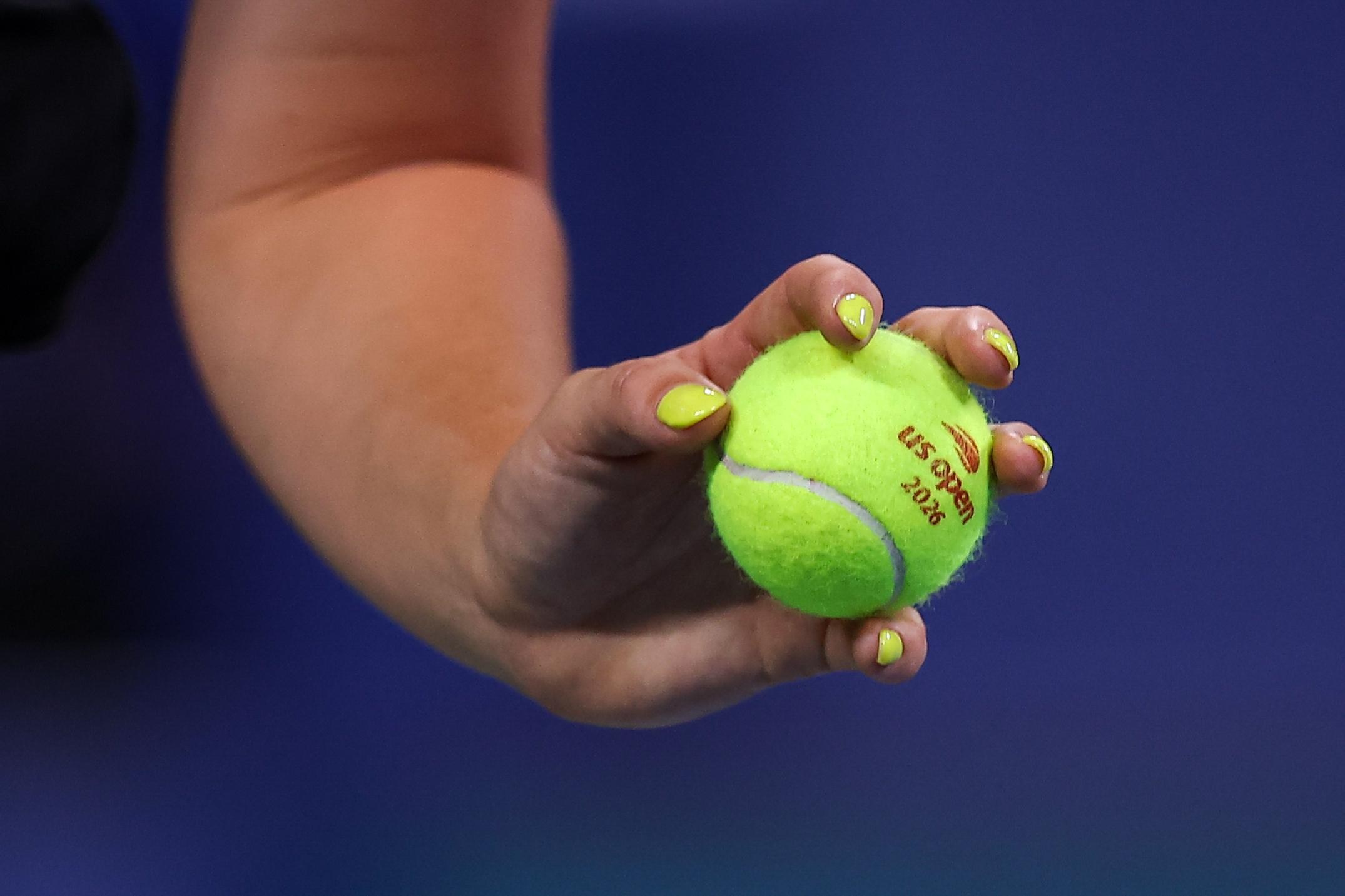
The familiar fuzzy sphere propelling from a tennis racket across courts worldwide has sparked a surprising debate: is it green or yellow? This seemingly simple question has led to heated discussions and a deeper dive into the fascinating science of human perception. What might appear to be a matter of opinion is, in fact, a complex interplay of physics, biology, and psychology.
The Case for Confusion: A Spectrum of Sight
The common consensus for decades has been that tennis balls are yellow. Yet, a significant portion of the population insists they are distinctly green. This divergence in perception isn’t a sign of faulty eyesight or a lack of attention; it’s rooted in how our brains process color. Dr. Bevil Conway, a neuroscientist and artist heading a lab at the National Eye Institute, explains that there’s a scientific basis for this visual discrepancy. His research into color perception, which will be featured in his upcoming book “Color Coded,” sheds light on why this particular hue causes such widespread disagreement.
The Science Behind the Shade: Illuminating Perception
Conway points to the specific wavelengths of light reflected by the neon yellow-green of a tennis ball. This color falls into a unique part of the spectrum where the human visual system can have varying interpretations. It’s a shade that bridges the gap between what our eyes perceive as “green” and “yellow.” Furthermore, the ambient lighting conditions under which a tennis ball is viewed can significantly influence its perceived color. In bright, natural sunlight, the yellow undertones might be more prominent. Conversely, under artificial lights or in shaded conditions, the green aspects can become more dominant in our visual interpretation. This phenomenon highlights that color isn’t an inherent property of an object but rather a construct of our brain based on the light it receives and processes.
Beyond the Court: The Broader Implications of Color Perception
The tennis ball debate, while seemingly trivial, serves as an accessible entry point into understanding the complexities of human vision. It underscores how subjective our perception of the world can be, even for something as seemingly objective as color. Dr. Conway’s work emphasizes that our understanding of color is not a simple, universal constant but a dynamic process influenced by a multitude of factors. This has implications far beyond sports equipment, impacting everything from art and design to how we communicate and interpret information in our daily lives. The next time you watch a tennis match, consider not just the game, but the incredible, and sometimes divided, visual journey of that iconic fuzzy sphere.
Based on materials: Vox



