
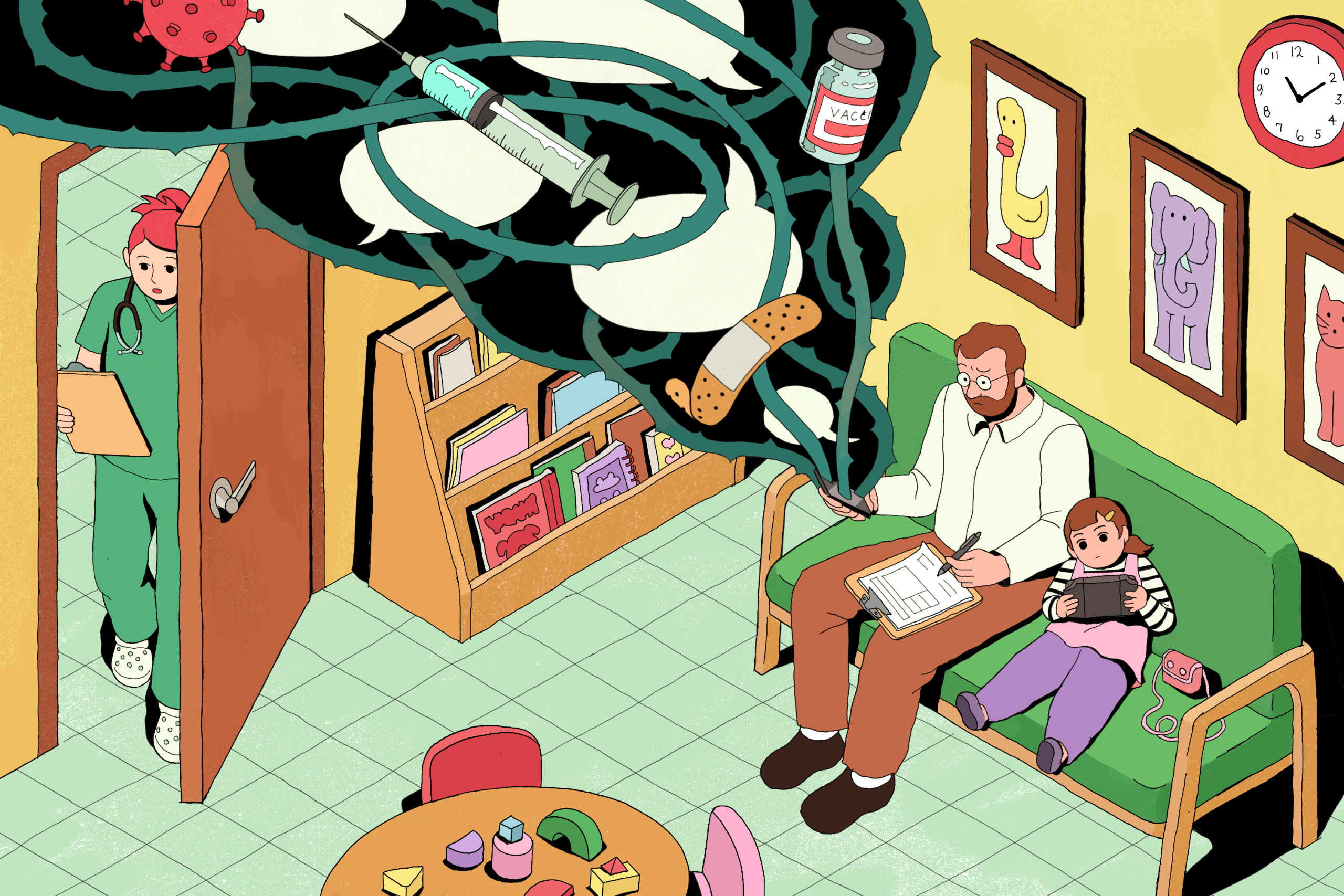
The annual autumnal ritual of childhood vaccinations – flu shots, COVID boosters, the usual suspects – is facing unprecedented uncertainty. This year, navigating the world of childhood immunizations feels more like traversing a minefield than a routine checkup. The usual comforting predictability of vaccination schedules has been disrupted by a confluence of factors, leaving many parents confused and concerned.
Conflicting Guidance and Growing Concerns
The US government’s recent alterations to its vaccine recommendations have ignited a firestorm of debate. Leading medical organizations and a growing number of states are openly challenging these changes, creating a cacophony of conflicting information that is leaving parents bewildered and struggling to make informed decisions for their children. This lack of clear, consistent messaging from authoritative sources undermines public trust and fuels anxieties surrounding vaccine safety and efficacy. The situation is further complicated by the rise of misinformation and disinformation campaigns actively circulating online, making it increasingly difficult to discern credible information from harmful falsehoods.
The Role of Parental Anxiety and Misinformation
The current climate of uncertainty is not just about conflicting guidelines; it’s also about the emotional toll it takes on parents. The responsibility of protecting their children’s health weighs heavily, and the barrage of contradictory information only amplifies this burden. Parents are understandably anxious when faced with decisions that impact their children’s well-being, and this anxiety is often exploited by those who spread misinformation. Social media platforms, in particular, have become breeding grounds for vaccine hesitancy and fear-mongering, exacerbating the challenge of making informed choices. The proliferation of unsubstantiated claims and conspiracy theories further complicates the issue, eroding trust in established medical institutions and public health authorities.
Finding Reliable Information and Making Informed Decisions
In this climate of uncertainty, it’s more crucial than ever to prioritize reliable sources of information. Parents should consult with their pediatrician or family doctor to discuss their individual circumstances and concerns. These healthcare professionals can provide personalized advice based on the latest evidence and their understanding of each child’s unique health profile. Reputable organizations like the Centers for Disease Control and Prevention (CDC) and the World Health Organization (WHO) also offer valuable, evidence-based information on vaccines and their safety. It’s important to critically evaluate information encountered online, verifying its source and ensuring it aligns with established scientific consensus before making any decisions.
Conclusion:
The current situation surrounding childhood vaccinations underscores the critical need for clear, consistent, and trustworthy communication. The confusion and anxiety surrounding vaccination schedules highlight the urgent need for public health officials and medical organizations to collaborate effectively and present a unified front in providing accurate and accessible information to the public. Empowering parents with reliable information and fostering open dialogue is essential to overcoming vaccine hesitancy and ensuring the health and well-being of children. The responsibility lies not just with parents but with all stakeholders to combat misinformation and build public trust in established medical practices.
Based on materials: Vox



