
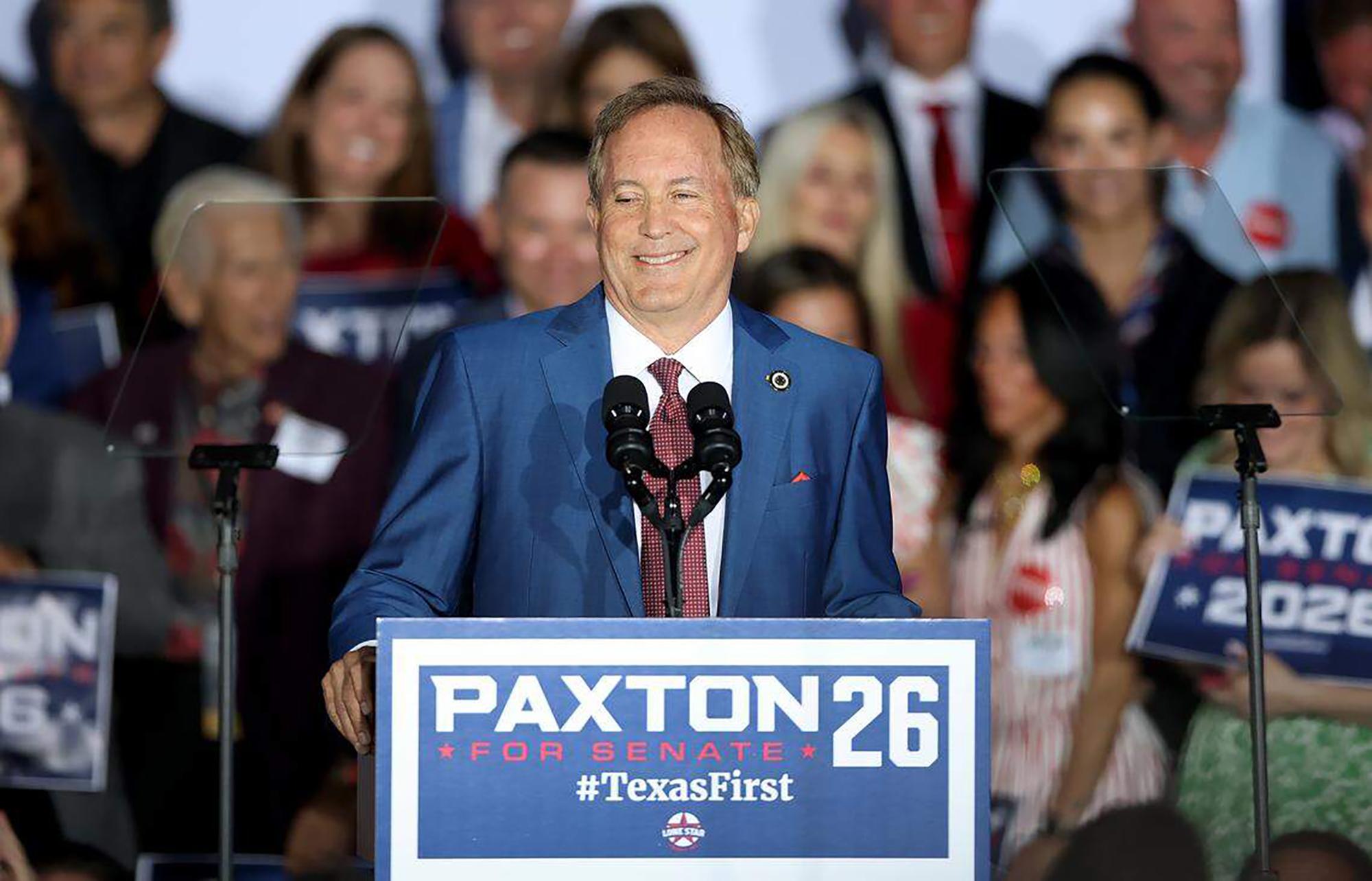
Texas Senate Race: Faith Fuels a Clash of Ideologies
The upcoming Texas Senate race is shaping up to be more than just a contest of political platforms; it’s a battle of competing worldviews rooted in faith. With Republican nominee Ken Paxton, the state’s conservative Attorney General, set to face off against Democratic nominee James Talarico, a Presbyterian seminarian, voters can expect a debate that delves into the very essence of Christianity and its role in public life. This unusual dynamic presents a rare opportunity to examine the diverse interpretations of faith in the political arena.
A Theological Divide
Paxton, a staunch conservative, embodies a more traditional evangelical message, often associated with the Republican party. His political stances are deeply intertwined with his religious beliefs, reflecting a vision of Christianity that prioritizes specific social issues and a strong adherence to conservative values.
In contrast, Talarico offers a different perspective. As a Presbyterian seminarian, he brings a theological understanding that emphasizes social justice, compassion, and inclusivity. He actively challenges the notion that Christianity is synonymous with right-wing politics, advocating for a more progressive interpretation of faith that aligns with Democratic values.
Challenging the Narrative
Talarico’s candidacy is particularly significant in a political landscape where the term “Christian” has become increasingly associated with a specific set of conservative beliefs. By openly embracing his faith and articulating a progressive vision of Christianity, Talarico aims to broaden the narrative and demonstrate that faith can be a source of both personal conviction and social change. His campaign seeks to resonate with voters who feel that their faith is not adequately represented by the Republican party.
A Race to Watch
The Texas Senate race promises to be a closely watched contest, not only for its political implications but also for its potential to spark a broader conversation about the role of faith in American society. As Paxton and Talarico present their contrasting visions, voters will have the opportunity to consider the diverse ways in which religious beliefs can inform political ideologies and shape the future of Texas.
SOURCE: Vox
Based on materials: Vox



