
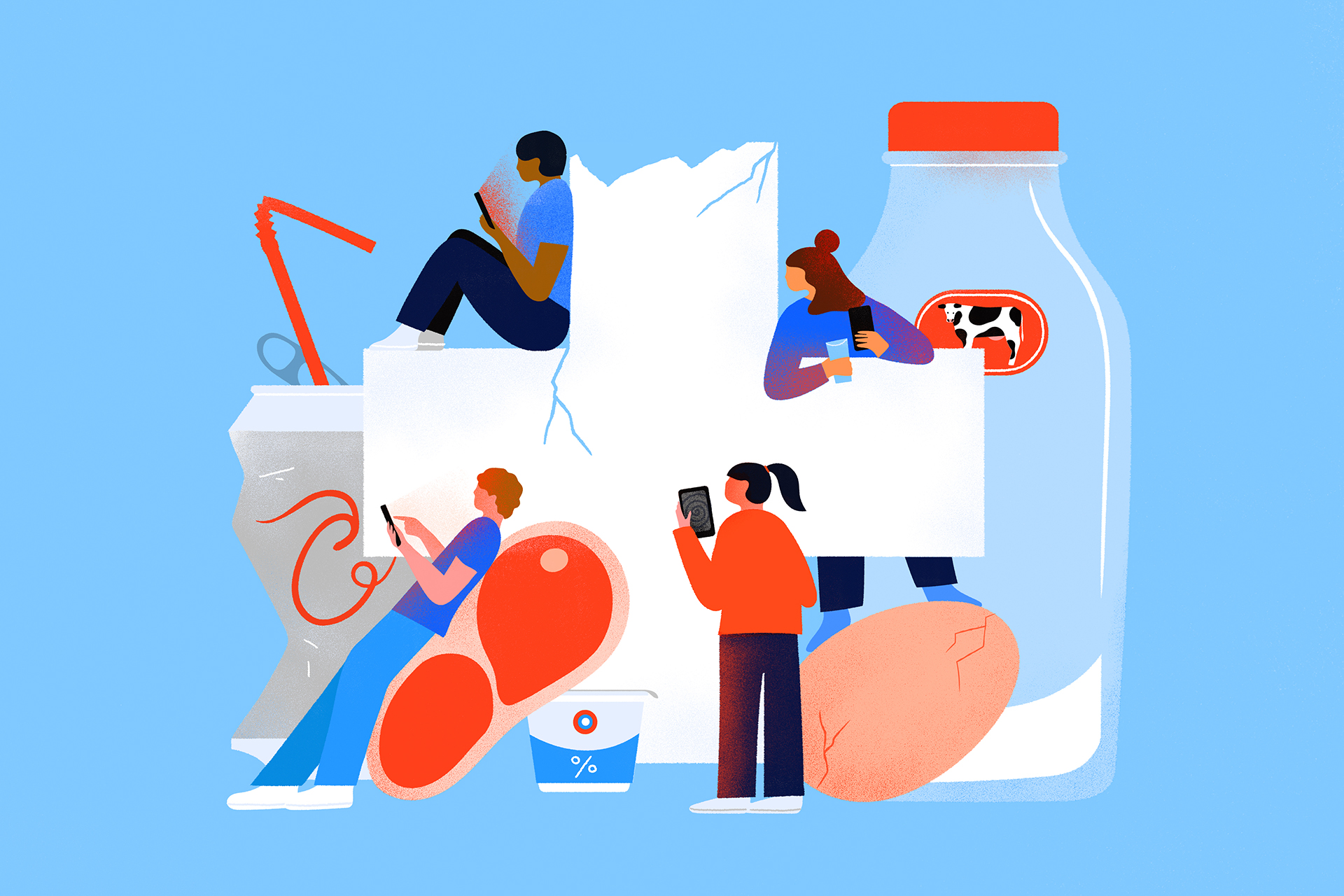
Gen Z Rejects Processed Foods: A New Health Movement Emerges
A new wave of health consciousness is sweeping across Generation Z, driven by concerns about processed foods, seed oils, and the perceived decline in nutritional quality. This movement, dubbed “Make America Healthy Again” (MAHA) by some, echoes the anxieties of previous generations but is now spearheaded by teens and young adults who are taking health into their own hands.
From Moms to Teens: A Generational Shift
The MAHA movement initially gained traction with mothers concerned about childhood vaccines and food additives, even influencing political figures like Donald Trump and Robert F. Kennedy Jr. Now, the movement is being revitalized by a younger generation. Social media platforms are flooded with young influencers like Lexi Vrachalus, a 20-year-old who shares videos of her meticulously crafted, seed-oil-free, and sugar-free meals. Vrachalus champions the idea of personal empowerment in health, urging her followers to “take back health into your own hands” and “heal your body.”
Social Media and the Rise of DIY Health
This new generation of health advocates is leveraging social media to disseminate information and build communities around their lifestyle choices. They emphasize the importance of whole, unprocessed foods and often promote alternatives to conventional products. For example, Vrachalus created her own healthier version of Peeps using maple syrup and beef gelatin. This DIY approach to health reflects a desire for greater control over what they consume and a skepticism towards established food industries.
A Critical Eye on the Future of Health
While the enthusiasm for healthy eating is commendable, it’s crucial to approach this movement with a critical eye. Misinformation and pseudoscience can easily spread online, and it’s important to rely on credible sources and consult with healthcare professionals before making drastic dietary changes. However, the passion and engagement of Gen Z in reclaiming their health is undeniable. This growing trend signals a potential shift in food culture and consumer behavior, pushing for greater transparency and healthier options in the marketplace.
The emergence of this new wave of health advocates highlights a growing awareness among young people about the importance of nutrition and well-being. Whether this movement will lead to lasting change remains to be seen, but it undoubtedly presents an opportunity to foster healthier habits and challenge the status quo of the food industry.
Based on materials: Vox



