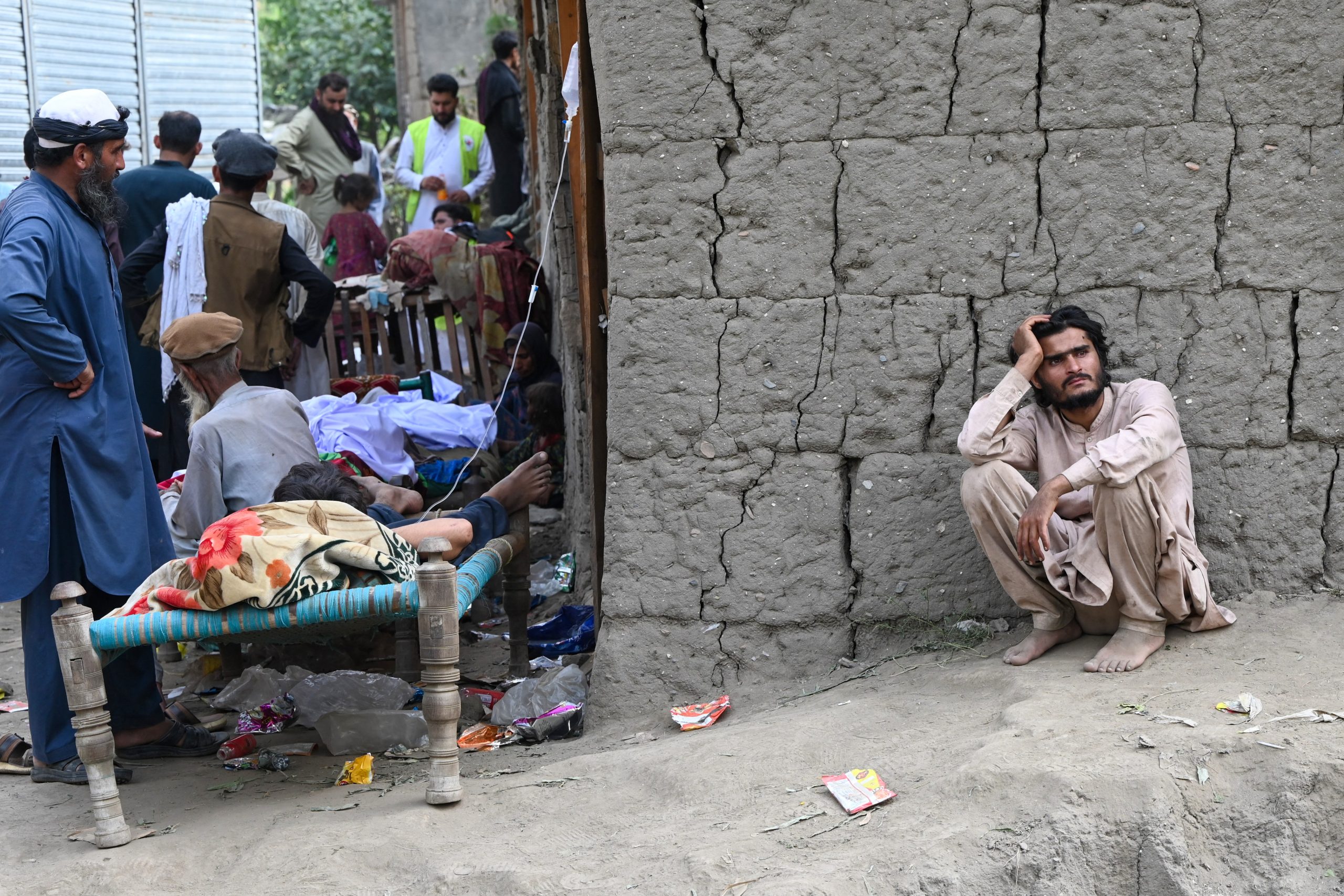
The devastating earthquake that struck eastern Afghanistan last week, claiming over 2,200 lives, has tragically highlighted the far-reaching consequences of reduced US aid to the war-torn nation. While the immediate impact was the catastrophic destruction of homes and infrastructure, the longer-term effects are equally alarming, exposing a critical gap in essential healthcare access that exacerbated the disaster’s death toll.
The Crumbling Healthcare System
The earthquake’s impact was amplified by a pre-existing fragility within Afghanistan’s healthcare system. Months before the tremors hit, the withdrawal of US funding had already led to the closure of numerous vital healthcare facilities. Mushtaq Khan, a senior advisor for the International Rescue Committee, recounted feeling the earthquake in Kabul and subsequently witnessing the slow, horrifying increase in the reported death toll. He poignantly questioned the potential for a lower death toll had the four clinics in the hardest-hit province, closed due to US Agency for International Development (USAID) budget cuts, remained operational. These closures deprived an estimated 60,000 people in rural areas of access to crucial medical services.
A Humanitarian Crisis Compounded
The situation underscores a complex humanitarian crisis where the lack of resources and infrastructure, exacerbated by political instability and economic hardship, created a fertile ground for tragedy. The earthquake didn’t simply cause destruction; it exposed vulnerabilities that had been steadily worsening in the months and years leading up to the disaster. The remote location of many affected villages hampered rescue efforts, further highlighting the challenges faced in delivering aid and medical assistance to those most in need. The slow trickle of information on casualties underscored the communication difficulties in a region already grappling with limited connectivity.
The Geopolitical Implications of Reduced Aid
The impact extends beyond the immediate human cost. The reduced US presence and aid cuts have broader geopolitical implications. The decision to significantly curtail funding reflects a shifting global landscape and a reassessment of US foreign policy priorities. Critics argue that this approach undermines long-term stability and development efforts, leaving vulnerable populations at greater risk during crises. The Afghanistan earthquake serves as a stark reminder of the interconnectedness of development, humanitarian aid, and international security. The consequences of neglecting these interconnected factors can be devastating, as evidenced by the amplified suffering witnessed in the aftermath of this natural disaster.
Conclusion:
The Afghanistan earthquake is more than a natural disaster; it’s a stark illustration of the consequences of policy decisions that impact humanitarian aid and healthcare infrastructure. The tragic death toll could have been lessened with sustained access to healthcare, highlighting the critical need for long-term investments in global health and development, even amidst shifting geopolitical priorities. The international community must grapple with the ethical and practical implications of reduced aid, recognizing that such cuts can have catastrophic consequences for vulnerable populations. The earthquake serves as a somber reminder of our shared responsibility to mitigate risk and alleviate suffering, particularly in regions already facing immense challenges.
Based on materials: Vox