
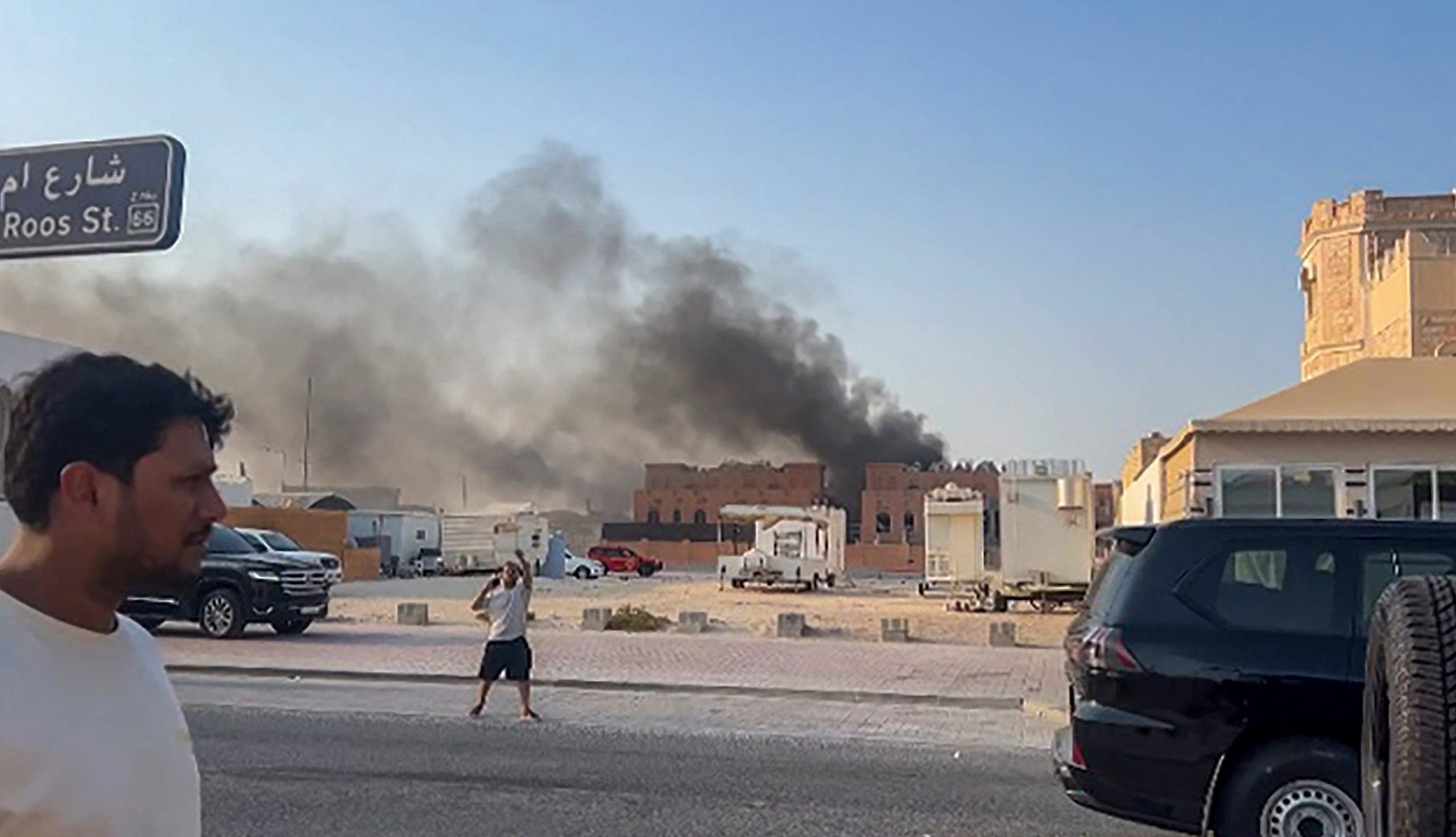
Israel’s audacious airstrike on a residential building in Doha, Qatar, on Tuesday sent shockwaves through the already volatile geopolitical landscape and effectively dashed hopes for a negotiated end to the Gaza conflict through a hostage exchange. The attack, targeting senior Hamas leadership, marks a significant escalation and suggests a hardening of Israel’s stance.
A Bold Gamble with Unclear Outcomes
The Israeli Air Force’s targeting of a building in the Qatari capital, a key US ally, was a high-stakes gamble. While Israel claims the strike aimed to eliminate top Hamas officials, including exiled Gaza leader Khalil al-Hayya and Khaled Mashaal, the head of Hamas abroad, reports indicate the individuals survived. Hamas reported five casualties, while Qatar confirmed the death of a member of its internal security forces. The incident underscores the complexities and high stakes involved in the conflict, highlighting the inherent risks of such actions within a sensitive diplomatic environment. The choice of Doha as the target location, a city hosting various diplomatic initiatives, also points to the Israeli government’s determination to disrupt any potential peace negotiations.
Diplomatic Fallout and Regional Instability
The attack’s impact extends far beyond the immediate casualties. It has ignited fierce condemnation from Qatar and other nations, further straining already tense regional relations. The incident throws a significant wrench into ongoing diplomatic efforts, potentially undermining trust and hindering any future attempts at mediation. The attack’s brazen nature raises concerns about escalating regional instability. The strike jeopardizes Qatar’s role as a potential mediator and weakens the possibility of the US-brokered ceasefire proposal gaining traction.
Shifting Dynamics and the Future of the Conflict
The Doha strike signals a shift in Israel’s strategy. Instead of pursuing negotiations, the Israeli government appears to be prioritizing military action, suggesting a diminished likelihood of a hostage deal. This move may signal a prolonged conflict with potentially devastating consequences for civilians in Gaza. The long-term implications are uncertain, but the incident clearly indicates a deepening of the conflict rather than a path toward resolution. The international community faces the daunting task of navigating this new and more dangerous phase of the Gaza war.
CONCLUSION:
Israel’s strike in Doha represents a significant escalation in the Gaza conflict. The attack’s impact extends beyond the immediate casualties and jeopardizes any hope for a negotiated settlement through a hostage exchange. The international community must address the implications of this bold military action and its potential to further destabilize the region. The incident serves as a stark reminder of the complex and dangerous dynamics at play in the Middle East. The coming weeks and months will be critical in determining whether this act marks a turning point toward a more protracted and violent conflict or an opportunity for a renewed diplomatic push.
SOURCE INFORMATION:
TITLE: What Israel’s strike in Qatar could mean for Gaza
DESCRIPTION: Israel’s attempted killing of Hamas’s senior global leadership on Tuesday was the clearest indication in months that the war in Gaza is unlikely to end in a hostage deal between Israel and Hamas. The airstrike by the Israeli Air Force on a residential building in Doha, the capital of Qatar, a US ally, reportedly took […]
SOURCE: Vox (modified to reflect the rewritten content)
Based on materials: Vox



