
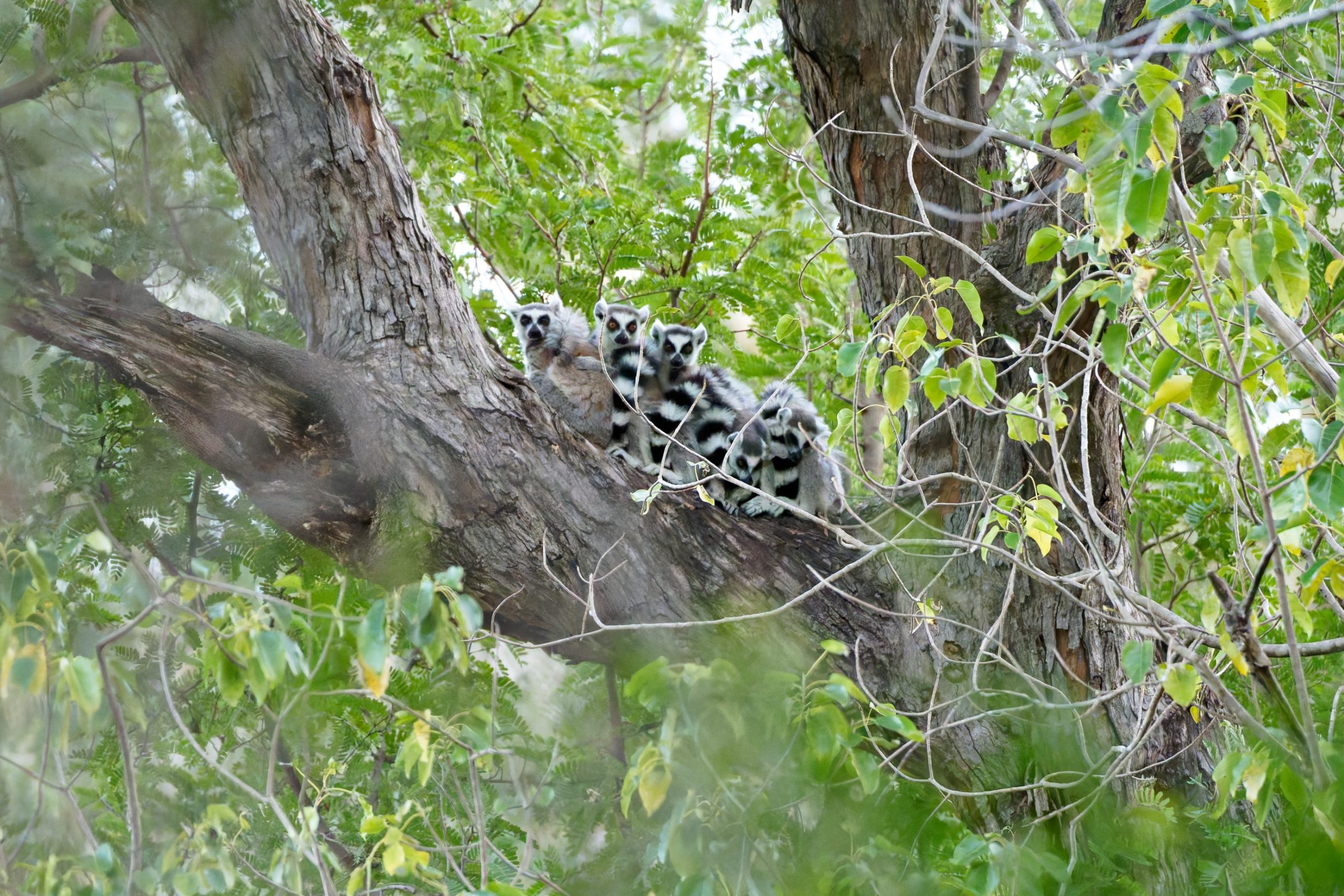
Madagascar’s Lemurs Face Extinction: A Last Stand for Survival
Madagascar, a biodiversity hotspot unlike any other, is facing a silent crisis: the potential extinction of its iconic lemurs. These unique primates, found nowhere else on Earth, are teetering on the brink due to habitat loss, hunting, and the escalating effects of climate change. With nearly all of the 100+ lemur species classified as threatened, urgent action is needed to prevent a catastrophic loss of biodiversity.
The Vanishing Forests: Habitat Loss and Fragmentation
The primary driver of the lemur crisis is deforestation. Madagascar’s once-lush forests are being cleared at an alarming rate for agriculture, logging, and charcoal production. This habitat loss directly impacts lemur populations by reducing their food sources, diminishing their living space, and fragmenting their populations. Isolated lemur groups are more vulnerable to genetic bottlenecks and local extinctions, further accelerating their decline. The story of the Verreaux’s sifaka, a critically endangered species, exemplifies this struggle. Sightings of these lemurs are becoming increasingly rare as their forest homes disappear.
Beyond Habitat: Hunting and Climate Change Add Pressure
While habitat loss remains the most significant threat, other factors are exacerbating the lemurs’ plight. Hunting, often for bushmeat, continues to impact lemur populations, particularly in areas where food security is a challenge. Furthermore, climate change is disrupting Madagascar’s ecosystems, leading to prolonged droughts, unpredictable rainfall patterns, and increased frequency of extreme weather events. These changes can impact lemur food availability, breeding cycles, and overall survival rates.
A Path Forward: Conservation and Community Engagement
The survival of Madagascar’s lemurs hinges on a multi-pronged approach that prioritizes conservation, community engagement, and sustainable development. Effective protected areas, coupled with anti-poaching patrols, are crucial for safeguarding lemur habitats. However, conservation efforts must also address the underlying socio-economic factors that drive deforestation and hunting. Empowering local communities through sustainable livelihood opportunities, such as eco-tourism and sustainable agriculture, is essential for fostering a sense of stewardship and ensuring the long-term survival of lemurs. The future of these remarkable creatures depends on collaborative action and a commitment to protecting Madagascar’s unique natural heritage.
CONCLUSION:
The plight of Madagascar’s lemurs serves as a stark reminder of the interconnectedness of ecosystems and the devastating consequences of habitat destruction. While the challenges are immense, there is still hope. By prioritizing conservation, empowering local communities, and addressing the root causes of environmental degradation, we can work towards securing a future where lemurs thrive in their natural habitat for generations to come. The world must act now to save these unique primates before they disappear forever.
Based on materials: Vox



