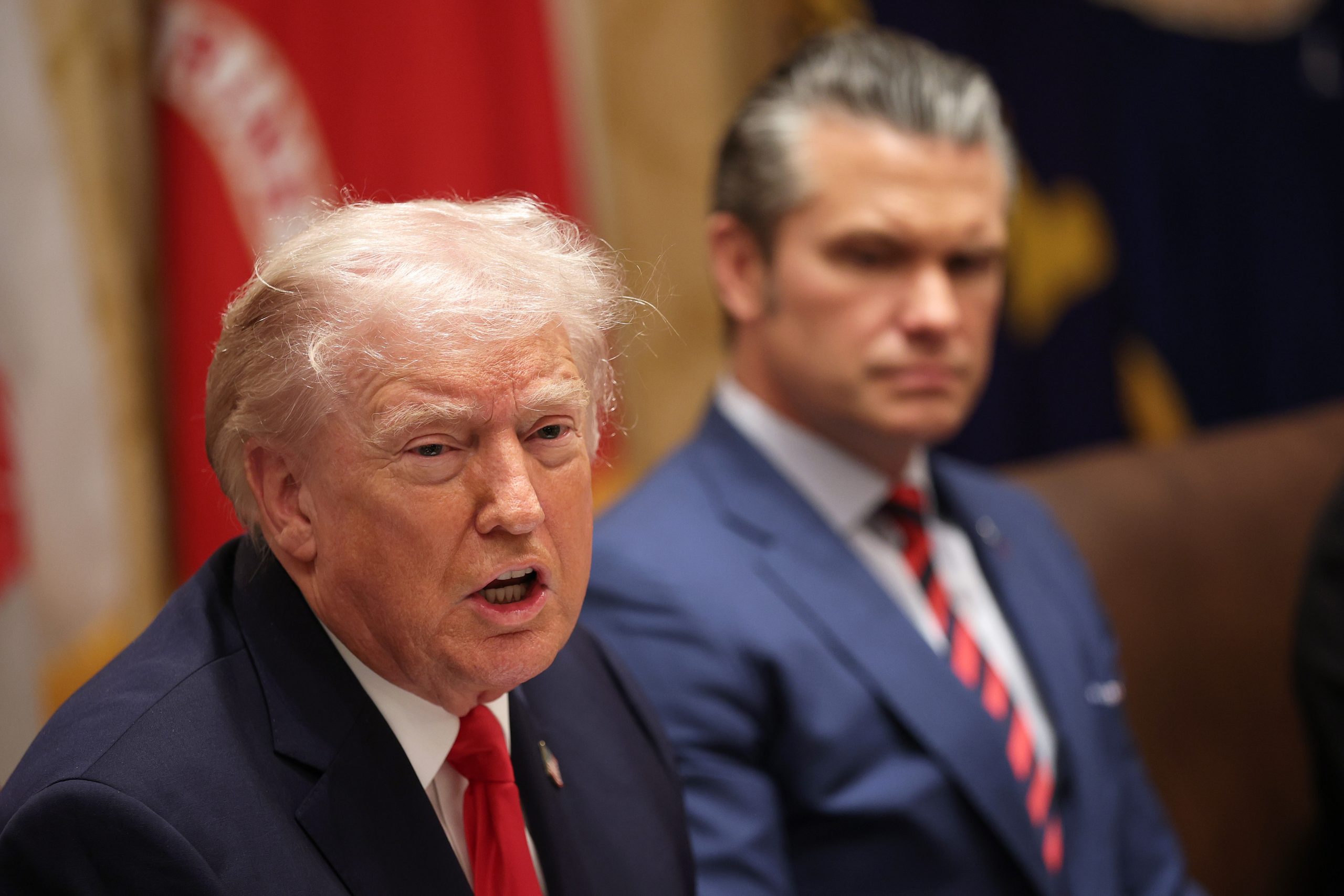
Donald Trump’s presidency has been marked by frequent accusations of authoritarian tendencies. He often seems to revel in this image, whether genuinely or as a form of trolling, famously stating in Davos, “Sometimes you need a dictator!” This penchant for dominating the news cycle with outlandish behavior and transgressions against democratic norms has become a hallmark of his political career. But could this very ego, this insatiable need for attention and power, paradoxically be a safeguard against a true slide into authoritarianism?
The Spectacle of “RETRIBUTION”
Trump’s recent actions, such as the highly publicized immigration operation in Minneapolis, complete with declarations of “RETRIBUTION” and a massive deployment of armed officers, perfectly exemplify his strategy. He craves being the central figure in every narrative, regardless of the context. This approach, while alarming to many, may inadvertently serve as a check on his power. His actions are so visible, so overtly performative, that they galvanize opposition and invite scrutiny.
A Double-Edged Sword
The very nature of Trump’s ego prevents him from operating effectively in the shadows, a crucial element for any successful authoritarian takeover. Authoritarianism thrives on secrecy, manipulation, and the gradual erosion of democratic institutions. Trump, however, prefers the spotlight. His pronouncements, often unfiltered and impulsive, alert the public and the opposition to potential abuses of power. This constant exposure, while disruptive and often damaging, makes it difficult for him to consolidate control in a subtle, insidious manner.
The Limits of Performance
Ultimately, Trump’s “dictator” persona may be just that – a performance. His statements, while inflammatory, are often contradicted by the actions of the institutions around him. The checks and balances, though strained, have largely held. The courts, the media, and even members of his own administration have pushed back against his most extreme impulses. This resistance, fueled in part by the very visibility of his actions, suggests that Trump’s ego, while a source of constant anxiety, might inadvertently be preventing a more profound and lasting erosion of democratic principles. The world is watching, and that scrutiny, even if born from outrage, may be the most effective defense against the very authoritarianism he seems to flirt with.
CONCLUSION:
While Trump’s rhetoric and actions often raise legitimate concerns about the future of democracy, his overwhelming ego and need for attention may ironically be a crucial factor in preventing a true authoritarian shift. His very public pronouncements and actions serve as a constant alarm, mobilizing opposition and inviting scrutiny that makes it difficult for him to consolidate power in the shadows. Whether this is a conscious strategy or simply a byproduct of his personality remains to be seen, but the effect, for now, appears to be a paradoxical safeguard against the very threat he seems to embody.
Based on materials: Vox