
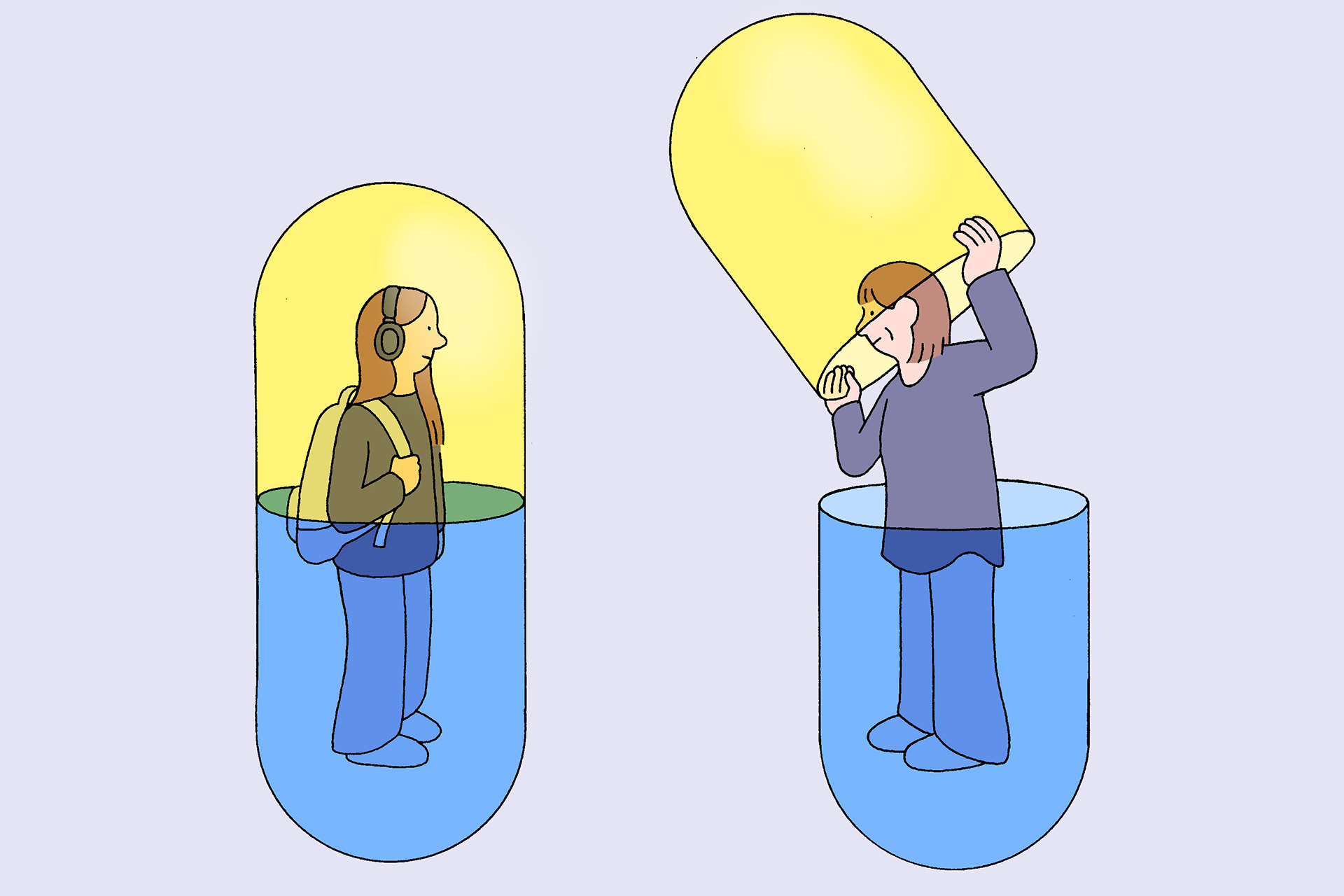
The Antidepressant Dilemma: Balancing Well-being and Identity
For many, antidepressants offer a lifeline, a way to navigate the often-turbulent waters of depression and anxiety. But a nagging question often lingers: what lies beneath the surface, beyond the reach of medication? A recent query posed to Vox’s “Your Mileage May Vary” advice column highlights this very dilemma, probing the complex relationship between mental health, medication, and personal identity. The reader, who has been on and off antidepressants since their late teens, now wonders if the medication is still necessary, given their improved mental state. This raises profound questions about the true efficacy of antidepressants, the potential placebo effect, and, most importantly, the core self.
Uncertain Science, Evolving Selves
The science behind antidepressants remains somewhat opaque. While they demonstrably help many, the exact mechanisms by which they work are still not fully understood. This uncertainty fuels the question of whether the perceived benefits are solely pharmacological or, at least in part, attributable to the placebo effect. Furthermore, individuals evolve over time. The person who began taking antidepressants in their teens is fundamentally different from the adult they are today. Life experiences, personal growth, and altered circumstances can all significantly impact mental well-being. Therefore, the initial need for medication may no longer exist.
Weighing the Risks and Rewards: A Path Forward
The decision to discontinue antidepressant use should never be taken lightly. It requires careful consideration, open communication with a healthcare professional, and a thorough assessment of potential risks and benefits. A gradual tapering off of the medication, under medical supervision, is crucial to minimize withdrawal symptoms and monitor any changes in mood or behavior. Moreover, exploring alternative therapies, such as cognitive behavioral therapy (CBT) or mindfulness practices, can provide valuable coping mechanisms and support during the transition. Ultimately, the goal is to achieve a state of well-being that is both sustainable and authentic, one that aligns with the individual’s values and allows them to fully embrace their true self.
Embracing the Unknown: A Journey of Self-Discovery
The question of “who would I be without antidepressants?” is not just a medical one; it’s a deeply personal and philosophical one. It’s an invitation to embark on a journey of self-discovery, to explore the depths of one’s own psyche and to understand the factors that contribute to mental well-being. Whether the answer lies in continuing medication, finding alternative solutions, or a combination of both, the process of asking the question is itself a valuable step towards a more fulfilling and authentic life. It’s a reminder that mental health is not a static destination, but a dynamic and ever-evolving journey.
Based on materials: Vox



