
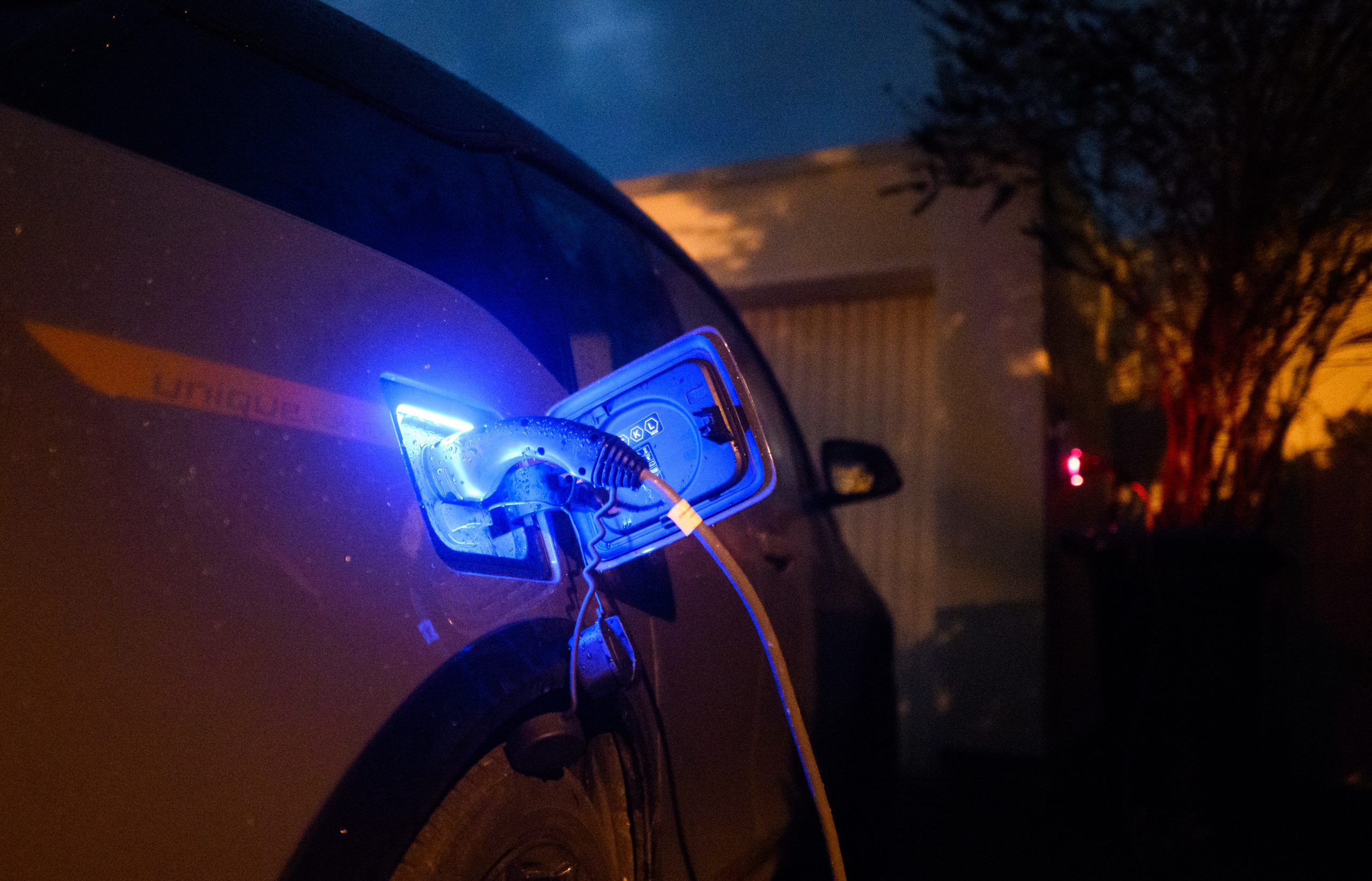
Electric Vehicles: From Grid Strain to Grid Savior?
The rise of electric vehicles (EVs) has been hailed as a crucial step towards a greener future. However, this transition also presents a challenge: the increased demand on the electrical grid. As millions of EVs plug in to charge, particularly during peak hours, the grid faces potential strain. But what if these very EVs could become part of the solution? A growing trend known as vehicle-to-grid (V2G) technology aims to transform EVs from grid burdens into valuable energy resources.
Unlocking the Potential of V2G
V2G technology enables EVs to not only draw power from the grid but also send it back when needed. Imagine a scenario where hundreds or thousands of EVs, plugged in and idle in garages, collectively contribute their battery power to the grid during periods of peak demand. This could alleviate stress on the system, prevent blackouts, and even reduce the need for expensive infrastructure upgrades. The concept is simple: EVs become mobile energy storage units, ready to supplement the grid when traditional power sources are stretched thin. Automakers are increasingly incorporating V2G capabilities into their EV models, paving the way for a future where EVs play a proactive role in grid stability.
Challenges and Opportunities
While the potential of V2G is immense, several challenges remain. One key concern is battery degradation. Repeatedly charging and discharging an EV battery could potentially shorten its lifespan, raising concerns for EV owners. However, advancements in battery technology and sophisticated control systems can mitigate this risk. Another hurdle is the need for standardized V2G protocols and infrastructure. To ensure seamless integration, EVs, charging stations, and grid operators must communicate effectively. Finally, regulatory frameworks and incentives are needed to encourage widespread adoption of V2G technology. Utility companies must develop pricing models that compensate EV owners for contributing power to the grid, making V2G a financially attractive option.
Driving Towards a Sustainable Future
Vehicle-to-grid technology represents a paradigm shift in how we view EVs. Instead of simply being consumers of electricity, they can become active participants in the energy ecosystem. By leveraging the vast energy storage capacity of EV batteries, we can create a more resilient, sustainable, and efficient electrical grid. While challenges remain, the momentum behind V2G is undeniable. As more EVs hit the road and V2G technology matures, we can expect to see EVs playing an increasingly important role in powering our homes, businesses, and communities. The future of energy may very well be parked in our driveways.
Based on materials: Vox



