
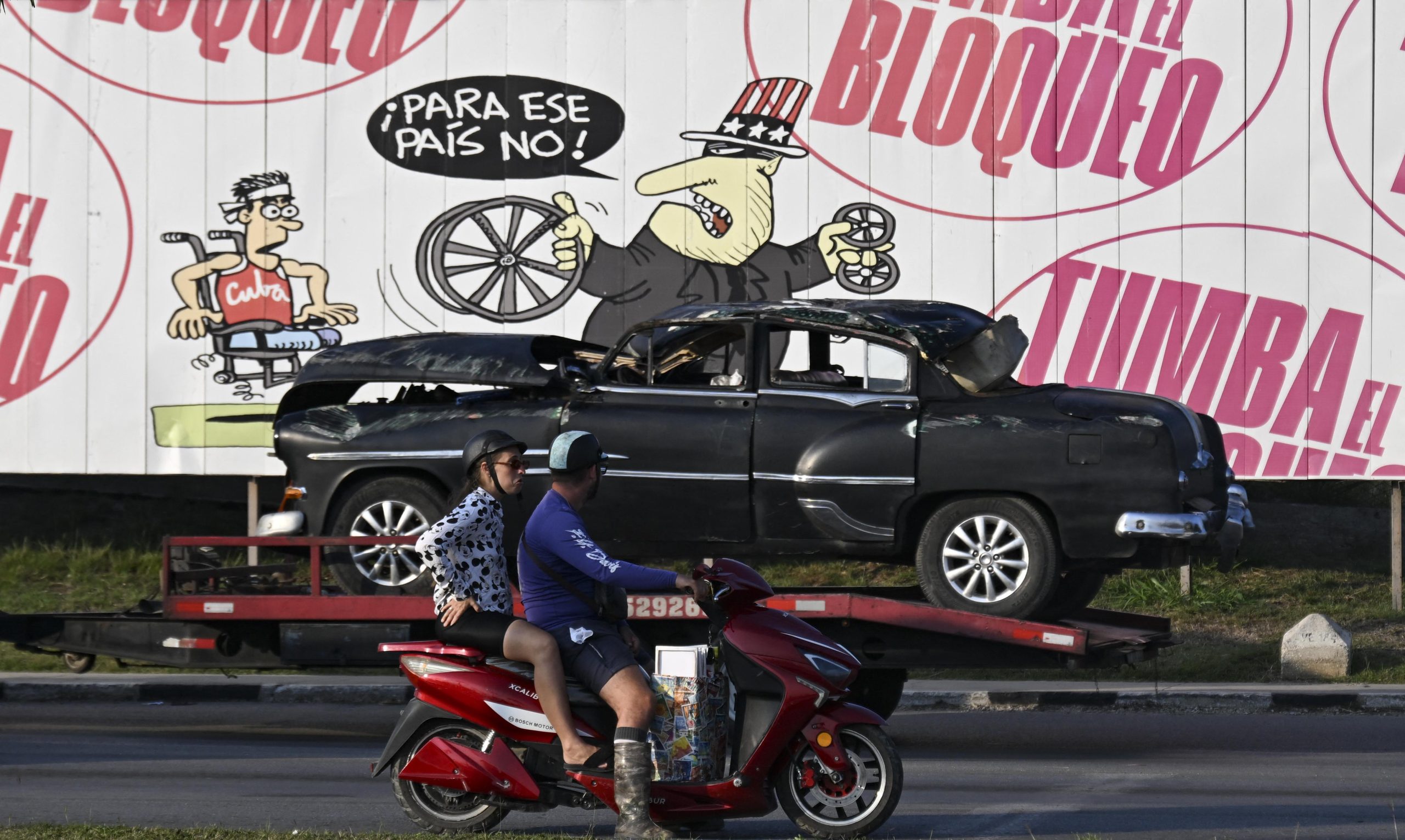
President Donald Trump has repeatedly hinted at potential action against Cuba, sparking concerns about a renewed era of Cold War-style tensions. His recent remarks, including a suggestion to “stop by Cuba” after dealing with Iran, have been interpreted as a signal of a possible shift in U.S. policy towards the island nation. These statements, combined with existing economic pressures, raise questions about the administration’s ultimate intentions.
Maximum Pressure on Havana: Echoes of the Past?
The Trump administration has already intensified its “maximum pressure” campaign against Cuba. In January, following the capture of Venezuelan President Nicolás Maduro, a key ally of Cuba, the U.S. imposed severe restrictions on oil imports to the island. This move exacerbated existing economic difficulties, including widespread blackouts. This aggressive approach, reminiscent of past U.S. strategies towards Cuba, aims to cripple the Cuban economy and potentially destabilize the government.
Military Options on the Table: A Cause for Concern
Adding to the unease, reports indicate that the Pentagon is preparing a range of military options for potential action against Cuba. The specifics of these options remain undisclosed, but the very existence of such plans raises serious concerns about the potential for escalation. Senate Democrats, alarmed by the escalating rhetoric, have sponsored legislation aimed at preventing military action against Cuba, underscoring the growing division within the U.S. government over the future of U.S.-Cuban relations.
Beyond the Rhetoric: What’s Really at Stake?
Trump’s pronouncements on Cuba, while seemingly off-the-cuff, likely serve multiple purposes. They may be intended to appeal to a specific segment of the American electorate, particularly Cuban-Americans who favor a hardline stance against the communist regime. Furthermore, such rhetoric can be used as leverage in broader geopolitical negotiations, signaling a willingness to exert pressure on Cuba to influence its behavior on issues ranging from human rights to its relationship with Venezuela. However, the risk of miscalculation and unintended consequences remains significant. A more aggressive policy toward Cuba could further destabilize the region, potentially triggering a humanitarian crisis and creating new challenges for U.S. foreign policy.
Conclusion: A Precarious Path Forward
The future of U.S.-Cuban relations hangs in the balance. While the Trump administration’s actions may be driven by a combination of domestic political considerations and foreign policy objectives, the potential for escalation and miscalculation is undeniable. A return to Cold War-style hostility would not only be detrimental to the Cuban people but could also undermine U.S. interests in the region. A more nuanced and diplomatic approach is needed to address the complex challenges facing Cuba and to ensure a more stable and prosperous future for the island nation.
Based on materials: Vox



