Beyond Soldiers: Should We Memorialize Civilian War Victims?
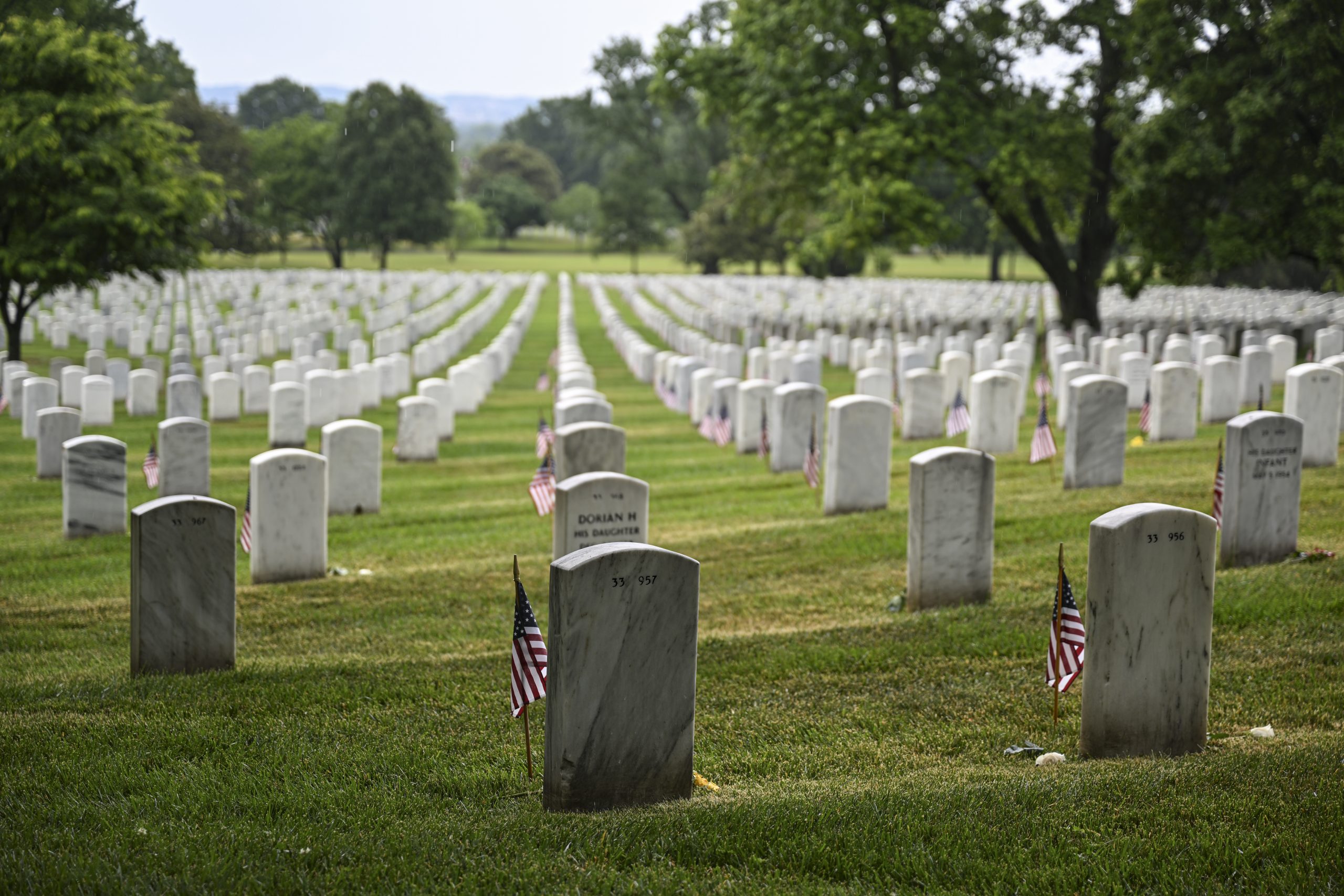
Memorial Day, a solemn occasion etched in the American calendar, is traditionally a time to honor the brave men and women who made the ultimate sacrifice while serving in the armed forces. Its origins lie in the aftermath of the Civil War, a conflict so brutal that it left an unprecedented number of graves needing decoration and remembrance. But as the nature of warfare evolves, and the lines between combatant and civilian blur, a compelling question arises: should we broaden the scope of Memorial Day to include civilian victims of war?
A Day Rooted in Civil War’s Devastation
The genesis of Memorial Day, initially known as Decoration Day, can be traced back to May 30, 1868. A Civil War general, deeply moved by the staggering loss of life, called upon Americans to adorn the graves of Union soldiers with wreaths and flags. The sheer scale of the Civil War’s carnage – over 300,000 Union soldiers and nearly as many Confederates perished – dwarfed the combined casualties of every subsequent US conflict up to the Korean War. This staggering loss solidified the need for a dedicated day of remembrance.
The Shifting Focus: From Remembrance to Celebration
However, as time passed, the solemnity of Decoration Day began to wane. Within a year of its inception, The New York Times voiced concerns that parades and celebratory speeches were overshadowing the core purpose of memorializing the fallen. This shift raises a crucial point: are we truly honoring the sacrifices of war when the focus drifts from quiet reflection to boisterous festivity?
Expanding the Circle of Remembrance
The question of including civilian victims of war in Memorial Day observances is not about diminishing the sacrifices of soldiers. Instead, it’s about acknowledging the devastating impact of modern warfare on civilian populations. In conflicts around the globe, civilians often bear the brunt of violence, displacement, and unimaginable suffering. To ignore their plight is to ignore a significant part of the reality of war.
Including civilian victims would add a deeper layer of complexity and nuance to our understanding of war’s consequences. It would force us to confront the ethical implications of military actions and consider the long-term humanitarian costs. It would also provide an opportunity to express solidarity with those who have suffered the most, regardless of nationality or allegiance.
A Call for Reflection
Memorial Day, in its current form, serves a vital purpose. However, as we reflect on the changing nature of warfare, it is crucial to consider whether our understanding of remembrance needs to evolve as well. Expanding the scope of Memorial Day to include civilian victims of war could be a powerful way to acknowledge the full spectrum of human suffering and to promote a more comprehensive and compassionate understanding of conflict. This is not a call to diminish the honor due to military personnel, but rather to enlarge our capacity for empathy and to recognize the shared humanity that binds us all, even in times of war.
Based on materials: Vox