
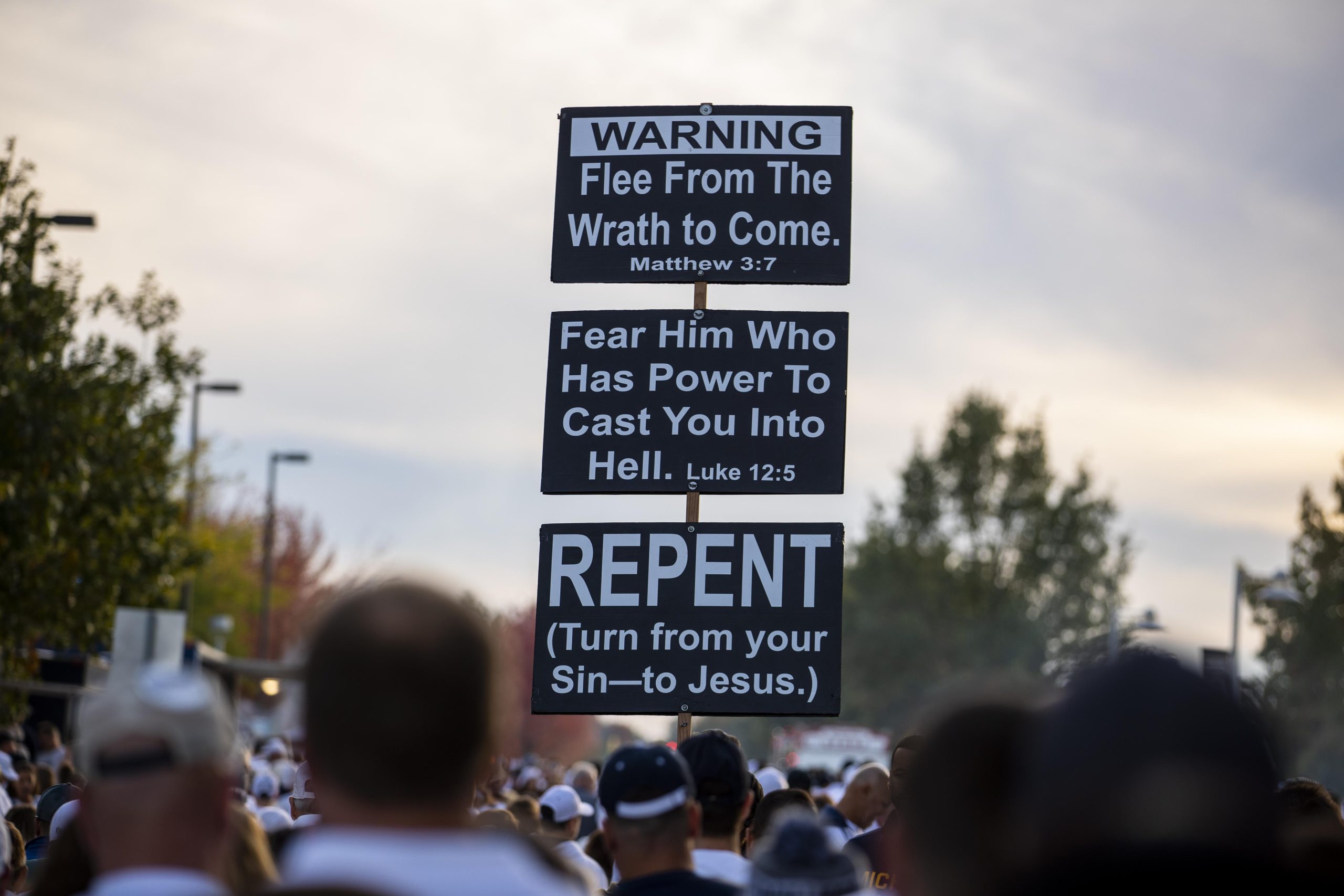
The Antichrist, a figure steeped in religious lore and often relegated to the fringes of theological debate, is experiencing an unlikely resurgence in popular discourse. But this isn’t your grandmother’s Sunday school lesson. In 2026, the specter of the Antichrist is being invoked in surprising corners, fueled by political polarization and the echo chambers of online media.
From Fringe Theories to Mainstream Murmurs
The renewed interest isn’t driven by scholarly analysis of biblical texts. Rather, it’s been stoked by figures on the far-right, who are openly questioning the true nature of former President Donald Trump. High-profile personalities like Marjorie Taylor Greene and Nick Fuentes have flirted with the idea, sparking debate and drawing attention to the concept of the Antichrist. Even Tucker Carlson, during a podcast appearance, queried whether Trump could be something “more than he seems,” further normalizing the discussion.
The AI Messiah and a Tipping Point?
Contributing to the fervor was an AI-generated image posted by Trump himself, depicting him as a messianic figure. While Trump later claimed the image was intended to portray him as a doctor, the damage was done. The image served as fuel for speculation, prompting questions about whether the former president was intentionally playing into messianic tropes or if it was a simple misjudgment. Conservative commentator Rod Dreher, while stopping short of labeling Trump the Antichrist, acknowledged the strange undercurrent of the conversation.
Why Now? A Perfect Storm of Discontent
The spike in Antichrist chatter can be attributed to several converging factors. Firstly, the current political climate is rife with distrust and division, creating fertile ground for conspiracy theories. Secondly, the rise of social media and online platforms has amplified fringe voices, allowing them to reach wider audiences and shape public opinion. Finally, the enduring appeal of apocalyptic narratives taps into deep-seated anxieties about the future, providing a framework for understanding complex events. Whether a genuine expression of religious belief, a cynical political tool, or a reflection of broader societal anxieties, the resurfacing of Antichrist discussions highlights the power of myth and metaphor in shaping our understanding of the world.
SOURCE: Vox
Based on materials: Vox



