
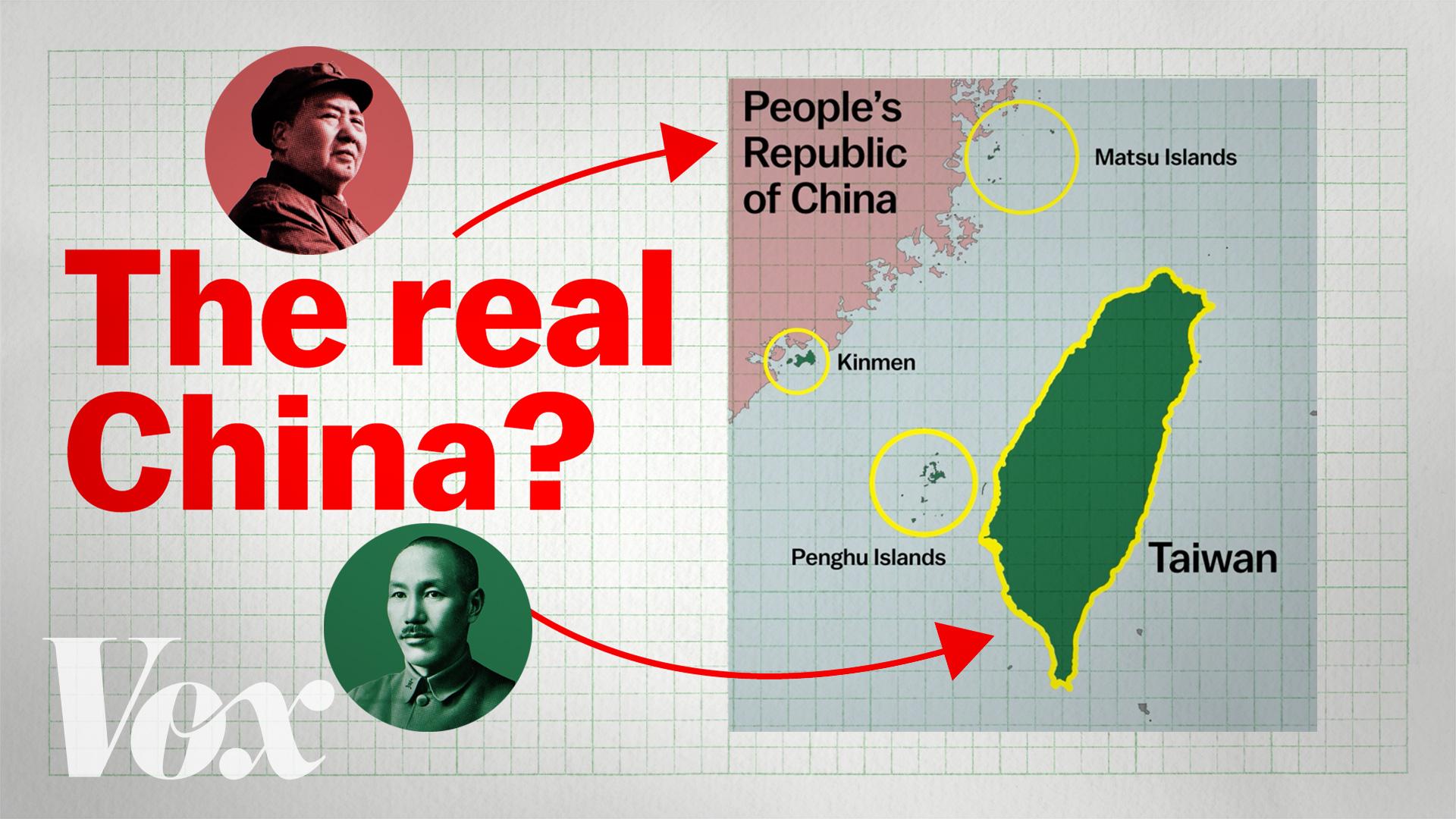
The seemingly simple act of holding a passport can be a profound statement of identity, especially when that identity is contested on the global stage. For decades, the passport of Taiwan, officially the Republic of China, bore a name that didn’t explicitly acknowledge its distinct existence. It simply read “Republic of China,” a legacy of a complex and often fraught history. But as China’s influence grows, can Taiwan maintain its autonomy?
A Passport’s Tale: From “Republic of China” to “Taiwan”
The evolution of Taiwan’s passport mirrors the island’s struggle for self-determination. Initially representing the Republic of China, the passport reflected a time when Taiwan saw itself as the legitimate government of all of China. However, significant geopolitical shifts gradually altered this perception. The Republic of China’s expulsion from the United Nations and President Nixon’s groundbreaking visit to Communist China in 1972 marked pivotal moments. These events signaled a growing international acceptance of the People’s Republic of China (PRC) as the “real” China, forcing Taiwan to re-evaluate its identity.
The addition of the word “Taiwan” to the Republic of China passport in 2003 was a symbolic step toward asserting a distinct Taiwanese identity. This subtle change acknowledged the island’s unique cultural and political landscape, separate from the mainland. The passport became a tangible representation of Taiwan’s desire to be recognized as a distinct entity, despite Beijing’s persistent claims of sovereignty.
Beijing’s Shadow: Autonomy Under Pressure
The concept of “One China” is not merely a geographical question; it is deeply intertwined with history, power dynamics, and the ever-shifting landscape of global alliances. As Beijing’s economic and political clout expands on the world stage, Taiwan faces increasing pressure to accept unification under the “One Country, Two Systems” model, similar to Hong Kong. However, many in Taiwan resist this proposal, fearing the erosion of their democratic values and freedoms.
The United States plays a crucial role in the delicate triangulation between Beijing and Taipei. As Taiwan’s primary weapons supplier, the U.S. provides a deterrent against potential aggression from the mainland. However, the U.S. maintains a policy of “strategic ambiguity,” neither explicitly committing to defend Taiwan nor ruling it out. This delicate balancing act aims to deter China from using force while avoiding a direct confrontation.
The Future of Taiwan: Identity and Independence
The question of whether Taiwan can maintain its autonomy in the face of China’s growing influence remains a central challenge. Taiwan’s passport, once a symbol of a shared Chinese identity, has become a potent emblem of its distinctiveness. As Taiwan navigates its complex relationship with China and the international community, its passport serves as a constant reminder of its ongoing struggle for recognition and self-determination. The future of Taiwan hinges on its ability to preserve its democratic values, strengthen its economy, and maintain its strategic partnerships, all while navigating the ever-present shadow of Beijing.
Based on materials: Vox



