
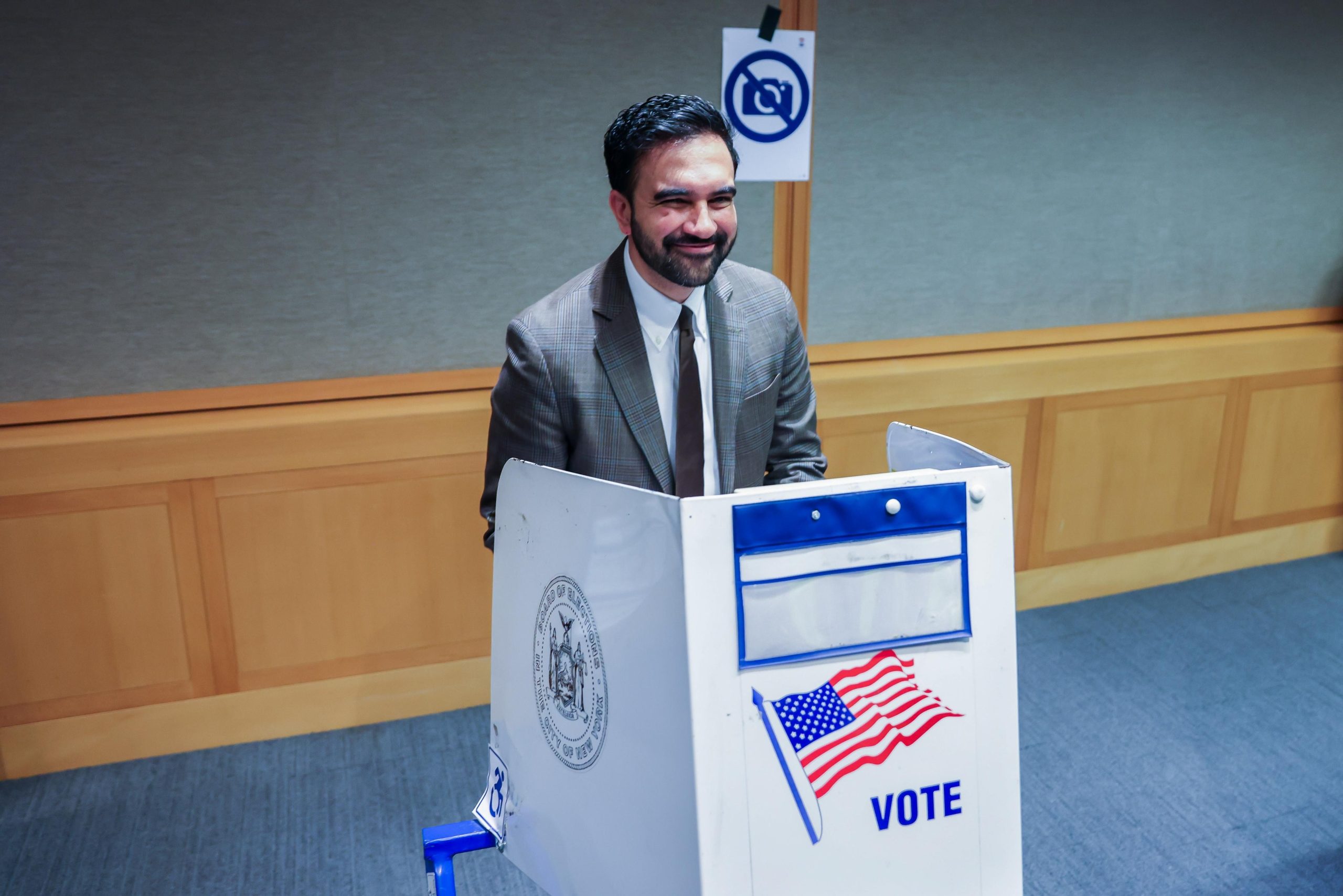
New York City’s political landscape is shifting as progressive voices gain significant traction, evidenced by a series of impressive victories in recent primary elections. Democratic Socialists of America (DSA) members have not only challenged but defeated established Democratic candidates in key congressional and state legislative races, signaling a potent new force in urban politics.
These results build upon the momentum seen last year with Zohran Mamdani’s successful mayoral bid, demonstrating that the appeal of democratic socialism extends beyond a single election cycle and is becoming a tangible force in New York and other major American cities. The victories suggest a growing appetite among urban Democrats for candidates who champion more radical policy platforms, pushing the party further left.
Shifting Tides in the Big Apple
The recent primaries saw two DSA-backed candidates secure congressional nominations, overcoming the traditionally formidable Democratic establishment. Their triumphs, alongside several wins in state legislative contests, underscore a significant shift in voter preferences within the city. This isn’t just about individual candidate success; it reflects a broader ideological movement gaining momentum, challenging long-held political norms and the composition of the Democratic Party’s future leadership. The message from New York’s voters appears clear: they are ready for change and are actively choosing candidates who advocate for systemic reforms.
Beyond New York: A National Trend?
The impact of democratic socialism isn’t confined to New York City. Similar trends are emerging in other urban centers across the nation. In Washington D.C., DSA member Janeese Lewis George recently clinched a decisive victory in the mayoral primary, positioning her to become the district’s next mayor. Meanwhile, in Seattle, Mayor Katie Wilson, who ousted an incumbent last year, has also been a prominent figure associated with progressive policies. These parallel successes suggest a burgeoning national movement, with urban electorates increasingly drawn to candidates who advocate for policies often associated with democratic socialism, such as expanded social programs, robust public services, and greater economic equality.
Implications for the Democratic Party
The rise of democratic socialists within the Democratic Party presents both opportunities and challenges. On one hand, it injects new energy and a more progressive agenda into the party’s platform, potentially mobilizing younger voters and those disillusioned with the status quo. On the other hand, it creates internal friction with more moderate factions of the party, raising questions about ideological alignment and future electoral strategies. As these progressive candidates move closer to holding significant office, their influence on policy debates and the direction of the Democratic Party will undoubtedly grow, marking a pivotal moment in contemporary American politics.
These electoral wins are more than just primary victories; they are indicative of a deeper ideological realignment occurring within urban America. As more progressive candidates secure nominations and potential victories in general elections, the conversation around the future of the Democratic Party and its policy agenda is set to become even more dynamic.
Based on materials: Vox



