
New York’s recent congressional primaries were poised to be a watershed moment for the burgeoning influence of the Artificial Intelligence industry in American politics. A formidable $100 million super PAC, “Leading the Future” (LTF), backed by prominent tech investors, had thrown its considerable weight behind candidates championing an “AI agenda.” However, the results painted a picture far from the decisive victory the AI proponents had envisioned, leaving a landscape of uncertainty and sparking renewed debate about the efficacy of their substantial political spending against a growing anti-AI sentiment.
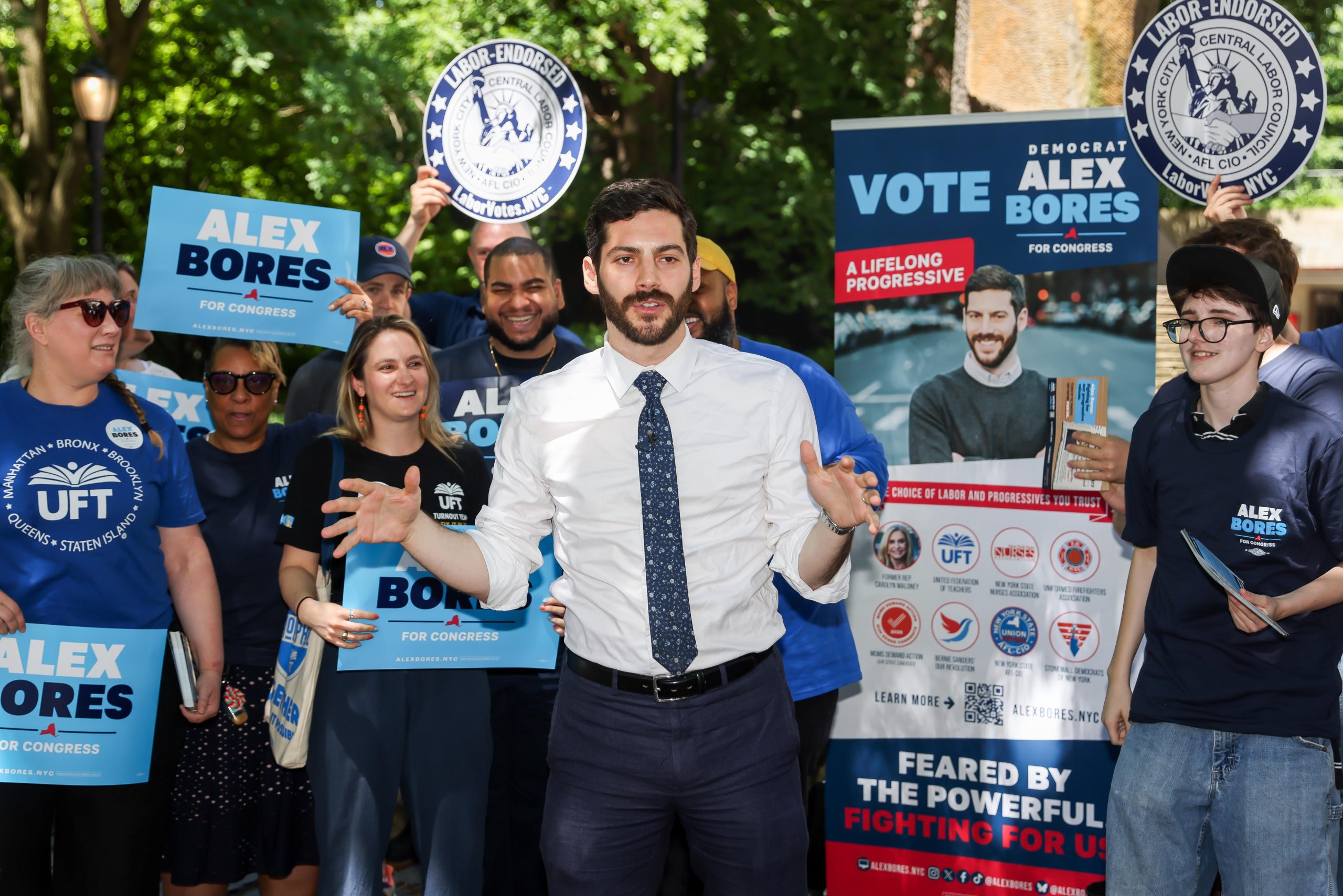
The focal point of this high-stakes political gambit was Assembly member Alex Bores, a vocal proponent of AI safety regulations in New York. Bores had been instrumental in spearheading the Empire State’s “RAISE Act,” a piece of legislation that mandated stringent safety protocols for developers of advanced AI models, with the threat of significant fines for non-compliance. LTF, in a strategic move to counter such regulatory efforts, identified Bores as their primary target, pouring resources into his race. Their aim was clear: to elect candidates who would champion the AI industry’s interests and to oust those perceived as obstacles.
A Disappointing Debut for AI’s Political Ambitions
Despite LTF’s significant financial backing and strategic targeting, the outcome for their chosen candidate, Alex Bores, was a stark disappointment. Bores ultimately lost his bid to represent New York’s 12th Congressional District. This unexpected defeat for a candidate directly opposed by a powerful AI advocacy group raises critical questions about the actual influence of such spending on electoral outcomes. While the super PAC demonstrated a willingness to invest heavily, their debut campaign failed to secure a victory, suggesting that financial firepower alone may not be enough to sway voters or overcome existing political dynamics. The race’s outcome has thus shifted from a definitive AI win to a muddy stalemate, leaving the industry to reassess its political strategy.
The Growing Anti-AI Backlash and its Electoral Impact
The results of the New York primaries also underscore the growing public and political apprehension surrounding AI. The “RAISE Act” that Bores championed is a clear indicator of a developing trend: a desire for greater oversight and regulation of AI development and deployment. This legislative push reflects genuine concerns about potential risks associated with advanced AI, including job displacement, ethical dilemmas, and security vulnerabilities. The fact that LTF’s efforts to unseat a proponent of such regulations failed to yield a victory suggests that this anti-AI sentiment, or at least a cautious approach to the technology, may be resonating with voters more than the AI industry anticipated. This burgeoning backlash could prove to be a significant hurdle for an industry seeking to expand its influence, forcing a reevaluation of how it engages with the political process.
Looking Ahead: A War Yet to Be Won
While the AI industry may have “won a race” by mobilizing significant resources and demonstrating its intent to engage in electoral politics, it appears to have “lost the war” for widespread political acceptance in this instance. The New York primaries have served as a crucial, albeit sobering, lesson. The considerable investment by LTF did not translate into the desired electoral success, highlighting the complex interplay of money, public opinion, and established political landscapes. As the AI industry continues to grow and its societal impact becomes more pronounced, its ability to navigate the political arena will be increasingly vital. This initial setback, however, suggests that simply pouring money into campaigns may not be a sufficient strategy. The industry will likely need to foster a deeper understanding and address public concerns more effectively if it is to achieve its long-term political objectives. The path forward will undoubtedly involve a more nuanced approach, one that acknowledges and potentially mitigates the growing unease surrounding this transformative technology.
Based on materials: Vox



