
Alabama, a state often recognized for its vibrant culture and Southern charm, is quietly emerging as an unlikely epicenter of a global crisis: species extinction. Far from the dramatic landscapes of rainforests or coral reefs, the most vulnerable creatures are often found in the most unassuming places – even roadside ditches.
A Ditch of Despair, a Haven for the Rare
During a sweltering June afternoon near Birmingham, the scene was starkly ordinary. A stretch of land, nestled between a bustling four-lane highway and a faith-based recreation center, served as a seemingly unremarkable ditch. Yet, within its cool, flowing water, amidst scattered trash, lay a startling secret: a population of highly endangered fish. This juxtaposition of the mundane and the critically imperiled underscores the unique challenges faced by conservationists in the region.
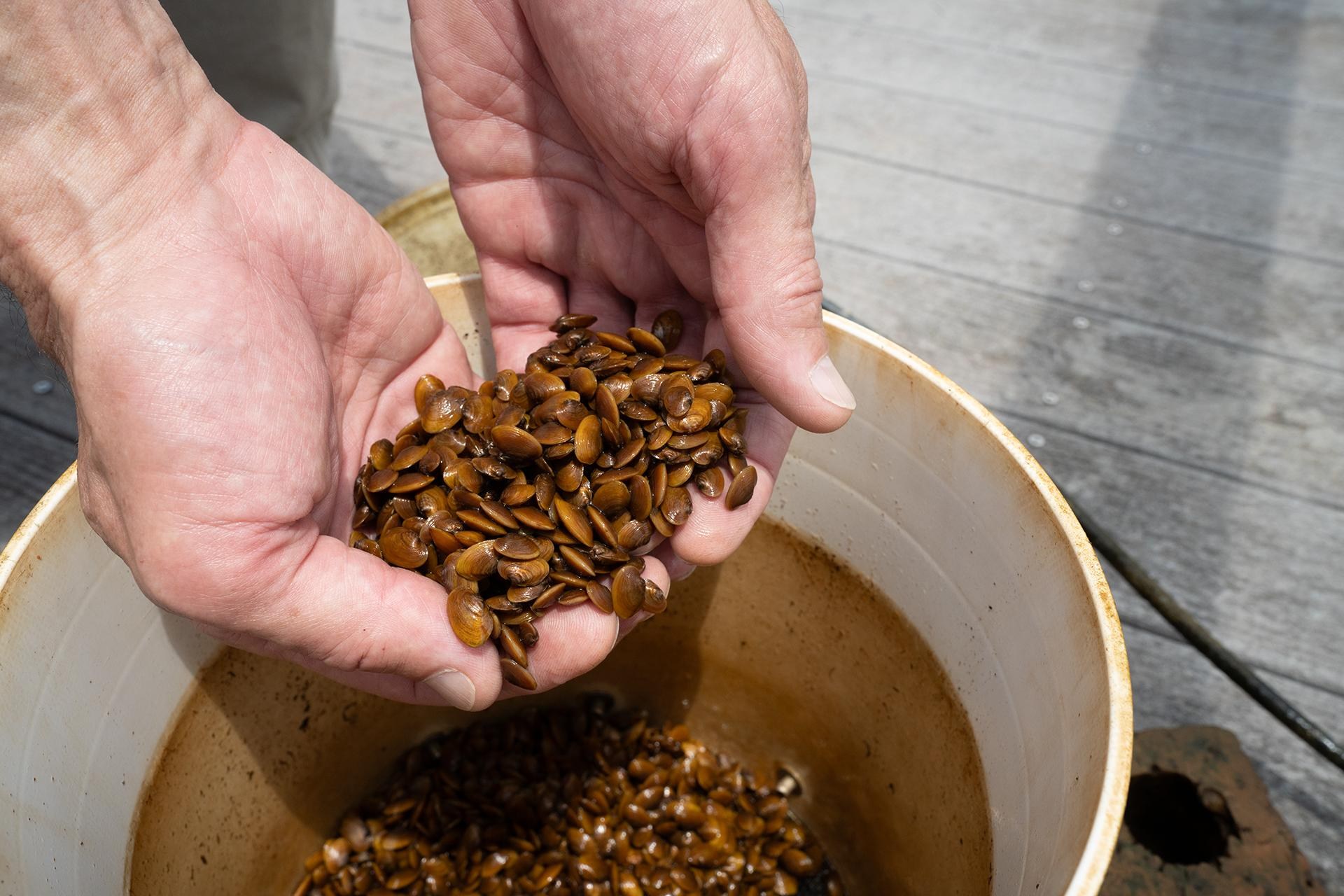
Biologists from the U.S. Fish and Wildlife Service, like Jeffrey Drummond, are meticulously surveying these often-overlooked aquatic environments. Their work involves employing nets to capture small aquatic life, sifting through debris to find specimens that are no larger than a pinky finger. While many of the creatures captured might be common – salamanders, crayfish – the true focus lies on the rare, the vulnerable, and the critically endangered species that call these waters home. The pale lilliput mussel, for instance, is a prime example of the delicate biodiversity that is at risk.
Beyond the Obvious: The Unseen Threat to Biodiversity
The significance of Alabama’s aquatic ecosystems extends far beyond individual species. The state boasts an astonishing level of freshwater biodiversity, harboring more fish and mussel species than any other in North America. This rich tapestry of life, however, is under severe threat from a multitude of factors. Habitat destruction, pollution from agricultural runoff and urban development, and the introduction of invasive species are all contributing to the decline of these fragile populations.
The presence of endangered species in such common, even degraded, habitats highlights a critical conservation challenge. It suggests that traditional conservation efforts, often focused on pristine wilderness areas, may be insufficient. Protecting these unique ecosystems requires a broader, more inclusive approach that acknowledges the ecological importance of even seemingly insignificant waterways. The work being done in Alabama serves as a crucial reminder that extinction is not a distant threat; it is a present reality that demands immediate attention, even in our own backyards.
A Call to Action for Local Ecosystems
The ongoing research and conservation efforts in Alabama are more than just scientific endeavors; they are a stark warning and a call to action. The fate of these critically endangered species hinges on a deeper understanding of their habitats and a concerted effort to mitigate the threats they face. As these small, often unseen creatures struggle for survival in the shadow of human activity, their plight serves as a powerful testament to the interconnectedness of all life and the urgent need to protect the biodiversity that enriches our planet. The unexpected extinction hotspot in Alabama compels us to re-evaluate our relationship with the natural world and to recognize the vital importance of even the most humble of ecosystems.
Based on materials: Vox



